Shandong Fengtu IOT Technology Co., Ltd
Sales Manager:Ms. Emily Wang
Cel,Whatsapp,Wechat:+86 15898932201
Email:info@fengtutec.com
Add:No. 155 Optoelectronic Industry Accelerator, Gaoxin District, Weifang, Shandong, China


Sales Manager:Ms. Emily Wang
Cel,Whatsapp,Wechat:+86 15898932201
Email:info@fengtutec.com
Add:No. 155 Optoelectronic Industry Accelerator, Gaoxin District, Weifang, Shandong, China
time:2025-05-30 09:54:50 source:Weather Station viewed:496 time
The casing material of micro weather sensors significantly affects their performance and service life. Currently, ASA and ABS are common choices for micro weather sensor enclosures:
ASA Material: Offers excellent weather resistance, effectively blocking UV rays to prevent fading and aging during long-term outdoor use. It also provides good impact resistance.
ABS Material: Features strong impact resistance and corrosion resistance, capable of withstanding harsh weather and acid rain, thus reducing maintenance costs.
However, both materials have limitations. Compared to metal, ASA and ABS are less structurally robust. In extreme environments with strong winds or high impact forces, they cannot effectively protect internal precision components, compromising the sensor’s stability and measurement accuracy.
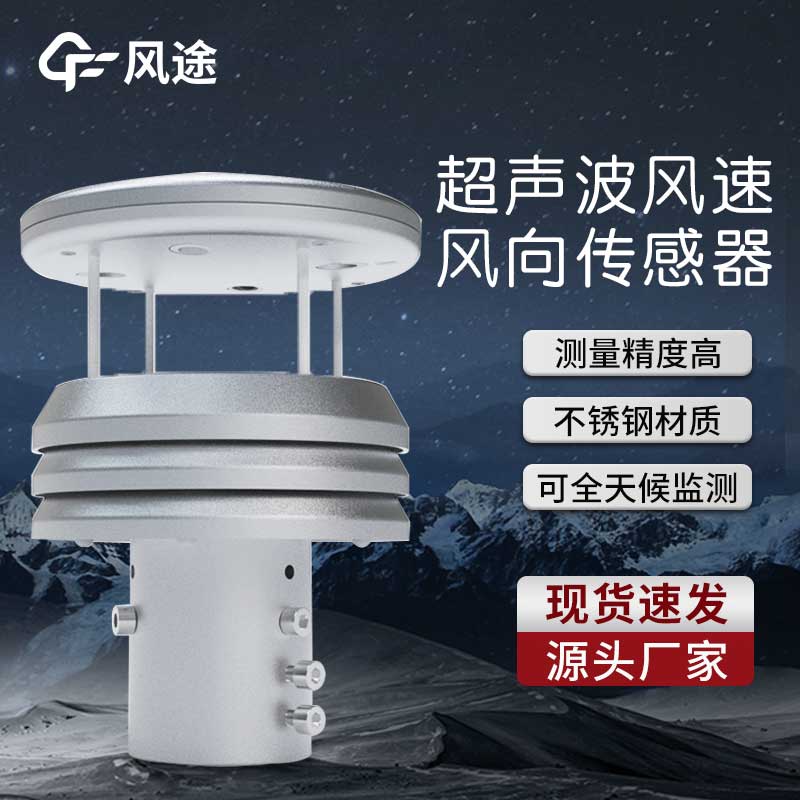
To address this, Fengtu has launched micro weather sensors with stainless steel casings. Stainless steel is highly durable and flexible, adapting to complex outdoor environments. With strong oxidation resistance, it ensures long-term stable operation in harsh conditions like high temperatures and humidity, and is impervious to chemical corrosion and atmospheric erosion.
Fengtu’s Stainless Steel Micro Weather Sensors:
FT-Y1S Metal Piezoelectric Rain Gauge: Uses a PVDF piezoelectric film as the rain-sensing component, identifying raindrop signals via AI neural networks for strong anti-interference capability, high measurement accuracy, and a wide range. The stainless steel casing enhances structural strength and corrosion resistance.
FT-WQX2S: Features an integrated stainless steel design with self-developed sensing technology, eliminating limitations on wind speed and angle. Multiple ultrasonic probes ensure real-time, high-efficiency data measurement, offering advantages like high precision, low power consumption, and calibration-free operation.
FT-WQX5S: With a protection rating of IP67 or higher, this compact sensor includes a watchdog circuit and automatic reset function, ensuring stable operation and precise measurement in harsh environments.
FT-Y6S: An IoT-integrated device with a miniaturized design to save space, it combines multiple monitoring functions. The stainless steel casing makes it suitable for harsh working conditions.
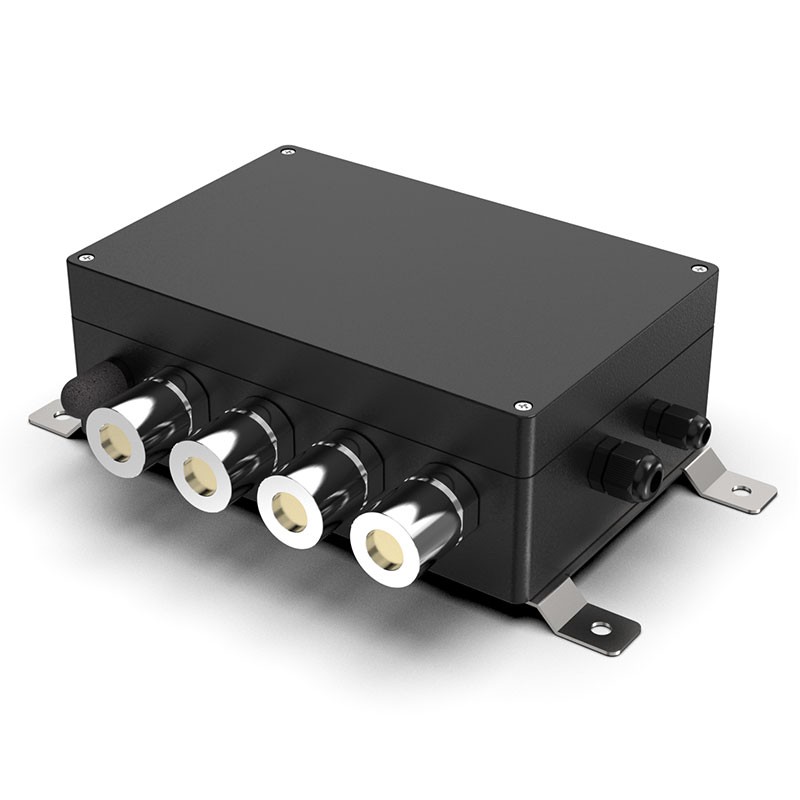
In the realm of tunnel operation management, ensuring driving safety and air quality is of paramount importance. The Tunnel Visibility Detector, as a specialized monitoring device, provides robust support for tunnel safety by accurately measuring carbon monoxide (CO) and visibility (VI).Poor v...
Soil moisture sensors utilize the Frequency Domain Reflectometry (FDR) principle, achieving an accuracy range of ±2% to ±3%. Certain models support the simultaneous measurement of soil temperature, moisture, and electrical conductivity across multiple soil profile layers, making them suitabl...
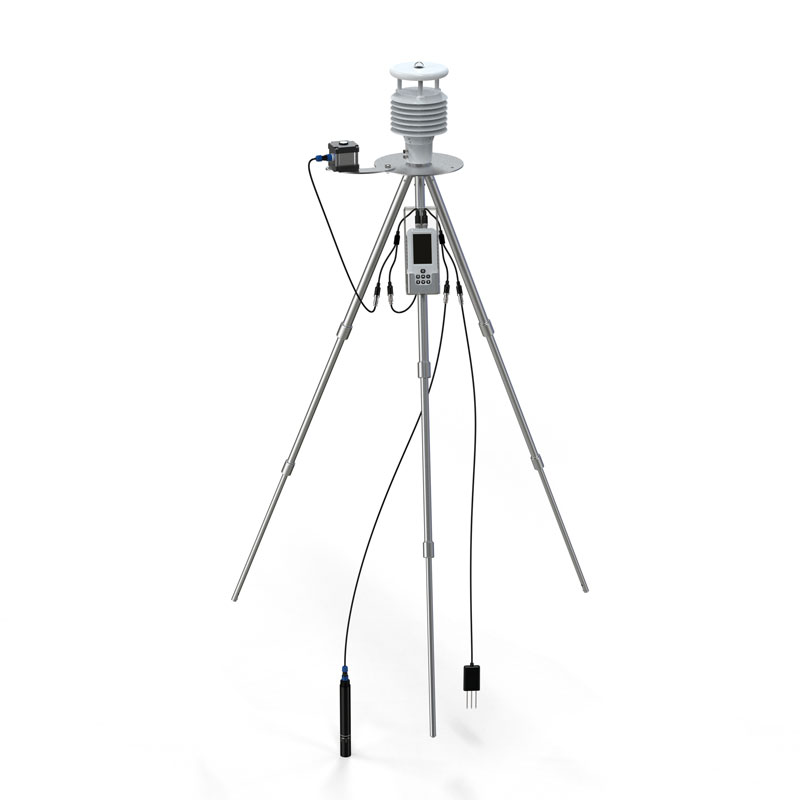
In scenarios such as emergency rescue and outdoor operations, there is a need to accurately grasp meteorological data, which requires the use of a Small Handheld Portable Weather Station. This is a practical tool. It integrates monitoring functions for 11 core meteorological elements, meeting data n...
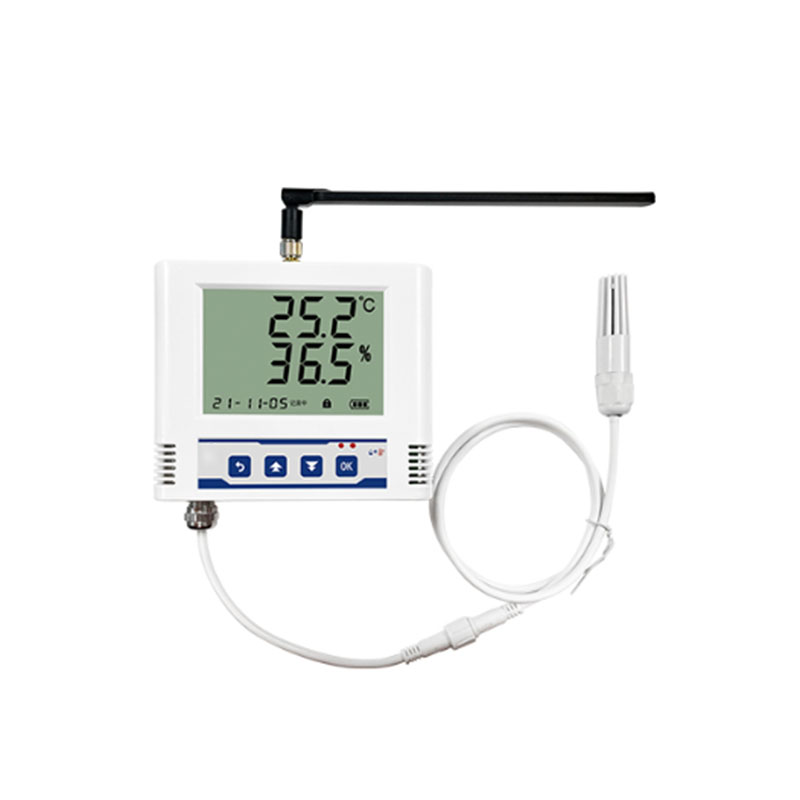
Under the conditions of sufficient water vapor, gentle breezes, and a relatively stable atmosphere, once the air close to the ground cools down to a certain degree, the water vapor in it will condense into extremely tiny water droplets. These small droplets will then suspend in the air one after ano...


 Skype
Skype
 whatsapp
 mail
mail