Shandong Fengtu IOT Technology Co., Ltd
Sales Manager:Ms. Emily Wang
Cel,Whatsapp,Wechat:+86 15898932201
Email:info@fengtutec.com
Add:No. 155 Optoelectronic Industry Accelerator, Gaoxin District, Weifang, Shandong, China


Sales Manager:Ms. Emily Wang
Cel,Whatsapp,Wechat:+86 15898932201
Email:info@fengtutec.com
Add:No. 155 Optoelectronic Industry Accelerator, Gaoxin District, Weifang, Shandong, China
time:2024-12-25 08:56:01 source:Weather Station viewed:614 time
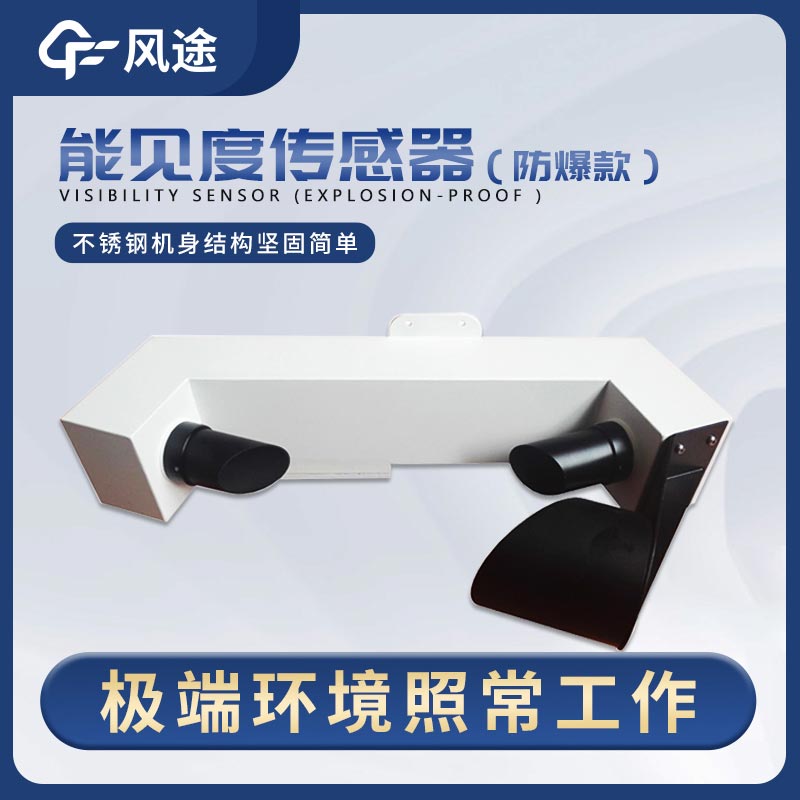
The Atmospheric Visibility Sensor launched by Fengtu has extensive measurement capabilities. It can select different measurement distances of 10 kilometers, 50 kilometers or 80 kilometers according to user requirements, and also provides customized services.
This instrument adopts infrared LED light sources and special filtering techniques, which effectively reduces the interference of external light sources on measurement results and improves the measurement accuracy.
In terms of structure, the Atmospheric Visibility Sensor is designed with a high protection level. The probe part is made of corrosion-resistant aluminum alloy materials, ensuring stable working performance even in harsh environments. The device supports multiple data transmission methods such as Wi-Fi and Ethernet, facilitating the uploading of measurement data to cloud platforms for analysis and storage. It has a reserved 485 data output port that can be connected to outdoor or indoor LED display screens to display monitoring data in real time. With a user-friendly interface designed with visual programming languages, it is convenient to achieve remote environmental monitoring and management. Moreover, alarm thresholds can be set as needed, and alarms can be sent via text messages and other means.
This Atmospheric Visibility Sensor can not only continuously monitor atmospheric visibility but also identify and measure precipitation types and amounts. It is a multi-functional integrated sensor.
In terms of technical parameters, the device can measure visibility ranging from 10 meters to 30 kilometers and can be extended to a longer distance according to requirements. The measurement accuracy varies in different ranges. For example, it is within +2% in the range of 10 meters to 2 kilometers, within +5% in the range of 10 meters to 10 kilometers, and within ±10% when it exceeds 10 kilometers. The device can also be optionally equipped with a weather phenomenon module to identify different precipitation types and states, including drizzle, light rain, moderate rain, heavy rain, as well as rain, snow, and mist.
The Atmospheric Visibility Sensor has a wide range of applications, mainly serving industries such as highways, ships, drilling platforms, waterways, ports, wind power generation and automatic weather stations. It is designed to be sturdy and durable, with stable and reliable operation, low energy consumption and simple maintenance. It is suitable for being powered by a DC 12-30V direct current power supply. The optical lenses are also equipped with an automatic heating control module to ensure normal operation even in extremely cold environments.
In an airport's operational system, visibility is one of the factors affecting aviation safety and efficiency. The installation of airport Visibility Sensors is precisely to monitor this critical meteorological data accurately and in real time, providing a scientific basis for aviation activitie...
For a long time, agricultural production has largely relied on experience and the observation of the weather. When it comes to sowing, irrigation and dealing with extreme weather conditions, decisions often depend on traditional wisdom passed down orally. Nowadays, agricultural meteorological statio...
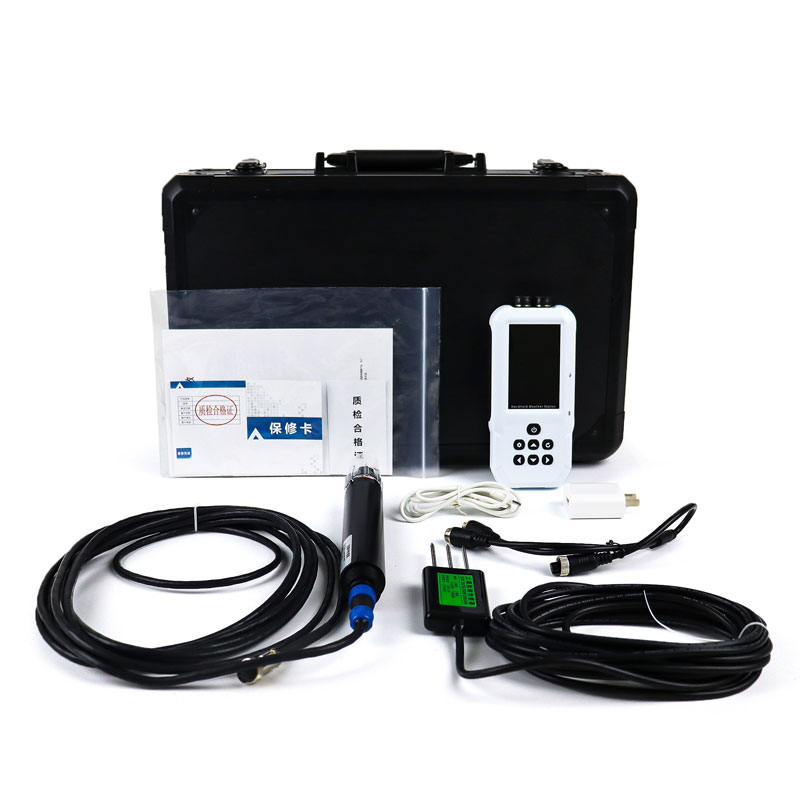
A Portable Weather Station is a highly integrated, easy-to-carry, and rapidly deployable automated meteorological observation device. It can provide real-time, accurate local meteorological data in areas not covered by traditional fixed weather stations, serving as a "take-anywhere" mini w...
An Automatic Farmland Weather Station is an agricultural management system based on information technology. It continuously collects environmental data from agricultural production sites and provides decision support for production management through data analysis.The system uses a sensor network to...



 Skype
Skype
 whatsapp
 mail
mail