Shandong Fengtu IOT Technology Co., Ltd
Sales Manager:Ms. Emily Wang
Cel,Whatsapp,Wechat:+86 15898932201
Email:info@fengtutec.com
Add:No. 155 Optoelectronic Industry Accelerator, Gaoxin District, Weifang, Shandong, China


Sales Manager:Ms. Emily Wang
Cel,Whatsapp,Wechat:+86 15898932201
Email:info@fengtutec.com
Add:No. 155 Optoelectronic Industry Accelerator, Gaoxin District, Weifang, Shandong, China
time:2025-02-26 09:16:38 source:Weather Station viewed:540 time
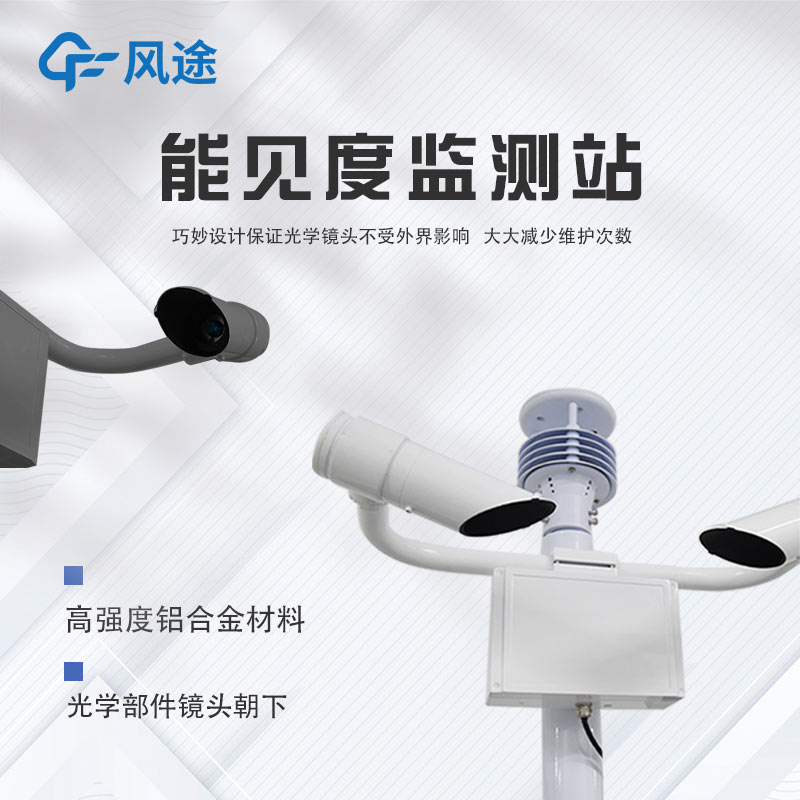
The Visibility detector is an intelligent meteorological monitoring device, mainly used for real-time monitoring of low visibility meteorological conditions, and is widely applied in fields such as transportation, meteorology, and environmental monitoring. This system, through the front-end visibility monitoring module, combined with advanced sensor technology, collects atmospheric visibility data in real time. When it detects that the visibility is lower than the preset safety threshold, the system will automatically conduct data analysis and send the alarm information to the remote command center through the data transmission module. The on-duty personnel can receive the alarm information through the command center platform or mobile devices. After confirming the accuracy of the information, they will quickly initiate corresponding speed limit or warning measures to ensure traffic safety. Once the meteorological conditions return to normal, the system will automatically restore the original designed speed limit of the road to ensure smooth traffic.
Working principle:
This system uses the scattering principle for visibility monitoring. The sensor measures the scattering intensity of light in the atmosphere by emitting infrared light or laser, and thus calculates the visibility. When the visibility is lower than the set safety threshold, the system will automatically trigger the alarm mechanism and send the alarm information to the remote command center so that timely countermeasures can be taken.
The Visibility detector mainly consists of the following three core parts:
Front-end monitoring equipment - including visibility sensors, meteorological sensors, etc., which are used to monitor key meteorological parameters such as atmospheric visibility, wind speed, wind direction, temperature, and humidity in real time.
Data transmission module - using wireless communication technologies (such as 4G, 5G) to transmit the data collected by the front-end equipment to the remote command center in real time, ensuring the timeliness and accuracy of the information.
Remote command center - responsible for receiving, processing, and analyzing the transmitted data, and issuing early warnings or control instructions according to the visibility conditions to achieve dynamic management of traffic speed limits.
Agricultural meteorological stations is a device used for real-time monitoring of meteorological parameters in the farmland environment, including air temperature, humidity, soil moisture, soil temperature, wind speed, wind direction, rainfall, and light intensity. It features data acquisition, wireless transmission, automatic storage, threshold alarming, and data analysis functions, supporting agricultural management, pest and disease forecasting, and scientific research and teaching....
With the arrival of the rainy season, natural disasters such as heavy rainstorms and floods occur from time to time, posing a serious threat to people's lives and property. In the game against natural disasters, accurate rainfall monitoring is one of the key links, which can provide important or...
The Visibility Sensor is a specialized sensor device designed for automatic and continuous monitoring of atmospheric visibility, playing a vital role in fields such as meteorological observation and environmental monitoring. Its core working mechanism is based on the principle of forward scattering....
Visibility, defined as the maximum horizontal distance at which a normal-sighted person can distinguish a target from its background, is a critical parameter in meteorology, transportation, environmental protection, and national defense.Early visibility measurements mainly relied on visual observati...


 Skype
Skype
 whatsapp
 mail
mail