Shandong Fengtu IOT Technology Co., Ltd
Sales Manager:Ms. Emily Wang
Cel,Whatsapp,Wechat:+86 15898932201
Email:info@fengtutec.com
Add:No. 155 Optoelectronic Industry Accelerator, Gaoxin District, Weifang, Shandong, China


Sales Manager:Ms. Emily Wang
Cel,Whatsapp,Wechat:+86 15898932201
Email:info@fengtutec.com
Add:No. 155 Optoelectronic Industry Accelerator, Gaoxin District, Weifang, Shandong, China
time:2025-06-10 09:00:43 source:Weather Station viewed:511 time
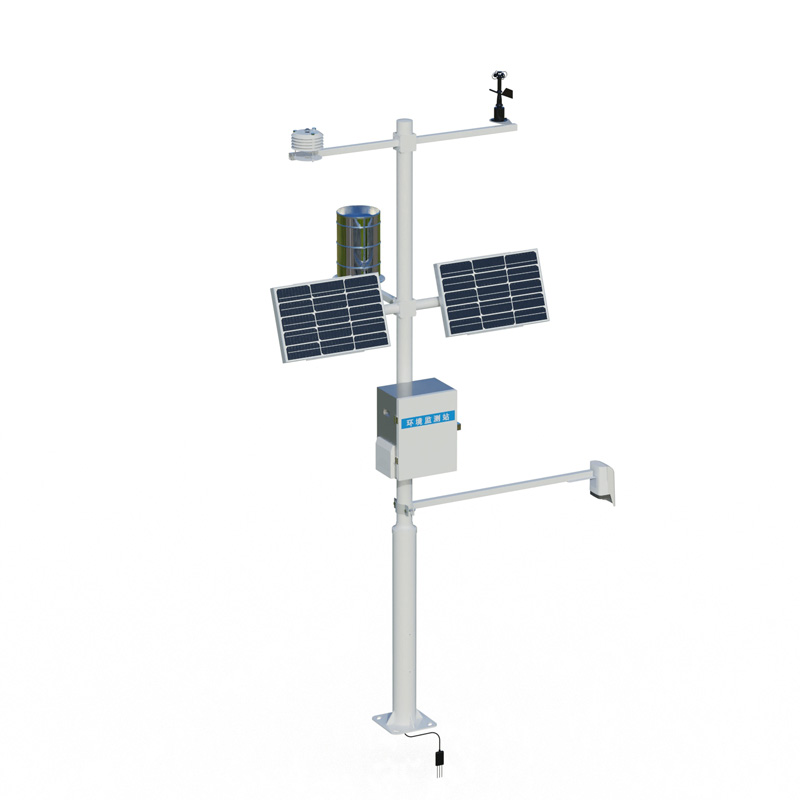
In modern society, the Weather Station Monitoring System is of great importance. It is a comprehensive system integrating multiple technologies and devices, capable of real-time and accurate monitoring and analysis of various meteorological elements and related environmental parameters in the atmospheric environment.
The Weather Station Monitoring System can conduct real-time monitoring of multiple meteorological elements. For example, it can accurately measure basic meteorological indicators such as air temperature, air pressure, and humidity. Through sensors distributed in different regions, these data can be quickly collected and transmitted to the monitoring center. Monitoring of wind speed and direction is equally indispensable, as it is directly significant for understanding atmospheric movement and predicting weather changes. Precipitation monitoring is also a key component, where all forms of precipitation, including rainfall, snowfall, and others, can be accurately recorded, providing data support for water resource management and other fields.
In terms of environmental monitoring, the Weather Station Monitoring System also has wide-ranging applications. It can monitor the concentration of air pollutants such as sulfur dioxide, nitrogen oxides, and particulate matter. This enables relevant departments to promptly grasp the air quality status and take corresponding measures to address pollution incidents. The system can also monitor ultraviolet (UV) intensity, which serves as a reference for people's daily lives and the safety assessment of outdoor activities.
The data obtained by the Weather Station Monitoring System, after analysis and processing, can provide a strong basis for meteorological forecasting. Meteorological departments can use these data to produce weather forecasts, allowing people to prepare in advance for various weather conditions, such as extreme weather events like rainstorms, strong winds, and high temperatures. In the agricultural sector, it provides meteorological and environmental information for crop planting, pest control, and other activities, helping farmers reasonably arrange agricultural operations. In urban planning and construction, the system also provides relevant meteorological and environmental reference data to assist in creating a more livable urban environment.
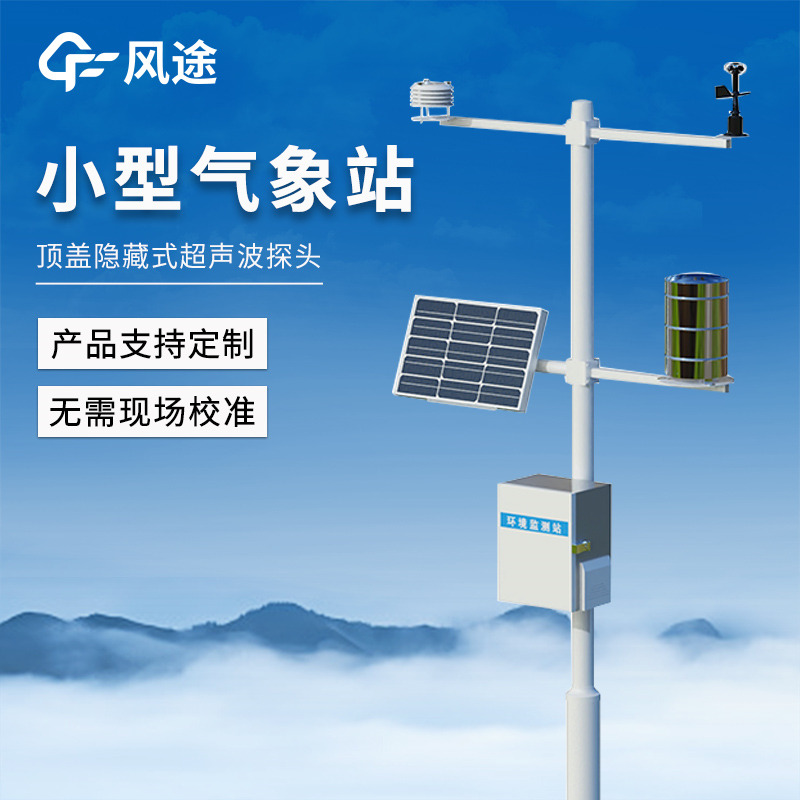
Rodent infestation has long been a major problem plaguing farmland. According to relevant statistical data, since the 1980s, the annual area affected by farmland rodent infestation in some regions has accounted for 20%-30% of the total area of food crops. The rodent density is generally 10%-20%, and...
The Agricultural Environment Monitoring System system consists of five parts: weather sensors, data collector, solar power system, mounting pole, and cloud platform. It can comprehensively monitor key meteorological elements such as temperature, humidity, wind speed, and light intensity, build...
The Integrated IoT Data Acquisition System for Agricultural Microclimates consists of five key components: meteorological sensors, a data collector, a solar power supply system, a pole-mounted bracket, and a cloud platform. It provides real-time monitoring of parameters such as air temperature...
The six elements in Weather Instruments usually refer to air temperature, humidity, air pressure, wind speed, wind direction, and rainfall amount. The air temperature reflects the degree of hotness or coldness of the air and has a significant impact on agricultural production, human comfort, etc. Hu...



 Skype
Skype
 whatsapp
 mail
mail