Shandong Fengtu IOT Technology Co., Ltd
Sales Manager:Ms. Emily Wang
Cel,Whatsapp,Wechat:+86 15898932201
Email:info@fengtutec.com
Add:No. 155 Optoelectronic Industry Accelerator, Gaoxin District, Weifang, Shandong, China


Sales Manager:Ms. Emily Wang
Cel,Whatsapp,Wechat:+86 15898932201
Email:info@fengtutec.com
Add:No. 155 Optoelectronic Industry Accelerator, Gaoxin District, Weifang, Shandong, China
time:2026-02-04 10:53:03 source:Weather Station viewed:415 time
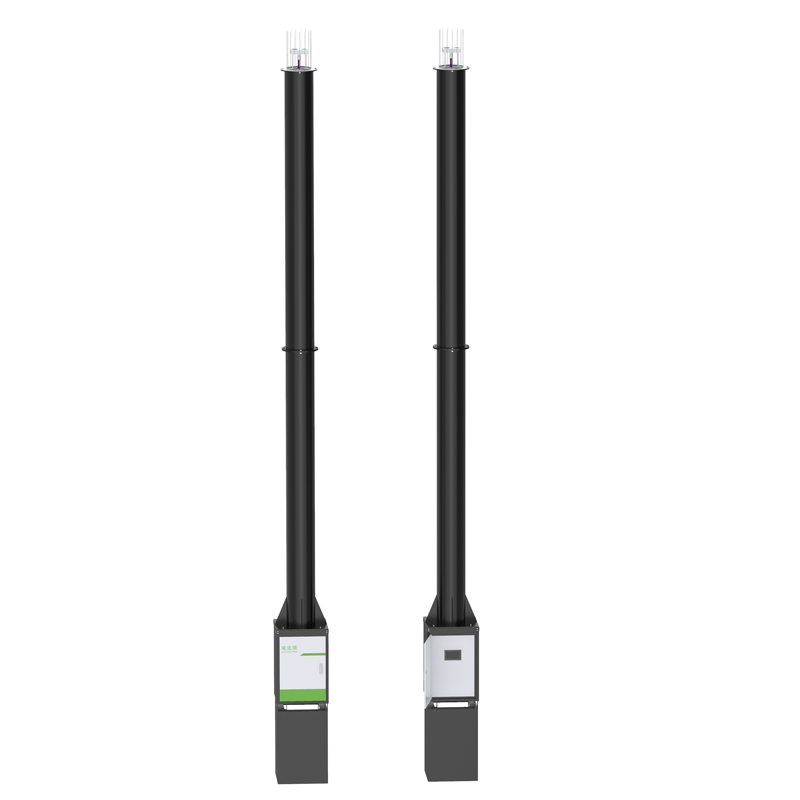
insect suction trap is an automated monitoring device that collects small migratory insects such as aphids from the air using a suction device. This device is used for long-term monitoring of pest spatio-temporal dynamics, serving pest warning and ecological research in agriculture and forestry.
insect suction trap is a large-scale plant protection monitoring device integrating image recognition and remote transmission functions. It is specifically designed for long-term, automatic monitoring of the population dynamics and spatio-temporal distribution patterns of small migratory insects such as aphids. Its core function is to continuously monitor migratory insect populations, providing basic data for pest warning and ecological research in agriculture, forestry, and other fields.
The device operates based on aerodynamic principles. A powerful suction device is installed at the top of the tower, creating a stable upward airflow during operation. Small insects flying over the tower are drawn into the tower by the airflow. The insects then enter a sample collection bottle or sample separation device below. Some advanced models integrate an image acquisition unit during the collection process, allowing for real-time photography and preliminary classification of the captured insects. The sample collection bottles can be replaced periodically according to a preset schedule, or linked with an automatic sorting device to achieve sequential sample preservation.
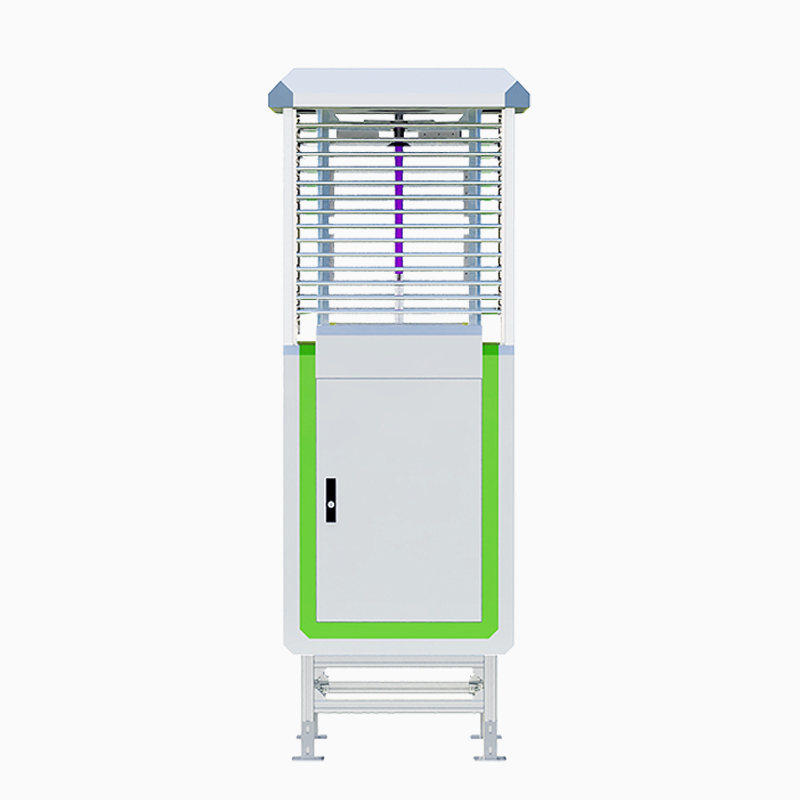
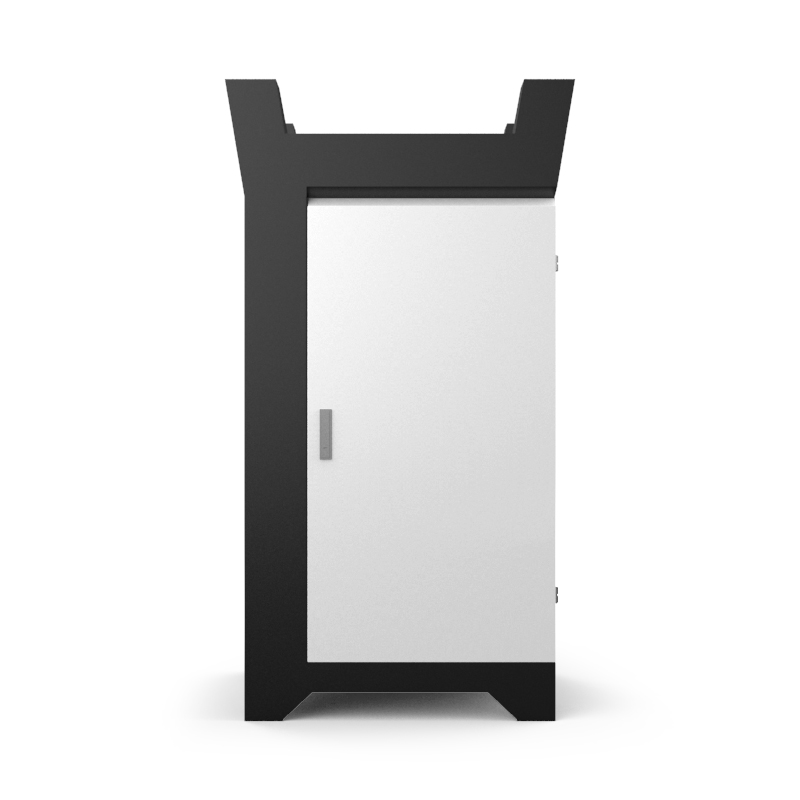
A standard insect suction trap typically consists of a tower structure, a power suction system, a sample collection unit, an image acquisition module, an intelligent control box, and an Internet of Things (IoT) transmission system. The tower height is usually more than three meters to expand its suction monitoring range. The power system provides stable suction. The intelligent control box coordinates the device's working sequence and manages power supply. The IoT transmission module is responsible for uploading device status information, capture count data, and on-site images to a remote cloud platform in real time.
The device has a wide range of applications. In agricultural production, it is deployed in large areas of farmland to monitor the arrival time, population density, and diffusion direction of migratory pests such as aphids, leafhoppers, and planthoppers, providing early warning for pest control decisions. In forestry and grassland ecological management, the insect suction tower is used to study the migration patterns of forest pests and assess the insect diversity of ecosystems. In horticultural economic crop areas, such as tea plantations, orchards, and medicinal plant bases, it is also used to monitor the occurrence dynamics of key pests. In addition, this device is also applied to pest monitoring in urban green spaces, insect monitoring at plant quarantine ports, and related research on insect ecology and population dynamics in universities and research institutions.
The Internet of Things (IoT) functionality is key to its efficient monitoring. The device uploads captured data to a central server in real time via a wireless network. Researchers or plant protection personnel can remotely view real-time insect data, historical trend curves, and on-site conditions for each monitoring point through a web page or mobile application. The platform can summarize and analyze data from multiple sites, generating insect distribution maps and visualizing regional pest occurrence dynamics.
The technical advantage of insect suction trap lies in its automation and continuity. It can achieve long-term continuous operation without human intervention, overcoming the limitations of manual surveys, such as high labor intensity, poor timeliness, and inconsistent standards. The captured sample sequences provide long-term localized observation data for studying scientific problems such as insect population responses to climate change and predicting pest migration paths. This device has become an important infrastructure in modern smart agricultural plant protection systems and ecological monitoring networks.
Low-visibility weather conditions such as fog, haze, precipitation, and sandstorms not only cause great inconvenience to travel but also frequently trigger major accidents, leading to severe casualties and economic losses. However, the existing Doppler weather radars in meteorological and environmen...
Anemometer for drones is a device installed on unmanned aerial vehicles (UAVs) and is used to measure wind speed and wind direction. It can flexibly and efficiently collect atmospheric data in specific areas or at specific altitudes, and is applicable to fields such as meteorological research, envir...
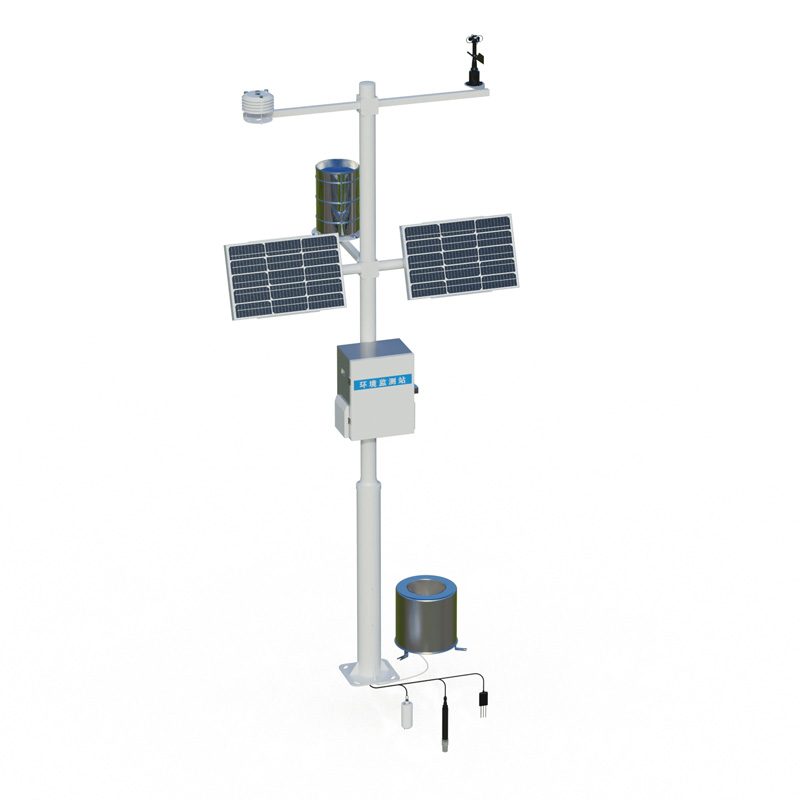
Agricultural Weather Stations accurately senses meteorological and soil data, providing intelligent early warnings to guide agricultural activities and offering scientific decision-making support for modern farming....
The system consists of a tubular soil moisture monitor, pest monitoring lamps, a weather station, video surveillance, and a spore trapping device. It uploads soil, weather, pest, and seedling growth images to a cloud platform via a 4G network, enabling real-time dynamic monitoring and online d...


 Skype
Skype
 whatsapp
 mail
mail