Shandong Fengtu IOT Technology Co., Ltd
Sales Manager:Ms. Emily Wang
Cel,Whatsapp,Wechat:+86 15898932201
Email:info@fengtutec.com
Add:No. 155 Optoelectronic Industry Accelerator, Gaoxin District, Weifang, Shandong, China


Sales Manager:Ms. Emily Wang
Cel,Whatsapp,Wechat:+86 15898932201
Email:info@fengtutec.com
Add:No. 155 Optoelectronic Industry Accelerator, Gaoxin District, Weifang, Shandong, China
time:2026-02-05 10:15:24 source:Weather Station viewed:418 time
The electric field monitor system features an electric field measurement range of -100 kV/m to 100 kV/m, with a resolution of 0.1 V/m, enabling real-time monitoring and comprehensive perception of lightning activity in large oil and gas storage bases and surrounding areas. Through multi-technology integration and intelligent algorithms, it anticipates risks and triggers proximity warnings, achieving a shift from passive protection to proactive warning.
electric field monitor is a safety monitoring device specifically designed for large oil and gas storage bases. The core function of this system is real-time monitoring and precise warning of lightning activity within and around the protected area. Its fundamental purpose is to achieve a shift from traditional passive lightning protection to a modern proactive warning safety management model.
The system is primarily based on the principle of atmospheric electric field monitoring. High-sensitivity electric field sensors continuously measure changes in spatial electric field strength. The electric field measurement range typically covers -100 kV/m to 100 kV/m, with a resolution of 0.1 V/m, enabling it to sensitively capture subtle changes in the atmospheric electric field during thunderstorm formation and approach. These real-time electric field data are fundamental parameters for determining the charge state of thunderclouds and assessing local lightning strike risk.
In addition to core electric field monitoring, modern electric field monitor systems often employ a multi-technology integration strategy. It may integrate lightning location network data, weather radar information, and local weather station data. By combining multi-source information with real-time electric field data and using intelligent algorithms for comprehensive analysis, the system can more comprehensively perceive the lightning activity situation, effectively distinguish between local lightning strike risk and distant lightning activity, thereby reducing false alarms and improving warning accuracy.
In practical applications, the system deploys several atmospheric electric field monitoring stations around the perimeter and in key areas of the oil depot, forming a monitoring network. The system control platform centrally processes and intelligently analyzes the network data. Once the analysis results indicate that thunderclouds are forming or approaching, and the rate of change in electric field strength exceeds the safety threshold, the system will automatically trigger graded warnings based on preset risk levels. Warning information can be pushed to oil depot safety management personnel in real time through various methods, such as audible and visual alarms, control room screens, text messages, or dedicated software platforms.
This proactive warning capability provides a critical time window for safe production at the oil depot. Upon receiving a warning, managers can implement a series of preventive safety measures in accordance with the emergency plan. These measures include, but are not limited to: suspending oil loading and unloading operations, stopping oil and gas emissions, organizing the evacuation of non-essential personnel from open-air hazardous areas, and checking the status of emergency equipment. The implementation of these measures can significantly reduce the safety risks associated with operations during lightning activity and prevent fires and explosions caused by lightning strikes.
Therefore, electric field monitor is not just a simple monitoring device, but an important part of the oil depot's safety production management system. Through high-precision electric field measurement, multi-source data fusion, and intelligent analysis, it transforms the uncontrollable threat of lightning into a manageable and controllable risk process, significantly improving the inherent safety level and emergency response capabilities of the oil depot during thunderstorms, and providing reliable technical support for the continuous safe operation of oil and gas storage facilities.
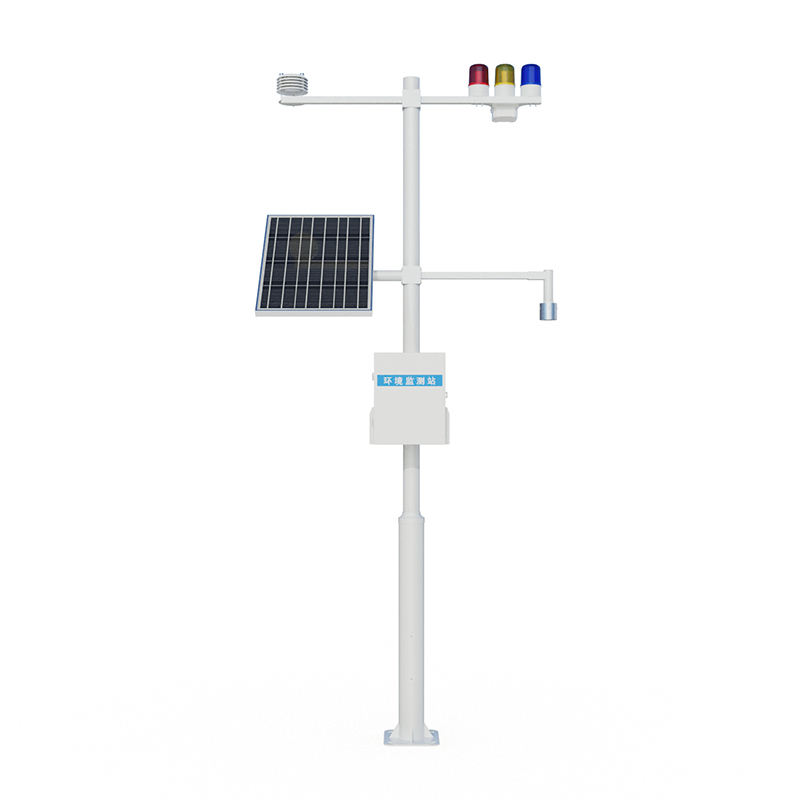
The Atmospheric electric field meter is a scientific instrument specifically designed to measure atmospheric electric field strength and its variations. Its measurement range covers -100 kV/m to 100 kV/m. This device provides early warning of lightning activity by monitoring changes in the atmospheric electric field in real time. It has significant application value in aerospace, national defense, smart grids, petrochemicals, and meteorological observation, providing data support for disaster prevention and safe production....
The negative oxygen ion monitoring system is a monitoring station that automatically collects air cleanliness index data in tourist scenic spots and ecological parks (such as artificial wetlands, ecological scenic spots, botanical gardens, etc.). ).Monitor the negative oxygen ions, temperature, humidity, PM2.5 and other environmental quality parameters in scenic spots....
The Portable Visibility Detector is an atmospheric visibility monitoring device system that can be flexibly moved and is convenient to carry. Its working principle is mainly based on the optical scattering principle, and the visibility is calculated by measuring the optical properties of the atmosph...
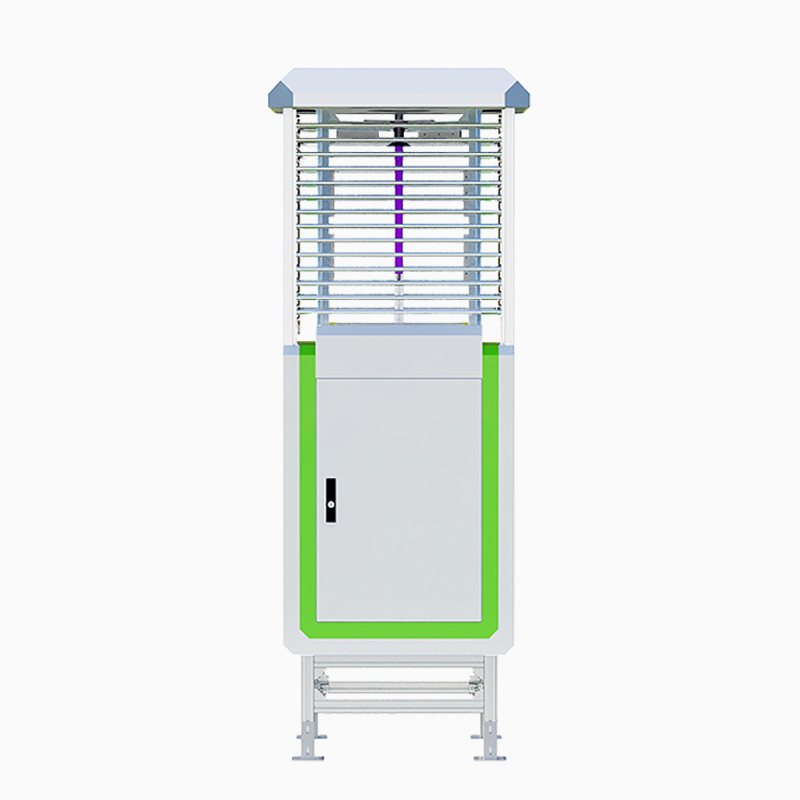
This lamp uses a light source with wavelengths from 320nm to 680nm to attract pests. A fan then draws the insects into the collection box using negative pressure airflow, causing them to dry and dehydrate. It is solar-powered and operates normally even in rainy weather. A single lamp can cover...


 Skype
 whatsapp
 mail