Shandong Fengtu IOT Technology Co., Ltd
Sales Manager:Ms. Emily Wang
Cel,Whatsapp,Wechat:+86 15898932201
Email:info@fengtutec.com
Add:No. 155 Optoelectronic Industry Accelerator, Gaoxin District, Weifang, Shandong, China


Sales Manager:Ms. Emily Wang
Cel,Whatsapp,Wechat:+86 15898932201
Email:info@fengtutec.com
Add:No. 155 Optoelectronic Industry Accelerator, Gaoxin District, Weifang, Shandong, China
time:2025-11-26 10:36:04 source:Weather Station viewed:462 time
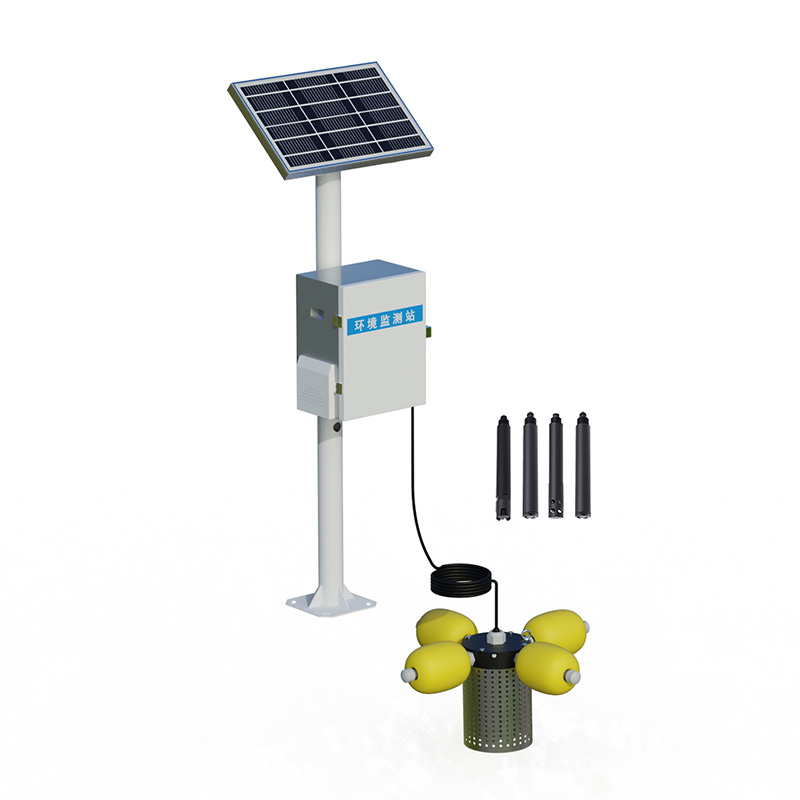
Agricultural Environment Monitoring System is a facility specifically designed for monitoring elements such as water, soil, and fertilizers in agricultural environments. It provides long-term dynamic monitoring of heavy metals, nutrient content, and pesticide residues, offering data support for agricultural environmental protection and remediation.
Agricultural Environment Monitoring System is a technical facility specifically used for agricultural ecological environment monitoring. This monitoring station primarily conducts systematic testing of elements such as water bodies, soil, and fertilizers in the agricultural environment, analyzing their physicochemical properties, heavy metal content, nutrient status, and pesticide residue levels. Simultaneously, the monitoring station also possesses the capability for continuous monitoring of farmland meteorological elements, providing multi-dimensional data support for a comprehensive assessment of the agricultural ecological environment.
In practical implementation, the monitoring station regularly collects soil, water, and atmospheric samples through a network of sensors and sampling points deployed in the farmland area. Laboratory analysis includes measuring the heavy metal content in the soil, such as lead, cadmium, and mercury; analyzing nutrient indicators such as nitrogen, phosphorus, and potassium; and detecting the concentration of pesticide residues such as organophosphates and organochlorines. This monitoring data is used to assess the environmental quality of agricultural production areas and identify potential pollution risks.
Another important function of Agricultural Environment Monitoring System is to conduct dynamic monitoring and evaluation of the agricultural environment. By establishing a long-term monitoring mechanism, agricultural environmental elements in the same area are regularly tracked and observed, recording the changing trends of various indicators. This dynamic monitoring helps to understand the extent of the impact of agricultural activities on the environment and to promptly detect abnormal fluctuations in environmental quality. Based on the monitoring data, technical personnel can compile agricultural environmental quality assessment reports, providing a scientific basis for optimizing agricultural production layout.
In terms of monitoring technology, modern Agricultural Environment Monitoring System adopts a working model combining automated monitoring equipment and manual sampling and testing. Automatic weather stations continuously record meteorological parameters such as temperature, precipitation, and humidity; soil monitoring probes real-time monitor soil temperature, humidity, and pH changes; and water quality monitoring equipment conducts online monitoring of the water quality of farmland irrigation water. These automated devices transmit monitoring data to the data center in real time through wireless transmission technology.
The data obtained from Agricultural Environment Monitoring System, after professional analysis, is primarily used to guide agricultural environmental protection and remediation work. When excessive heavy metals are found in the soil, measures such as bioremediation or chemical passivation can be taken for treatment; for soils with nutrient imbalances, precise fertilization plans can be developed; and when excessive pesticide residues are detected, pest and disease control strategies need to be adjusted. The effectiveness of these measures is then verified through continuous monitoring data, forming a complete closed loop of agricultural environmental management.
With the continuous development of monitoring technology, the functions of [Agricultural Environment Monitoring System] are becoming increasingly sophisticated. Modern monitoring stations are generally equipped with advanced analytical instruments and equipment, significantly improving detection accuracy and efficiency. The application of big data technology makes the processing and analysis of massive amounts of monitoring data more efficient, enabling a more accurate understanding of the patterns of agricultural environmental change. These technological advancements provide stronger technical support for sustainable agricultural development.

Plant Growth Monitoring System comprehensively utilizes Internet of Things (IoT), cloud computing, and video streaming technologies to collect real-time video images of crop growth, pests, diseases, and disasters through field monitoring equipment. Combined with meteorological and soil moisture data, it provides visual monitoring and management decision support for agricultural planting....
Agrometeorology is of great significance to agricultural production. It is related to the yield of field crops, affects the prevalence of pests and diseases, water supply and fertilization amount, etc., determines the types of crops to be planted and sowing time. Most agricultural techniques also de...
In docks and harbors, a Water Level Monitoring System with water - level sensors plays a vital role. It is a solid shield for the safety of ships and personnel.During maritime activities, weather and water level are unpredictable, like beasts lurking in the dark, threatening the safety of ships and...
Yangmei, a characteristic fruit in southern China, is highly favored by consumers for its sweet and sour taste, as well as its rich medicinal and edible values. As a perennial plant, its growth is influenced by the comprehensive effects of the current year's climate, the previous year's envi...


 Skype
Skype
 whatsapp
 mail
mail