Shandong Fengtu IOT Technology Co., Ltd
Sales Manager:Ms. Emily Wang
Cel,Whatsapp,Wechat:+86 15898932201
Email:info@fengtutec.com
Add:No. 155 Optoelectronic Industry Accelerator, Gaoxin District, Weifang, Shandong, China


Sales Manager:Ms. Emily Wang
Cel,Whatsapp,Wechat:+86 15898932201
Email:info@fengtutec.com
Add:No. 155 Optoelectronic Industry Accelerator, Gaoxin District, Weifang, Shandong, China
time:2025-11-11 09:19:53 source:Weather Station viewed:549 time
The FT-Y1S metal piezoelectric rain gauge is a high-precision rainfall measurement device suitable for various field monitoring scenarios. It utilizes a PVDF piezoelectric film as its core sensing component, capable of accurately detecting the physical signals generated by raindrop impacts. The sensor incorporates an embedded AI neural network algorithm. This intelligent technology can effectively distinguish raindrop signals from other interference signals (such as sand, dust, vibrations, or insect touches), reducing the false positive rate of data. This AI-based identification capability ensures the accuracy of rainfall data in various complex environments.
Its measurement range covers rainfall intensities from 0 to 4 mm/min, enabling it to adapt to various precipitation conditions from light rain to heavy storms. The measurement accuracy is as high as ≤±4%, with a fine resolution of 0.01mm. The device's sampling frequency is less than 1 second, achieving precise monitoring of rainfall start/stop times and duration down to the second, providing support for detailed meteorological analysis.
The product features a fully sealed stainless steel structure with no exposed mechanical parts. This integrated design resists oxidation and corrosion and filters out environmental interference like leaves and dust. The curved rain-sensing surface design ensures no water retention, enabling maintenance-free operation. The sensor's normal operating power consumption is only 0.12W, and the optional heating module activates only when needed, making it suitable for long-term monitoring in remote areas powered by solar energy.
The FT-Y1S is equipped with an RS485 interface and supports the standard MODBUS communication protocol, allowing for easy integration into existing automatic monitoring and reporting systems. An operating temperature range of -40°C to 85°C and an operating humidity tolerance of 0~100% RH ensure stable operation in most harsh environments. The installation process is also simple, as the device features automatic leveling calibration, requiring no complex on-site calibration after installation.
In summary, this is a professional rainfall monitoring tool with outstanding comprehensive performance, capable of providing reliable data for fields such as meteorological monitoring, flood control and drought relief, water resource management, traffic management, and agricultural production. It comes highly recommended!
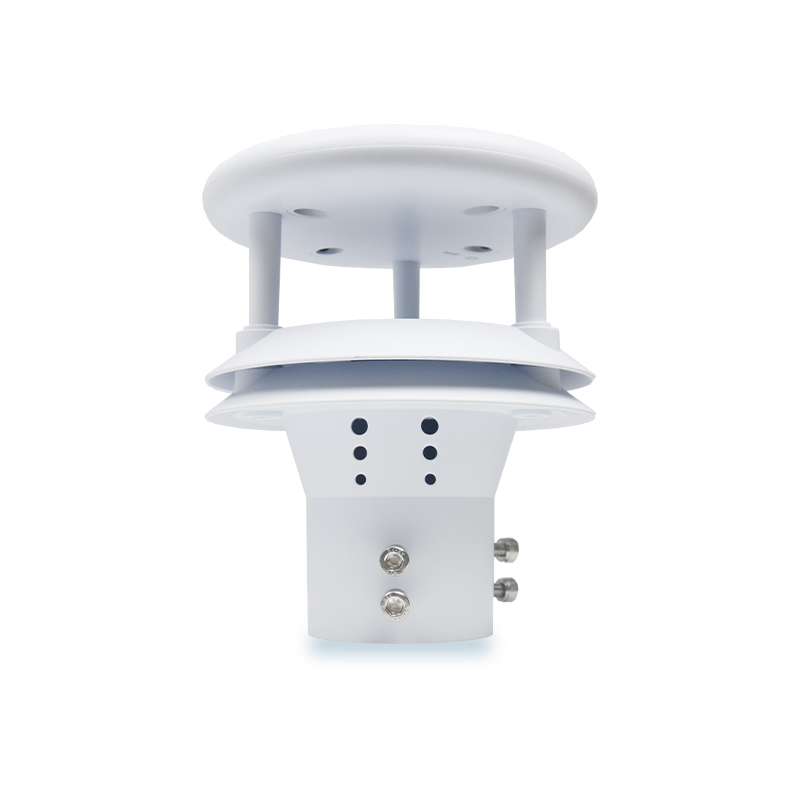
Agrometeorological stations are small automatic weather stations deployed in farmlands, orchards, greenhouses and other areas. They automatically monitor climate and environmental factors closely related to agricultural production activities, helping farmers and researchers grasp field environmental...
A rain gauge is an important device used to measure precipitation. With the continuous advancement of science and technology, the types of rain gauges have become increasingly diverse, among which the piezoelectric rain gauge has emerged as a "new favorite" in the market in recent years. B...
The Visibility detector is an intelligent meteorological monitoring device, mainly used for real-time monitoring of low visibility meteorological conditions, and is widely applied in fields such as transportation, meteorology, and environmental monitoring. This system, through the front-end visibili...
As industrialization speeds up and cities expand, air quality has become a growing concern. Traditional fixed - station air quality monitoring offers precise data but has drawbacks like high costs, limited monitoring areas, and inability to collect continuous spatiotemporal data. Mobile air quality...


 Skype
Skype
 whatsapp
 mail
mail