Shandong Fengtu IOT Technology Co., Ltd
Sales Manager:Ms. Emily Wang
Cel,Whatsapp,Wechat:+86 15898932201
Email:info@fengtutec.com
Add:No. 155 Optoelectronic Industry Accelerator, Gaoxin District, Weifang, Shandong, China


Sales Manager:Ms. Emily Wang
Cel,Whatsapp,Wechat:+86 15898932201
Email:info@fengtutec.com
Add:No. 155 Optoelectronic Industry Accelerator, Gaoxin District, Weifang, Shandong, China
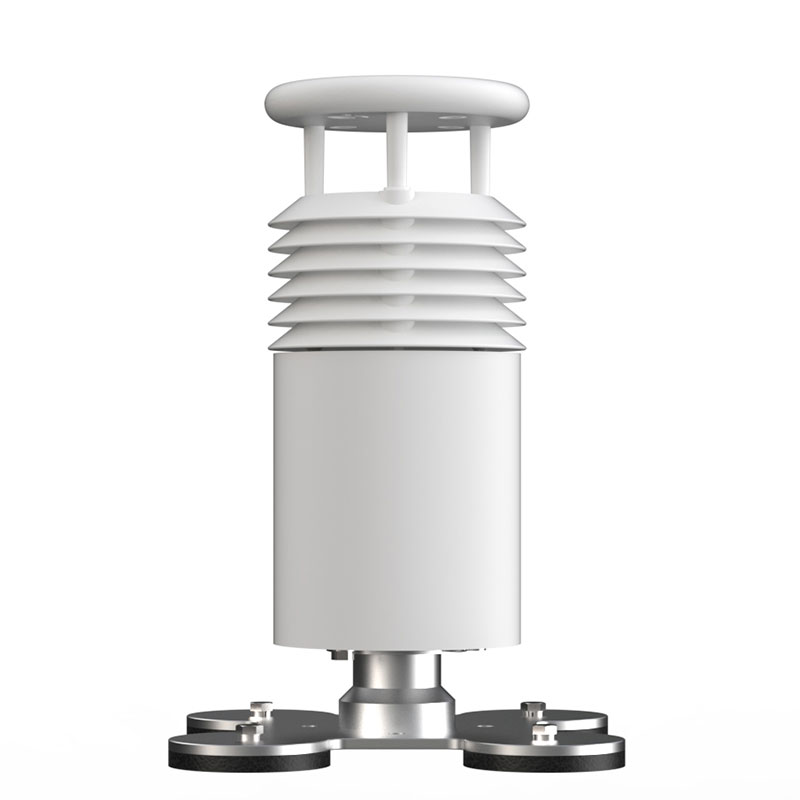
Model:FT-CZ5
Brand:fengtu
1.Vehicle Meteorological Sensor Product Introduction
Vehicle Meteorological Sensor is a highly integrated, low-power, fast-installation, high-precision automatic meteorological observation device that is easy to monitor on the move.
It is widely used in meteorology, agriculture, forestry, environmental protection, ocean, airports, ports, scientific investigation, campus education and other fields.
The device uses a five-element integrated sensor, which can conduct real-time observation of meteorological elements such as wind speed, wind direction, air temperature, humidity, and atmospheric pressure.The sensor casing is made of imported Stainless steel material, which is more effective against salt spray and other environments, and the protection level reaches IP65 or above.
The standard 485 to USB cable can be connected to a laptop or pad to read data directly.Customers can choose a pad at random according to their own situation.
2.Vehicle Meteorological Sensor Product Features
1.The ultrasonic probe is hidden on the top cover to avoid interference from rain and snow accumulation and avoid being blocked by natural wind.
2.The principle is to transmit continuous frequency-converting ultrasonic signals and detect wind speed by measuring relative phase.
3.The bottom of the device is equipped with a high-strength magnet (wrapped in rubber), which can be adsorbed on the roof without damage
4.Shock-absorbing suitcase, easy to carry
5.Built-in electronic compass, automatically finds north
6.Beidou and GPS dual-mode positioning, with the highest accuracy of 0.1 meter
3.Vehicle Meteorological Sensor Technical Parameters
1.Wind speed: Ultrasonic principle, 0~60m/s (±0.1m/s), can measure the real wind speed
2.Wind direction: Ultrasonic principle, 0~360° (±2°)
3.Air temperature: Measurement principle: diode junction voltage method, -40-60℃ (±0.3℃)
4.Air humidity: Measurement principle: capacitive, 0-100%RH (±3%RH)
5.Atmospheric pressure: Measurement principle: piezoresistive, 300-1100hpa (±0.25%)
6.Data storage: no less than 500,000 records;
7.Power consumption: 1.75W
8.Lithium battery: capacity 12000maH, battery life ≥50h
9.Total weight: ≤5kg;
10.Installation time: 1 person, no more than 2 minutes to complete the installation;
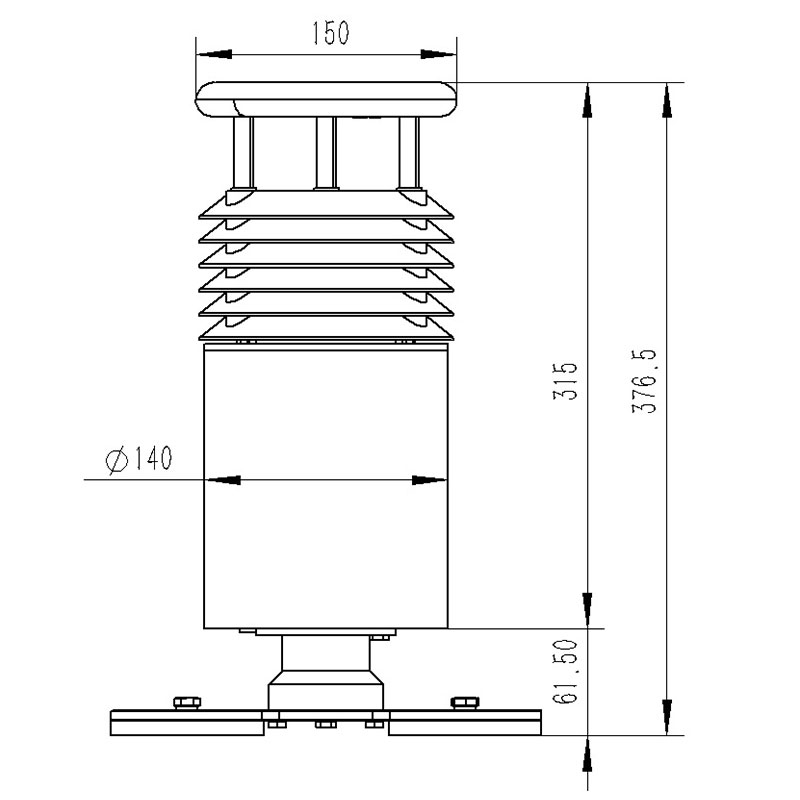
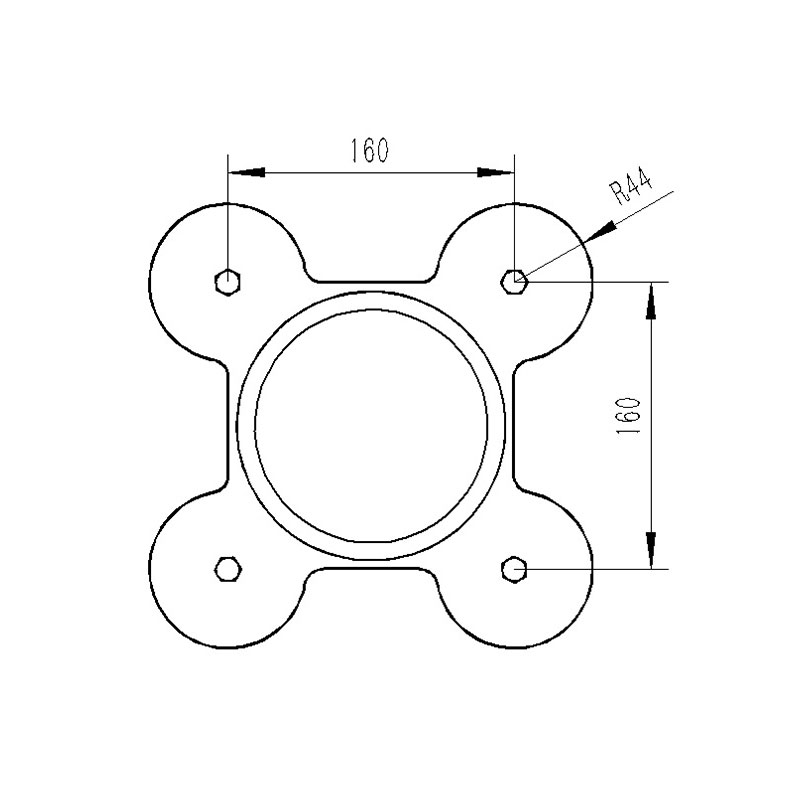
4.Vehicle Meteorological Sensor Dimensions
5.Vehicle Meteorological Sensor host computer software introduction
1.PC stand-alone version of data receiving, storage, viewing and analysis software
2.Support serial port data reception, processing and display
3.Support json string, modbus485 and other communication methods
4.The storage time can be set by yourself, and the acquisition time can be set by yourself in modbus485 acquisition mode
5.Support self-service addition, deletion, and modification of monitoring parameter protocols, names, icons, etc.
6.Support data post-processing function
7.Support external running of javascript scripts
The Negative Oxygen Ion Detector can monitor the content of negative oxygen ions, the concentration of formaldehyde, and the value of PM2.5 in the air in real time and accurately. It is easy to operate and can be easily placed and used in homes, offices, or other indoor places. Through the intuitive...
In scenarios such as emergency rescue and outdoor operations, there is a need to accurately grasp meteorological data, which requires the use of a Small Handheld Portable Weather Station. This is a practical tool. It integrates monitoring functions for 11 core meteorological elements, meeting data n...
An Automatic Farmland Weather Station is an agricultural management system based on information technology. It continuously collects environmental data from agricultural production sites and provides decision support for production management through data analysis.The system uses a sensor network to...
Agricultural Weather Station is a highly integrated, low-power, and rapidly deployable high-precision meteorological observation device designed specifically for farmland monitoring scenarios. Compliant with the requirements for high-standard farmland construction, the device comes bundled wit...


 Get a Free Quote
 Skype
Skype
 whatsapp
 mail
mail