Shandong Fengtu IOT Technology Co., Ltd
Sales Manager:Ms. Emily Wang
Cel,Whatsapp,Wechat:+86 15898932201
Email:info@fengtutec.com
Add:No. 155 Optoelectronic Industry Accelerator, Gaoxin District, Weifang, Shandong, China


Sales Manager:Ms. Emily Wang
Cel,Whatsapp,Wechat:+86 15898932201
Email:info@fengtutec.com
Add:No. 155 Optoelectronic Industry Accelerator, Gaoxin District, Weifang, Shandong, China
time:2026-04-17 11:26:28 source:Weather Station viewed:291 time
The high-altitude monitoring lamp is specifically designed for tracking high-altitude migratory pests, such as the Fall Armyworm (*Spodoptera frugiperda*). By leveraging the pests' phototactic behavior—their natural attraction to light—the device lures migratory insects flying at altitudes of 500 to 1,000 meters into a collection chamber, subsequently uploading the monitoring data in real-time to a cloud-based platform via a 4G network.
This specialized plant protection device was developed to monitor the migration dynamics of high-altitude pests like the Fall Armyworm. It effectively tracks pest population dynamics while simultaneously serving as a powerful trapping mechanism. Given that the Fall Armyworm is characterized by high-altitude flight and long-distance migration capabilities, standard monitoring lamps are often ineffective in tracking them. In contrast, the high-altitude monitoring lamp can effectively attract migratory insects flying between 500 and 1,000 meters, exerting a strong trapping effect on pest swarms that are migrating out of, passing through, or migrating into a specific region.
In terms of hardware configuration, the high-altitude monitoring lamp employs a 1000W metal halide lamp as its primary light source for attracting insects. It is equipped with four glass impact plates positioned at equal 90-degree intervals. The device operates based on the principle of insect phototaxis: a beam of light is projected skyward; when high-altitude migratory pests enter the lamp's monitoring zone, they are drawn by the light source and fly toward it. During their flight path, they collide with the impact plates and subsequently fall into a collection and processing chamber. This chamber features a dual-layer far-infrared treatment system that ensures a pest mortality rate of no less than 98%, while maintaining a pest body integrity rate of no less than 95%. The device also houses a built-in 5-megapixel high-definition camera capable of capturing real-time images of the pests as they fall into the chamber. A vibration mechanism ensures the pests are evenly distributed and spread flat across a conveyor belt—preventing them from piling up—which, in conjunction with the platform software's AI analysis and recognition system, enables the automatic identification of pest species and counts.
Regarding data transmission and deployment, the high-altitude monitoring lamp utilizes 4G connectivity or IoT technology to upload monitoring data to a cloud-based platform in real-time, allowing users to remotely access and view the data via mobile devices or computers. The system analyzes pest population dynamics and migration trends, issuing early warnings in advance to provide a basis for agricultural technicians to formulate control strategies. The device supports three operating modes: light-controlled, time-controlled, and sleep mode. In light-controlled mode, the light automatically switches on at night and off during the day; in time-controlled mode, operating hours are configured based on the behavioral habits of target pests; and in sleep mode, the device turns off its light source while maintaining full communication capabilities. High-altitude pest monitoring lamps are typically situated in relatively open areas—such as on rooftops or elevated platforms—or installed within pest observation fields to facilitate the centralized trapping and elimination of high-flying pests. In practical application, this device has been widely adopted across the agriculture, forestry, and livestock sectors, establishing itself as a critical component within the monitoring and early warning infrastructure for migratory pests.
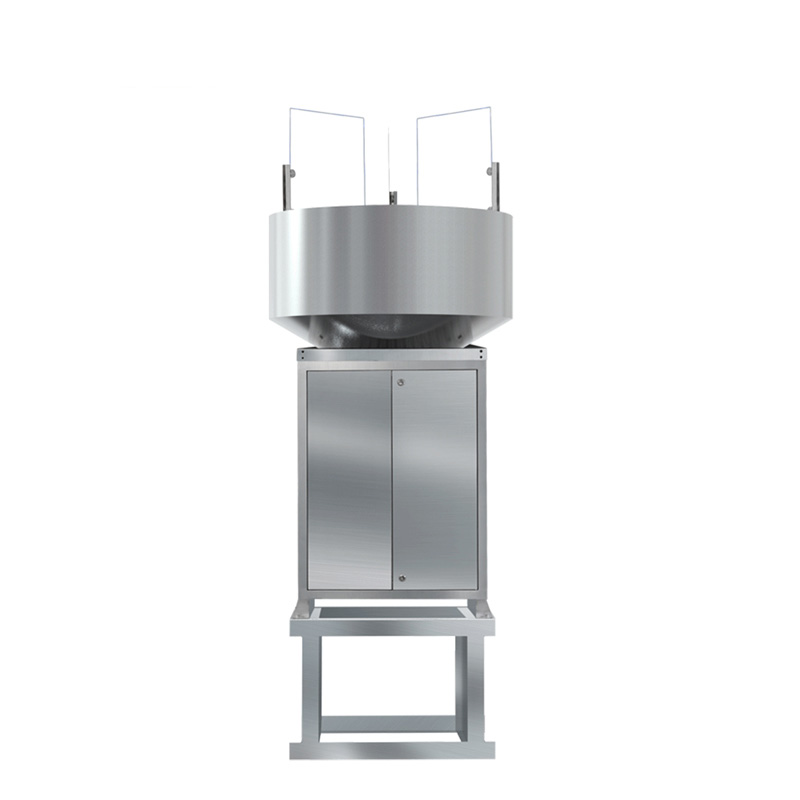
Lightning detection sensor integrates five types of sensors: pH, oxygen dissolved, conductivity, turbidity, and temperature. It employs multiple detection principles, including fluorescence, glass electrode, and light scattering methods. Connecting to a host computer or cloud platform via RS48...
In an era when the demand for meteorological information is increasing day by day, a variety of multi-functional weather stations have emerged on the market and have gradually become common devices in the field of meteorological monitoring. So here comes the question: why is it called a "multi-...
Lightning monitor is a high-precision device designed for lightning monitoring and early warning. It is capable of monitoring atmospheric electric field variations in real time and tracking the signatures of lightning activity, thereby providing critical support for lightning disaster preventi...
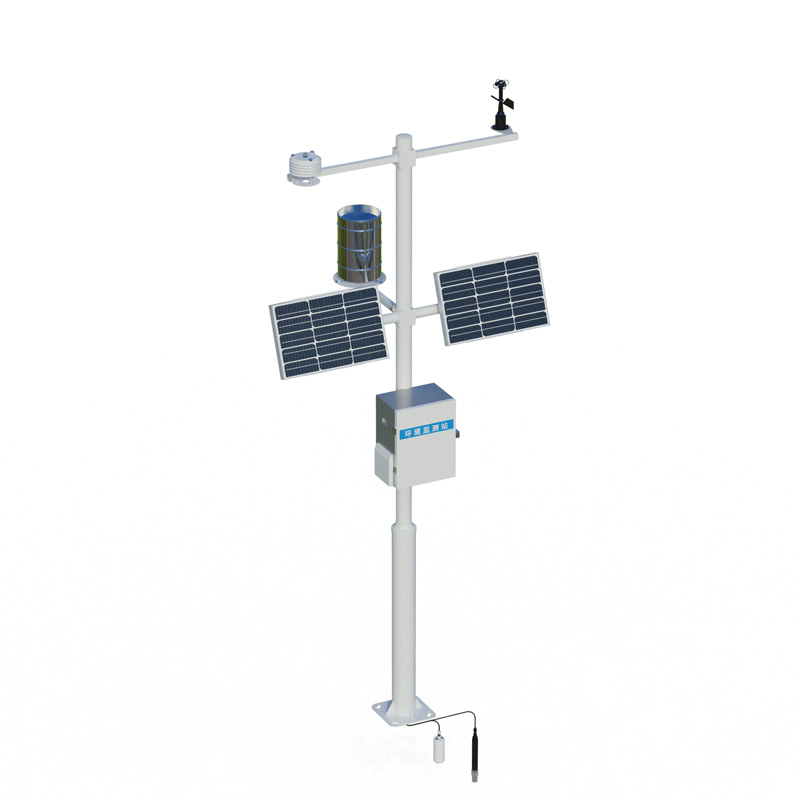
The Fengtu Small Automatic Weather Station simultaneously conducts real-time monitoring of six core meteorological parameters: wind speed, wind direction, temperature, humidity, air pressure, and optical rainfall. The wind speed and direction sensors have a range of 0 to 60 m/s, with an accuracy of...


 Skype
Skype
 whatsapp
 mail
mail