Shandong Fengtu IOT Technology Co., Ltd
Sales Manager:Ms. Emily Wang
Cel,Whatsapp,Wechat:+86 15898932201
Email:info@fengtutec.com
Add:No. 155 Optoelectronic Industry Accelerator, Gaoxin District, Weifang, Shandong, China


Sales Manager:Ms. Emily Wang
Cel,Whatsapp,Wechat:+86 15898932201
Email:info@fengtutec.com
Add:No. 155 Optoelectronic Industry Accelerator, Gaoxin District, Weifang, Shandong, China
time:2026-09-28 10:35:27 source:Weather Station viewed:15 time
This Plant Disease Detection and Monitoring device integrates meteorological monitoring with intelligent spore-trapping and microscopic imaging. It automatically collects data on crop growth environments and disease spore information, utilizing built-in models to predict the onset trends of wheat stripe rust, thereby providing precise data support for agricultural disease forecasting and scientific prevention and control.
In the development of modern agriculture, the routine and precise detection and monitoring of plant diseases are crucial for ensuring stable and increased grain yields. Traditional disease monitoring relies heavily on manual field inspections, which suffer from low efficiency, high subjectivity, data lag, and an inability to capture the dynamics of early-stage spore transmission. These methods fail to meet the disease control needs of large-scale, standardized farmland, making the application of intelligent monitoring equipment a key trend in agricultural plant protection.
The integrated Plant Disease Detection and Monitoring equipment combines multiple practical functions. Its hardware configuration includes a meteorological data collection unit, a spore-trapping unit, an image acquisition unit, a network transmission module, and a lightning-protected power system—all designed for stable operation in complex field environments. The device enables fully automated, unmanned operation, autonomously performing tasks such as stripe rust spore trapping, automatic slide-tape switching, microscopic imaging, and data uploading. This eliminates the need for continuous manual oversight, significantly reducing labor costs and operational errors associated with field monitoring.
During monitoring operations, the Plant Disease Detection and Monitoring device simultaneously collects meteorological data (such as temperature and humidity) and information on disease spore loads and dispersal dynamics. It uses built-in professional models to analyze the correlation between weather conditions and disease outbreaks, accurately predicting the timing and spread of wheat stripe rust. All captured image and environmental data are uploaded in real-time to a dedicated online platform, creating a dynamically updated database that correlates disease activity with environmental factors. This provides a wealth of authentic, valid field data for studying disease epidemic patterns and analyzing outbreak trends.
The Plant Disease Detection and Monitoring equipment addresses the technical shortcomings of traditional plant protection monitoring, enabling a shift from manual, reactive inspections to intelligent, proactive disease prediction. A normalized, unmanned, and visual monitoring model enables the precise detection of early-stage disease transmission characteristics, providing farmers with ample time for timely, targeted control measures. This effectively mitigates the risk of crop yield losses caused by disease spread, aligns with the disease control requirements of modern precision agriculture, and establishes a robust technical safeguard for safe crop production.
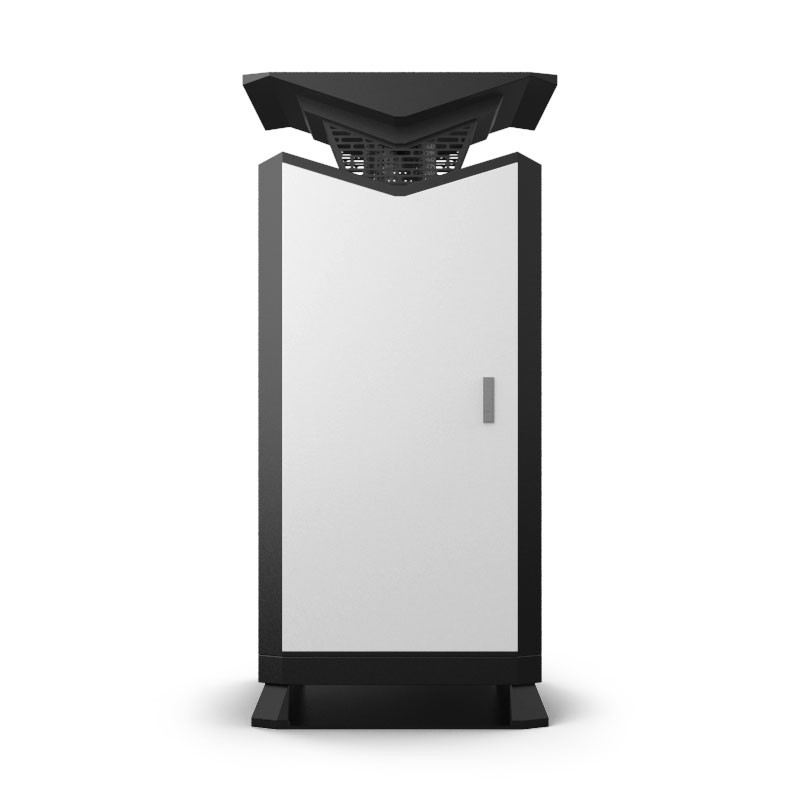
In the pest control work of parks, farmlands, orchards and other places, the Air Suction Insecticide Lamp, a green and environmentally friendly device that combines solar power supply and physical prevention and control technologies, is becoming increasingly prominent. Its core principle is to effic...
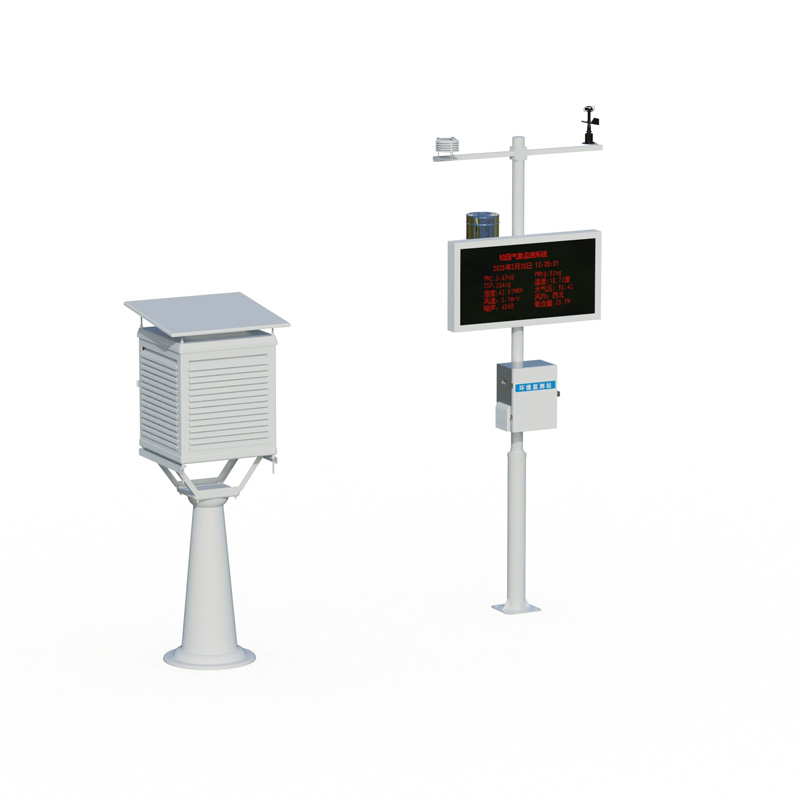
Automatic meteorological observation system consists of sensors, a data collector, a power supply system, a support structure, and a cloud platform, capable of automatically and continuously collecting data such as temperature, humidity, pressure, wind, and precipitation. This system requires...
In traditional agriculture, farmers have long relied on the labor mode of "facing the loess and having their backs to the sky", understanding various situations in the fields through a hands-on approach. This way not only consumes a lot of physical strength and time but also has many limit...
In meteorology, the accurate measurement of rainfall is an important project. From agricultural irrigation decisions to the planning of urban drainage systems and to meteorological disaster warnings, accurate rainfall data is required. To meet this need, scientists have developed a variety of rain s...


 Skype
 whatsapp
 mail