Shandong Fengtu IOT Technology Co., Ltd
Sales Manager:Ms. Emily Wang
Cel,Whatsapp,Wechat:+86 15898932201
Email:info@fengtutec.com
Add:No. 155 Optoelectronic Industry Accelerator, Gaoxin District, Weifang, Shandong, China


Sales Manager:Ms. Emily Wang
Cel,Whatsapp,Wechat:+86 15898932201
Email:info@fengtutec.com
Add:No. 155 Optoelectronic Industry Accelerator, Gaoxin District, Weifang, Shandong, China
time:2026-04-22 11:02:57 source:Weather Station viewed:280 time
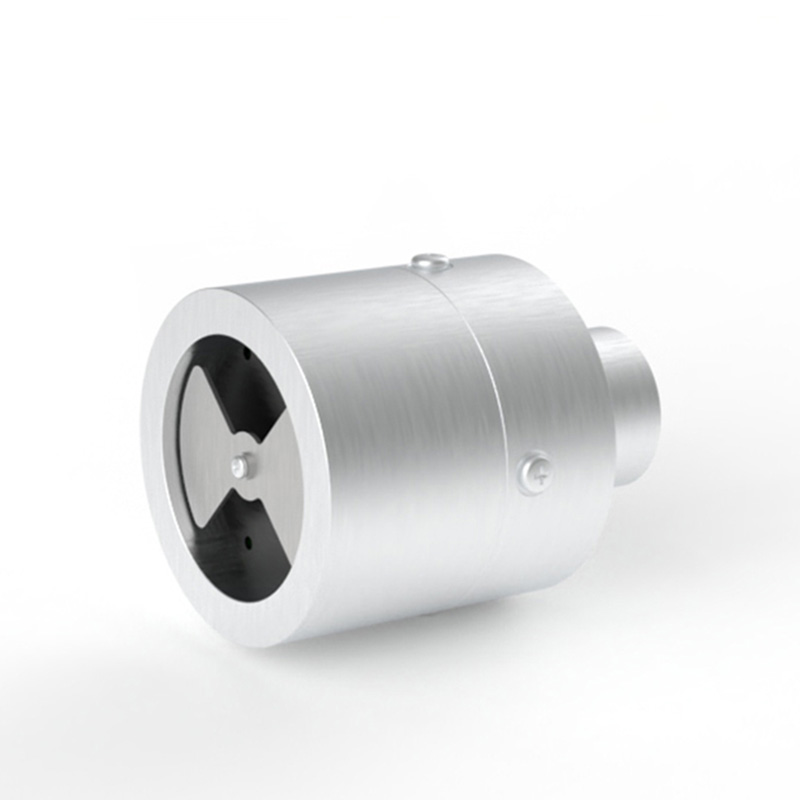
The atmospheric electric field monitor measures atmospheric electric field strength in real-time, based on the principle of induced charges in conductors. It features a measurement range of -100 kV/m to +100 kV/m, an accuracy of ±0.001% F.S., and a response time of 3 seconds. Utilizing Modbus-485 communication, the instrument is widely deployed in meteorological stations, airports, power facilities, and similar environments for lightning warning and safety protection purposes.
The atmospheric electric field monitor is a high-precision lightning warning device designed to measure atmospheric electric field strength and its fluctuations in real-time. The instrument operates on the principle that a conductor placed within an electric field generates induced charges; it employs either field mill or MEMS technology to sense changes in the ambient electrostatic field. Sensors within the device convert these electric field signals into electrical signals, which are then processed by a data processing unit to calculate the precise electric field strength value. As thunderstorm clouds develop overhead, the separation of electrical charges within the clouds causes significant changes in the electric field strength at ground level. The instrument captures this dynamic process, issuing warnings *before* actual lightning strikes occur, thereby providing a critical time window for implementing preventive measures against lightning-related hazards.
In terms of technical specifications, mainstream atmospheric electric field monitors typically feature a measurement range spanning from -100 kV/m to +100 kV/m, enabling them to meet measurement requirements across a full spectrum of weather conditions—from clear skies to severe thunderstorms. The full-scale accuracy reaches ±0.001% F.S., with a response time of 3 seconds. The sensor housing is constructed from 6061 aluminum alloy; the device operates on a 12 VDC power supply with a low power consumption of just 0.5 W. Communication is facilitated via the Modbus-485 protocol, allowing for seamless integration with host computers or centralized monitoring platforms. Certain advanced models utilize rotating electric field sensors with an extended measurement range of ±200 kV/m; these units can provide lightning warnings 30 to 60 minutes in advance and support wireless data transmission—via 4G, RS485, or Ethernet—to a cloud-based platform, where real-time electric field strength trend charts and statistical reports are automatically generated.
Applications of the atmospheric electric field monitor span a diverse range of sectors, including meteorological monitoring, protection of power infrastructure, aerospace safety assurance, and petrochemical industry safety management. At meteorological stations, instruments conduct continuous, uninterrupted monitoring of lightning activity within the region, providing critical data for weather forecasting and disaster early warning. In the vicinity of substations and transmission lines, atmospheric electric field meters enable real-time tracking of dynamic changes in the surrounding atmospheric electric field; when the field strength exceeds a preset threshold, an alarm is immediately triggered. This alerts personnel to implement protective measures—such as halting outdoor operations or shutting down critical equipment—thereby effectively mitigating the risk of loss to both personnel and facilities caused by lightning strikes.
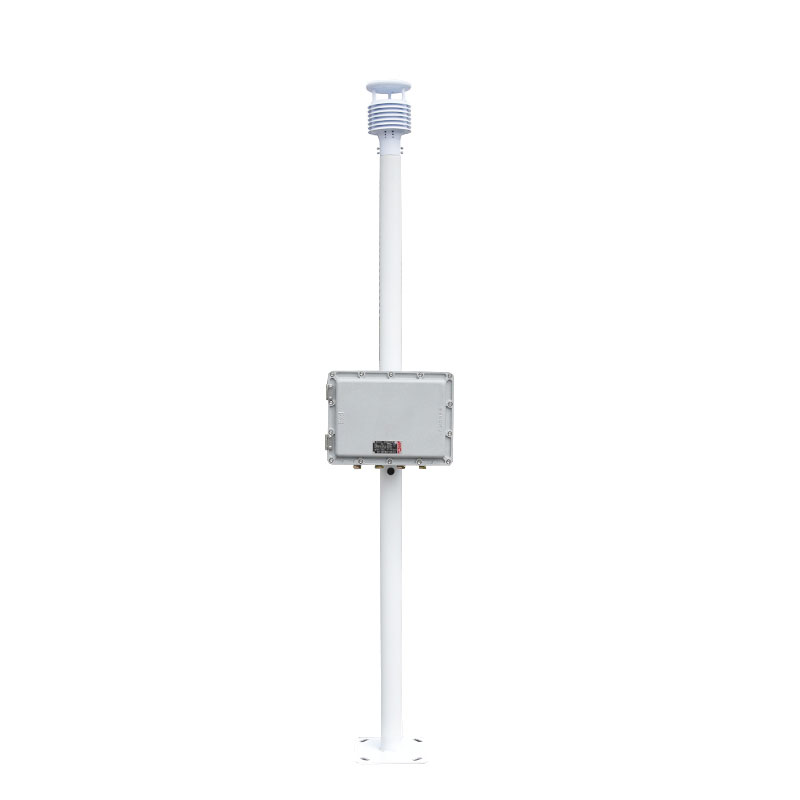
In practical deployment, atmospheric electric field meters should be installed in open outdoor areas, avoiding locations situated on steep slopes, in depressions, or adjacent to tall structures. The sensing surface of the sensor probe must be mounted horizontally, ideally positioned 1.5 meters above the ground, while ensuring proper grounding. Certain models feature solar power systems, enabling continuous operation in remote locations where grid electricity is unavailable; furthermore, the equipment boasts an IP65 or higher protection rating, allowing it to withstand harsh outdoor environments characterized by high temperatures, high humidity, and salt spray. When integrated with backend monitoring software, the system offers capabilities such as graphical visualization of electric field data, historical data querying, and multi-level threshold-based alarming, thereby establishing a complete closed-loop process ranging from data acquisition to early warning issuance.
This handheld star array agricultural meteorological and environmental monitoring instrument is an integrated multi-element monitoring terminal. Equipped with industrial sensors and a modular expansion structure, it simultaneously monitors 16 environmental parameters. It can be used in agricul...
The negative oxygen ion monitoring system is a monitoring station that automatically collects air cleanliness index data in tourist scenic spots and ecological parks (such as artificial wetlands, ecological scenic spots, botanical gardens, etc.). ).Monitor the negative oxygen ions, temperature, humidity, PM2.5 and other environmental quality parameters in scenic spots....
The atmospheric electric field mill is a lightning monitoring device based on the "field mill" principle. By measuring the intensity and fluctuations of the atmospheric electric field at ground level, it infers the charge state of thunderstorm clouds and issues lightning warnings 5 t...
The Visibility and Present Weather Sensor is an automatically continuous monitoring sensor, whose main monitoring targets include visibility, precipitation conditions, and specific types of visibility-impairing weather phenomena.This device works based on the forward scattering principle. It activel...


 Skype
Skype
 whatsapp
 mail
mail