Shandong Fengtu IOT Technology Co., Ltd
Sales Manager:Ms. Emily Wang
Cel,Whatsapp,Wechat:+86 15898932201
Email:info@fengtutec.com
Add:No. 155 Optoelectronic Industry Accelerator, Gaoxin District, Weifang, Shandong, China


Sales Manager:Ms. Emily Wang
Cel,Whatsapp,Wechat:+86 15898932201
Email:info@fengtutec.com
Add:No. 155 Optoelectronic Industry Accelerator, Gaoxin District, Weifang, Shandong, China
time:2026-04-27 11:14:15 source:Weather Station viewed:265 time
The Transmission Line Online Monitoring System is a specialized meteorological and environmental monitoring device designed specifically for high-voltage transmission towers. It is capable of uploading meteorological parameters—such as wind speed, wind direction, temperature, humidity, atmospheric pressure, and rainfall—from the transmission line corridor to a central monitoring center in real time via a wireless network.
Transmission lines are widely distributed, characterized by their extensive lengths and towering pylons, and are frequently routed through challenging terrains such as mountains and hills. Traditional manual inspection methods suffer from inherent drawbacks, including low safety levels, management difficulties, inefficiency, slow response times, and a lack of real-time data capabilities. Line faults account for a significant proportion of annual power grid outage incidents. Since transmission lines are highly susceptible to the influence of their geographical environment and climatic conditions, the "blind spots" that occur between manual inspection cycles often prevent timely detection of meteorological shifts or external damage within the line corridor, making the lines highly vulnerable to accidents before the next scheduled inspection takes place. The Transmission Line Online Monitoring System is an intelligent device specifically engineered to address this critical issue. Directly installed on power transmission towers, the system comprises four main components: a front-end data acquisition unit, a solar power supply system, a communication module, and a back-end data analysis and processing center. It utilizes solar panels as its primary power source; additionally, in certain regions, wind turbines can be installed—depending on local conditions—to ensure continuous, unmanned, and all-weather operation.
The Transmission Line Online Monitoring System was developed and manufactured primarily to monitor the localized meteorological environment within transmission line corridors. It provides real-time monitoring of meteorological parameters—including wind speed, wind direction, ambient temperature, relative humidity, atmospheric pressure, rainfall, and solar radiation—while simultaneously collecting data on conductor operating conditions, such as conductor and ground wire temperatures, wind-induced deflection angles, tower tilt angles, and conductor galloping amplitude and frequency. The micro-meteorological online monitoring subsystem is responsible for collecting weather data from the immediate vicinity of the transmission line. Should wind speeds exceed a preset threshold, temperatures undergo abnormal fluctuations, or rainfall levels reach a predefined alarm value, the system utilizes a GPRS communication module to transmit alert notifications—either as SMS messages or data packets—directly to the mobile devices of designated personnel. Compared to traditional manual patrols of transmission corridors, this online monitoring system achieves uninterrupted, automated data acquisition. The data sampling frequency can be flexibly adjusted—ranging from a few seconds to several minutes—to suit specific operational requirements, thereby ensuring that management personnel can accurately monitor the operational status of the transmission towers even during adverse weather conditions, without the need to physically visit the site. This device features a lightning-resistant design and incorporates multiple protective capabilities—including corrosion resistance, high-magnetic field shielding, and high-voltage protection—enabling it to operate stably within the intense electromagnetic environment of power transmission lines. Data on monitored parameters—such as wind speed, wind direction, temperature, humidity, and rainfall—undergoes preliminary processing by the front-end host before being uploaded in real-time to a monitoring center via GPRS communication or fiber-optic transmission. At the center, monitoring personnel can intuitively view real-time meteorological data and live site imagery for each transmission tower on large display screens. By integrating this data with historical trend analysis, they can assess key indicators—such as the rate of ice accumulation on lines, changes in conductor galloping frequencies, and wind-induced line sway—to issue early warnings before extreme weather events fully develop. This allows for the timely scheduling of line maintenance or de-icing operations, thereby effectively mitigating the risks of line tripping and equipment damage caused by meteorological factors. The comprehensive deployment of this system has driven a transformation in the operation and maintenance paradigm for transmission lines, shifting from traditional manual, periodic inspections toward a lean, data-driven approach characterized by condition visualization.
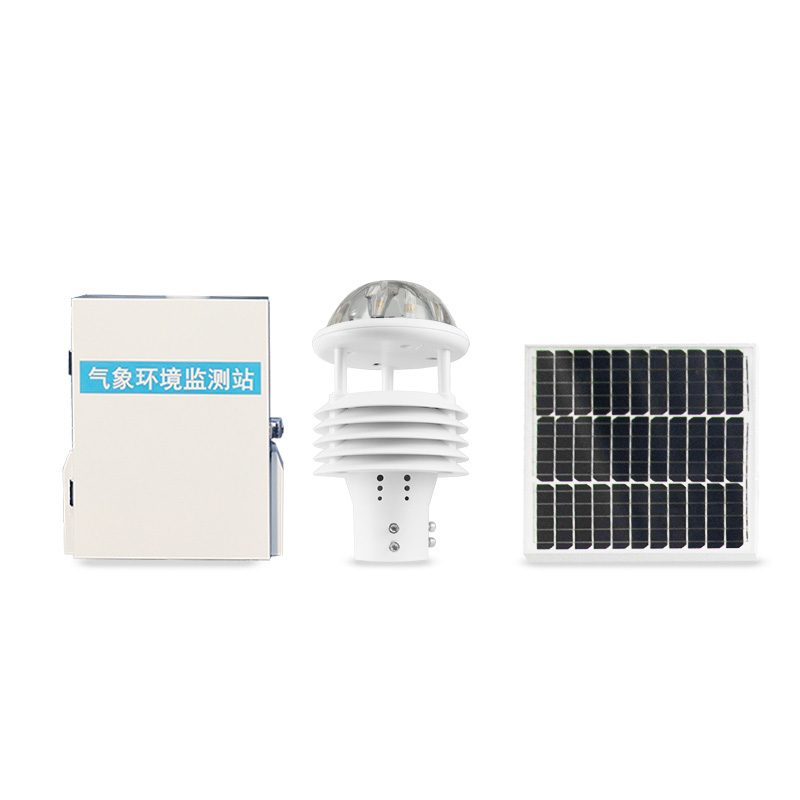
The environmental grid monitoring station manufacturer [Fengtu Technology], located in Weifang, Shandong Province, has been engaged in the research and development and sales of meteorological environmental monitoring equipment since its establishment in 2017, and has achieved fruitful results in the course of many years of development....
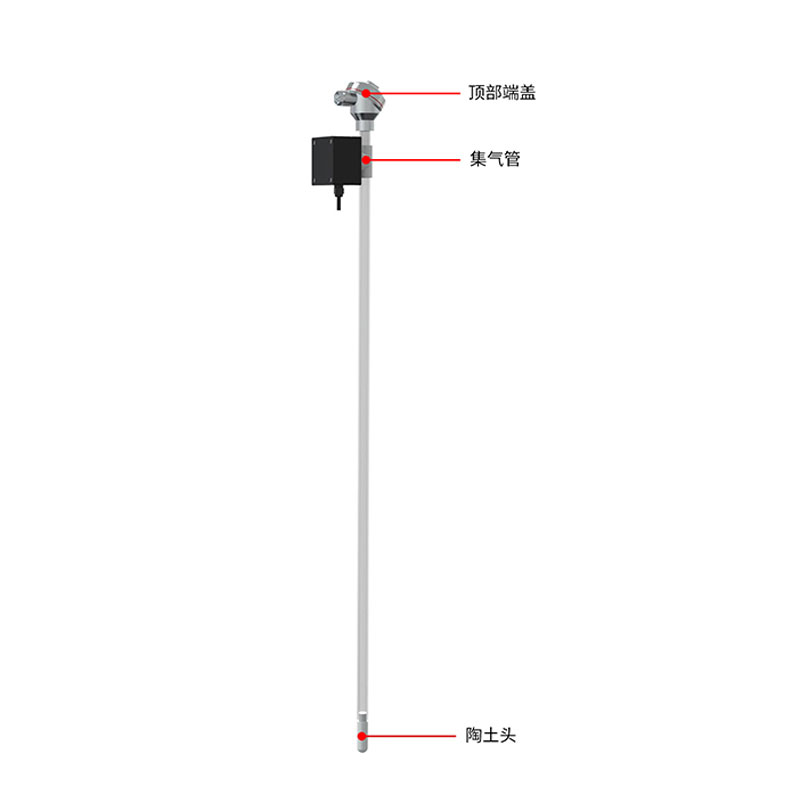
Greenhouse weather station is equipped with high-precision sensors that can monitor environmental parameters such as temperature, humidity, light intensity, accumulated temperature, and accumulated light intensity in real time. Data is uploaded to a cloud platform via the Internet of Things (I...
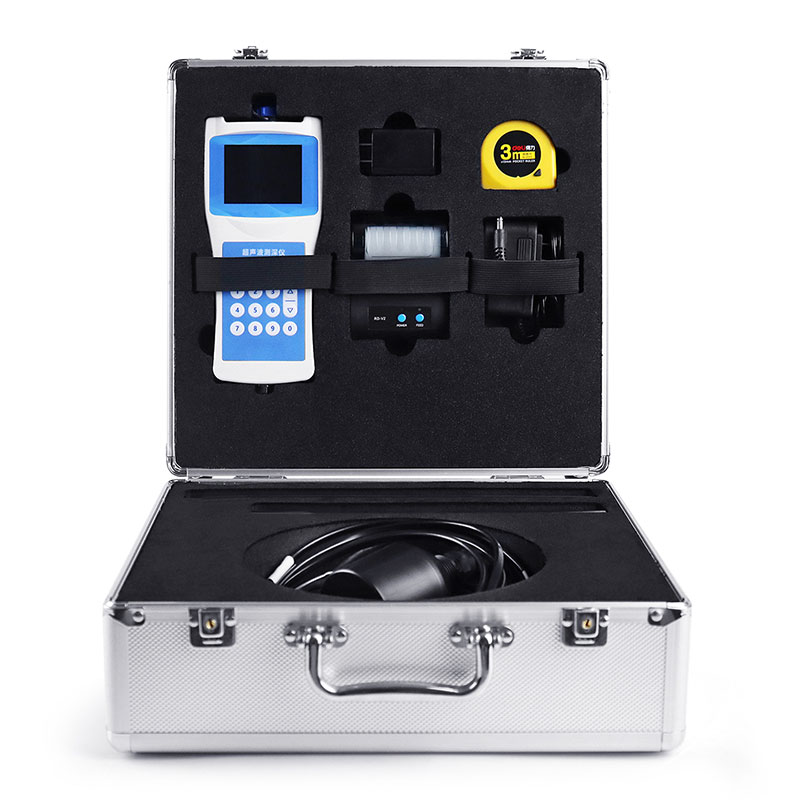
Agricultural Environment Monitoring System is a facility specifically designed for monitoring elements such as water, soil, and fertilizers in agricultural environments. It provides long-term dynamic monitoring of heavy metals, nutrient content, and pesticide residues, offering data support for agricultural environmental protection and remediation....
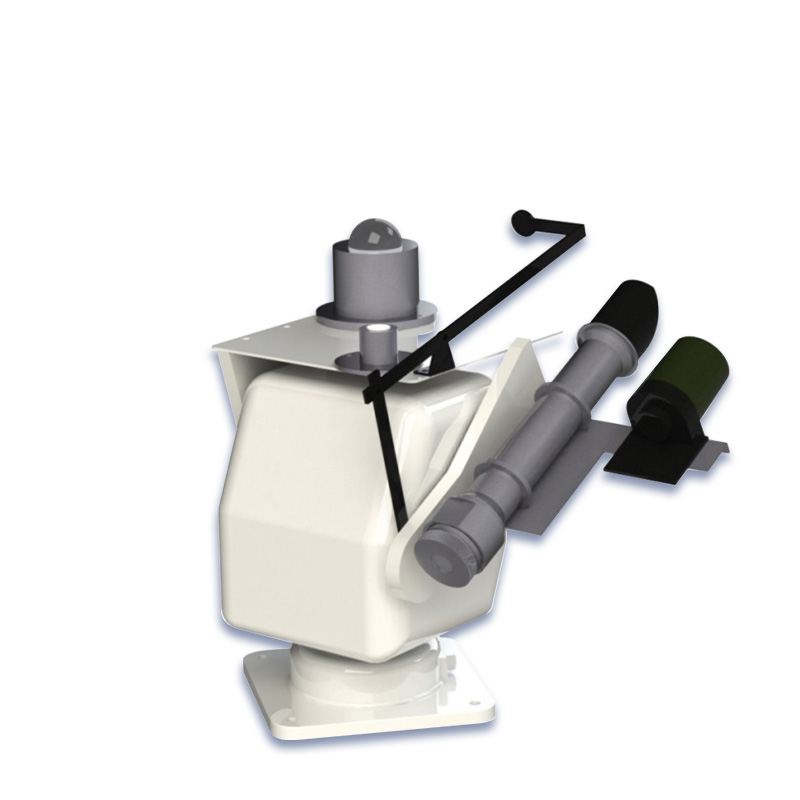
This high-precision lightning warning device operates on the field-mill principle. It converts electric field signals into electrical signals through the alternating shielding action of stationary and rotating vanes, enabling real-time measurement of atmospheric electric field strength within...


 Skype
Skype
 whatsapp
 mail
mail