Shandong Fengtu IOT Technology Co., Ltd
Sales Manager:Ms. Emily Wang
Cel,Whatsapp,Wechat:+86 15898932201
Email:info@fengtutec.com
Add:No. 155 Optoelectronic Industry Accelerator, Gaoxin District, Weifang, Shandong, China


Sales Manager:Ms. Emily Wang
Cel,Whatsapp,Wechat:+86 15898932201
Email:info@fengtutec.com
Add:No. 155 Optoelectronic Industry Accelerator, Gaoxin District, Weifang, Shandong, China
time:2026-10-19 10:18:24 source:Weather Station viewed:1 time
Shandong Fengtu’s FT-DC1 and FT-DC2 atmospheric electric field mills, paired with the FT-LD1S and FT-LD2 lightning early warning systems, provide real-time monitoring of atmospheric electric field fluctuations and identify thundercloud activity. These solutions offer lightning hazard warnings for locations such as oil depots, mines, and tourist attractions, helping to mitigate the risks that lightning strikes pose to personnel and equipment.
Lightning hazards can cause personal injury and equipment damage at oil and gas facilities, mines, tourist sites, and power infrastructure. While broad-scale meteorological warnings cover large areas, they often fail to meet the need for precise, localized monitoring. To address this, Shandong Fengtu has introduced the FT-DC1 and FT-DC2 atmospheric electric field detectors, along with the FT-LD1S and FT-LD2 lightning early warning systems, designed for localized lightning hazard monitoring. The FT-DC1 is a standard atmospheric electric field mill that continuously measures ground-level atmospheric electric field intensity and detects the accumulation of electrical charge in thunderclouds; it is well-suited for deployment in general outdoor settings, such as meteorological stations or tourist attractions. The FT-DC2 is an explosion-proof model designed for hazardous environments where flammable or explosive materials may be present, ensuring stable data collection and comprehensive tracking of the entire lifecycle of a thunderstorm.
The FT-LD1S lightning early warning system utilizes an electric field differential algorithm to filter out signal interference caused by high winds, precipitation (rain or snow), and airborne dust, effectively reducing the rate of false alarms. It is primarily used in high-risk areas such as oil depots and coal mines. The system analyzes collected electric field data in real time to assess the proximity of lightning and issue early warnings. The FT-LD2, an explosion-proof lightning early warning system, is tailored for high-risk industrial environments; it provides a three-level warning system and can trigger on-site audible and visual alarms. Upon receiving a warning, personnel can promptly halt outdoor operations and shut down critical production equipment to avoid the dangers of a lightning strike. The entire system can be equipped with an optional solar power supply, enabling long-term, unattended outdoor operation. Furthermore, monitoring data can be uploaded to a central platform, allowing management to view real-time information remotely. This suite of lightning hazard warning equipment, based on atmospheric electric field sensing technology, requires no complex supporting infrastructure and offers flexible on-site deployment. Depending on the specific environment, enterprises and management entities can choose to implement either individual electric field monitoring devices or the complete early warning system. This localized approach to lightning monitoring and warning addresses the limitations of large-scale meteorological forecasts in predicting hyper-local thunderstorms. It assists high-risk facilities in refining their lightning safety management protocols, helps mitigate property damage and safety incidents caused by lightning, and provides stable, reliable lightning monitoring support for outdoor operations.
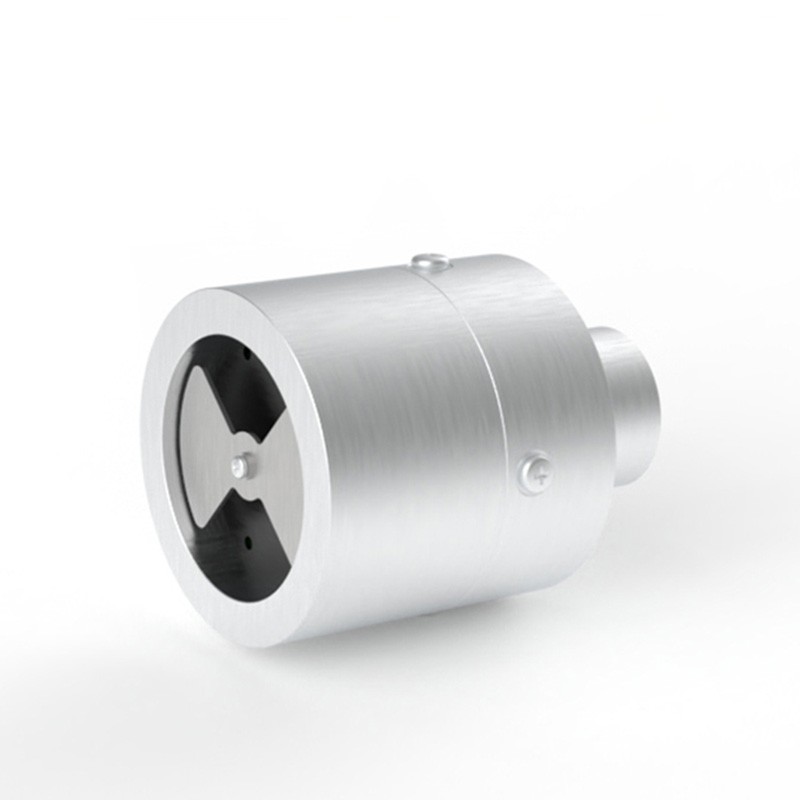
The transmission line micro-meteorological online monitoring system is an industrial-grade meteorological monitoring device installed on power transmission towers. It uses a high-precision sensor array to collect meteorological parameters such as wind speed, wind direction, temperature, humidi...
In areas with clean air, the visibility can reach as high as 70-100 kilometers, but air pollution and humidity often reduce it. In areas with haze, fog, smoke, or in the places where sandstorms or forest fires occur, low visibility is extremely dangerous for transportation. Many serious accidents on...
In traditional visibility observation, meteorological personnel determine the visibility by judging the furthest visible and the nearest invisible target objects. A target object distribution map is drawn in an area with a wide view around the meteorological station. Target objects of moderate size,...
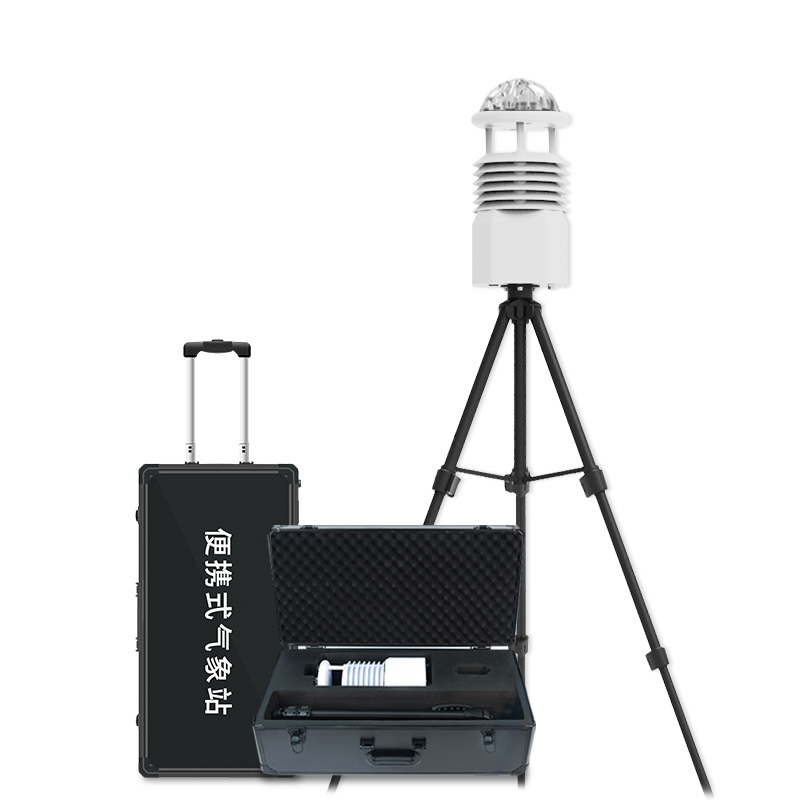
After natural disasters such as earthquakes and mudslides occur, the communication and power infrastructure in the disaster-stricken areas is often severely damaged, and the conventional meteorological monitoring systems are unable to operate normally. This is when the Portable Weather Station comes...


 Skype
 whatsapp
 mail