Shandong Fengtu IOT Technology Co., Ltd
Sales Manager:Ms. Emily Wang
Cel,Whatsapp,Wechat:+86 15898932201
Email:info@fengtutec.com
Add:No. 155 Optoelectronic Industry Accelerator, Gaoxin District, Weifang, Shandong, China


Sales Manager:Ms. Emily Wang
Cel,Whatsapp,Wechat:+86 15898932201
Email:info@fengtutec.com
Add:No. 155 Optoelectronic Industry Accelerator, Gaoxin District, Weifang, Shandong, China
time:2026-07-27 10:01:52 source:Weather Station viewed:45 time
The atmospheric electric field mill is a lightning monitoring device based on the "field mill" principle. By measuring the intensity and fluctuations of the atmospheric electric field at ground level, it infers the charge state of thunderstorm clouds and issues lightning warnings 5 to 30 minutes in advance. These devices are widely used for lightning protection monitoring at meteorological stations, petrochemical facilities, power infrastructure, and airports.
The atmospheric electric field mill is a specialized instrument used to measure atmospheric electric field intensity and its variations, falling under the category of atmospheric science observation equipment. It operates on the principle of induced charges on conductors within an electric field, converting electric field signals into electrical signals through the alternating shielding action of stationary and moving plates. Current designs commonly employ the field mill principle, consisting of a stator (sensing plate) and a rotor (grounded shielding plate); a motor drives the rotor to alternately expose the sensor to the electric field and shield it from it. When the charge structure of a thunderstorm cloud changes or the surface potential gradient increases, the atmospheric electric field intensity rises rapidly. By capturing these changes, the instrument triggers a warning when the intensity reaches a preset threshold.
In the field of meteorological monitoring, atmospheric electric field mills are widely deployed at weather stations to provide continuous monitoring of regional lightning activity. Capable of detecting slow variations in nearby electrostatic fields and highly sensitive to atmospheric electric field changes during overhead thunderstorms, they serve as effective tools for localized thunderstorm monitoring and early warning. These instruments can also be networked to monitor aerial charge distribution across a local area. By analyzing changes in the atmospheric electric field, meteorological departments can predict the probability and development trends of lightning activity and issue timely warnings.
Atmospheric electric field mills serve as vital monitoring tools for lightning protection in various lightning-prone locations. Installing them around petrochemical plants, communication base stations, power facilities, and high-rise buildings allows for real-time tracking of dynamic changes in the surrounding atmospheric electric field. When the measured intensity exceeds a preset threshold, the system immediately triggers an alarm, alerting personnel to take appropriate protective measures—such as halting outdoor operations or shutting down critical equipment. The AEFI-series atmospheric electric field mill is primarily used to provide lightning early-warning services for sectors such as national baseline meteorological stations, aerospace operations support, forestry, agriculture, the petroleum industry, electric power, water conservancy, and mining or industrial facilities.
The system comprises an electric field sensing probe, an electric field data processor, a central data processor, and client-side software for data display and analysis. It transmits data via wired or wireless communication modules to establish a monitoring and early-warning system capable of issuing alerts before lightning strikes occur. Some configurations integrate lightning location data with atmospheric electric field readings to provide a clearer picture of local electric field fluctuations and surrounding lightning activity. Computer analysis of the data enables the prediction of thunderstorm activity 5 to 30 minutes in advance. In agriculture and forestry, early notification of lightning activity facilitates the efficient scheduling of operations; additionally, the instrument can monitor lightning to help prevent forest fires caused by lightning strikes.
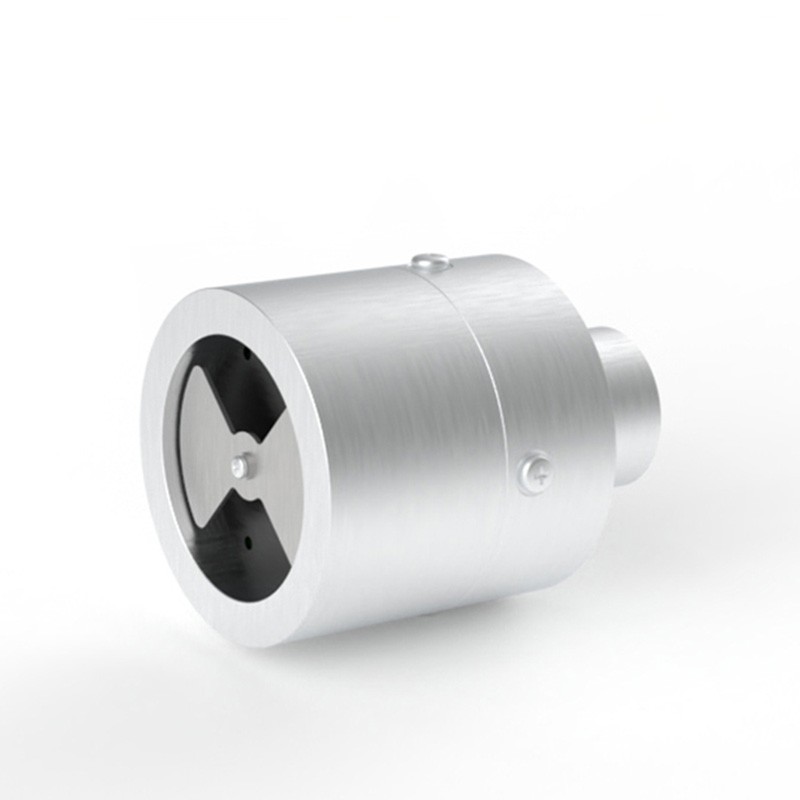
Weather stations, as the primary equipment for monitoring weather changes, play a crucial role in meteorological forecasting, environmental monitoring, agricultural production, and other fields. Among the diverse types of weather stations, the Portable Weather Station stands out with distinct featur...
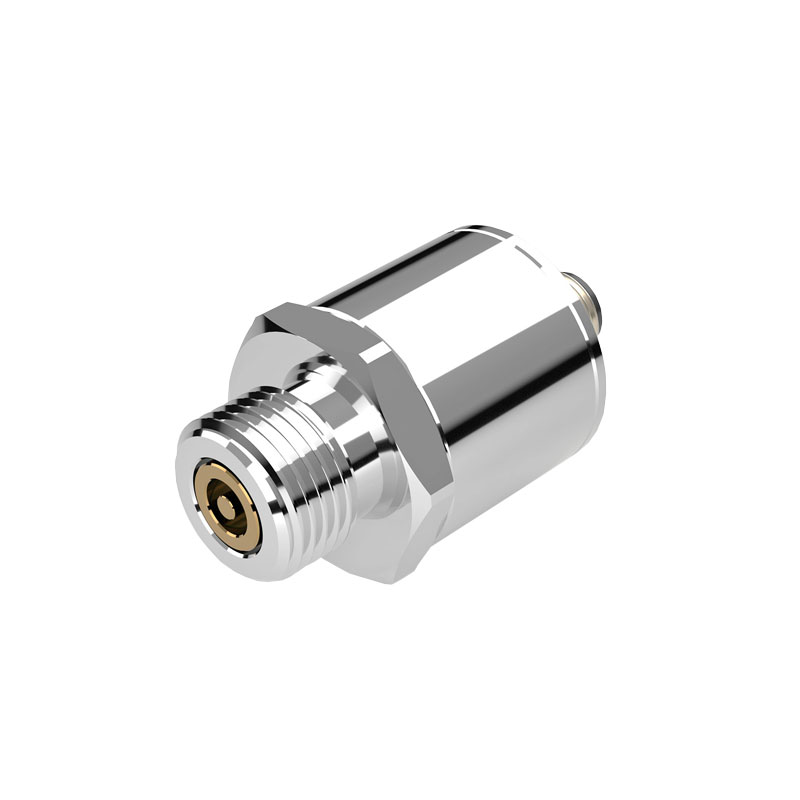
Lightning monitors are fully digital electric field detection and early warning devices based on the principle of charge induction and MEMS technology. They have no easily worn parts such as motors, resulting in small size and low power consumption. Employing an electric field differentiation...
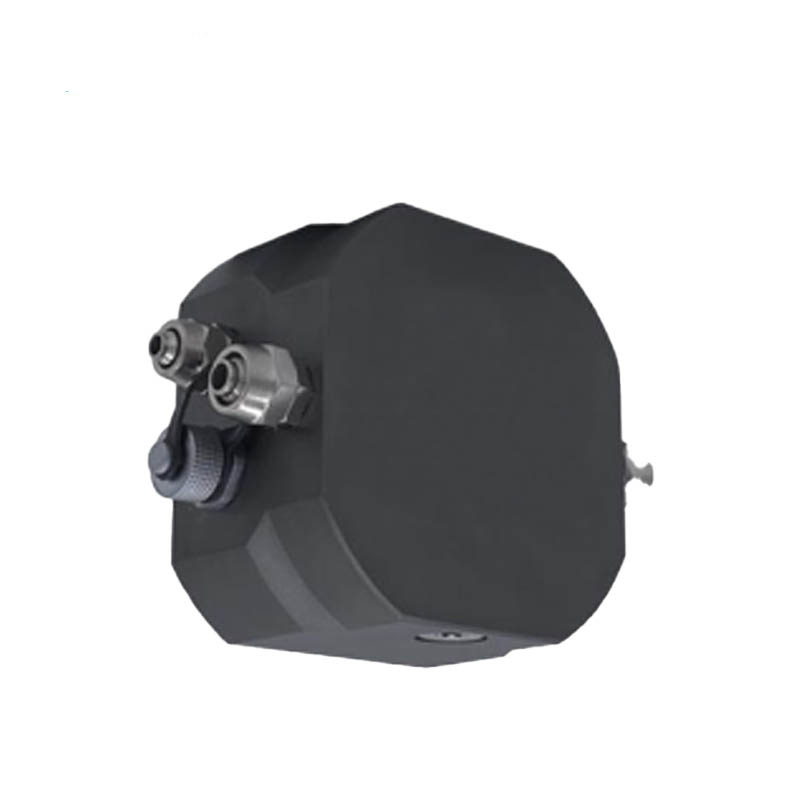
The comprehensive instrument for measuring temperature, humidity and wind speed is Fengtu's handheld weather station, FT-SQ5A, which measures wind speed, wind direction, air temperature, humidity, atmospheric pressure, wind speed, wind direction, altitude (optional) and other elements based on t...
The Beidou Weather Station combines Beidou-3 short message communication with meteorological sensors to achieve 24/7 unattended monitoring. The equipment uses an integrated eight-element sensor, and data is transmitted back in real-time via satellite link, solving the problem of meteorological...


 Skype
Skype
 whatsapp
 mail
mail