Shandong Fengtu IOT Technology Co., Ltd
Sales Manager:Ms. Emily Wang
Cel,Whatsapp,Wechat:+86 15898932201
Email:info@fengtutec.com
Add:No. 155 Optoelectronic Industry Accelerator, Gaoxin District, Weifang, Shandong, China


Sales Manager:Ms. Emily Wang
Cel,Whatsapp,Wechat:+86 15898932201
Email:info@fengtutec.com
Add:No. 155 Optoelectronic Industry Accelerator, Gaoxin District, Weifang, Shandong, China
time:2025-11-04 09:43:41 source:Weather Station viewed:519 time
In modern meteorological monitoring, while traditional fixed weather stations have established basic monitoring networks, they often fall short in responding to sudden weather events, remote area monitoring, and temporary meteorological services. With the intensification of climate change and frequent extreme weather events, society has put forward higher requirements for the accuracy and timeliness of meteorological information. Portable weather stations have thus emerged, capable of rapid deployment to designated areas for real-time meteorological data collection, providing crucial information support for disaster prevention and mitigation, emergency command, and field scientific research.
Fengtu® Portable Weather Station
The Fengtu® Portable Weather Station is a modern device designed to meet such flexible monitoring needs. Developed by Fengtu Technology, this series represents a highly integrated, low-power consumption, and quickly installable automatic meteorological observation equipment.
The device features an integrated folding design with a total weight controlled within 5 kilograms. Equipped with a dedicated shock-absorbing protective trolley case, it can be easily carried in a backpack. Deployment is extremely convenient - a single person can complete installation and start monitoring within just 2 to 3 minutes, greatly improving emergency response speed.
The Fengtu® Portable Weather Station is configured with integrated sensors capable of simultaneously conducting high-precision observations of multiple meteorological elements. Basic models can monitor fundamental parameters such as wind speed, wind direction, air temperature, humidity, and atmospheric pressure. High-end models like the FT-BQX12 can be expanded to twelve elements, adding monitoring capabilities for environmental indicators such as optical rainfall, PM2.5, PM10, CO, SO2, NO2, and O3.
The device utilizes ultrasonic principles for wind speed and direction measurement. The concealed ultrasonic probes in the top cover effectively avoid interference from rain and snow accumulation and natural wind blockage. The sensor housing uses imported ABS material with a protection level of IP65 or higher, capable of resisting salt spray environments and adapting to extreme temperatures from -40℃ to +80℃, ensuring reliability in harsh conditions.
Additionally, it supports multiple data transmission methods including Bluetooth, GPRS, 4G network, and LoRa wireless transmission, which can be flexibly selected according to usage scenarios. The device is accompanied by a complete software ecosystem including PC software, Android APP, and cloud platform, supporting functions such as real-time data display, historical data analysis, threshold alarming, and report export.
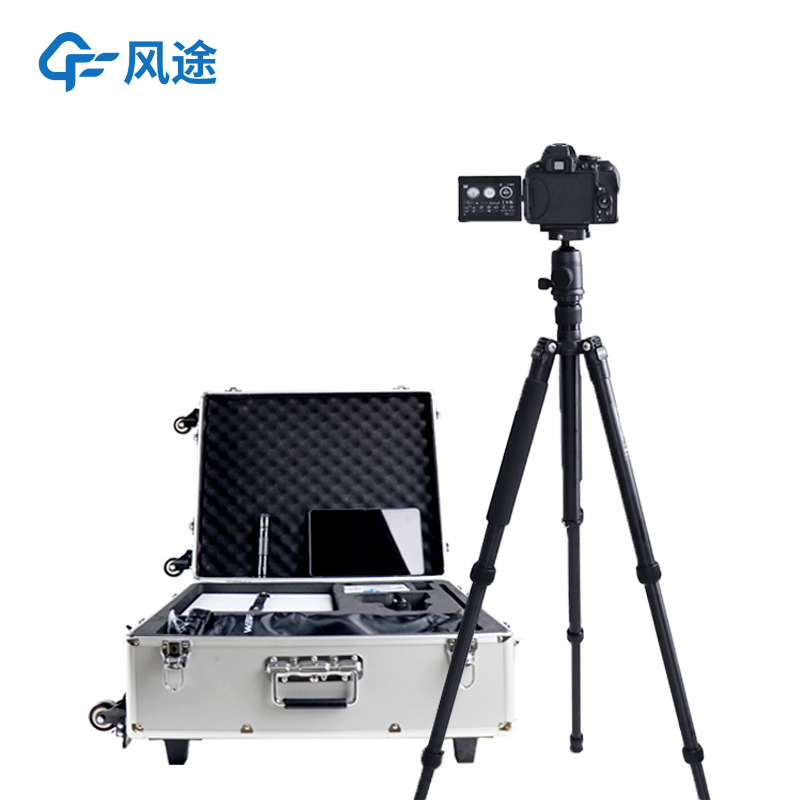
In the modern meteorological monitoring system, the Visibility sensor has achieved functional expansion and upgrade. It can not only accurately monitor visibility but also identify various weather phenomena, so it is called a visibility weather phenomenon instrument.This instrument is mainly based o...
Negative oxygen ions have many benefits for human health. It can help the ciliary movement of the respiratory tract, making sputum easier to cough up, alleviating the symptoms of respiratory diseases such as bronchitis and asthma. It can also regulate the nervous system, relieve tension and anxiety,...
A "natural oxygen bar" is a treasured place bestowed by nature upon humanity, where the air is exceptionally fresh and rich in a high concentration of negative oxygen ions.Negative oxygen ions can be regarded as the "vitamins" in the air. After entering the human body through the...
This system is a fully digital electric field detection and lightning early warning platform. Its core electric field detection structure is based on the principle of charge induction and developed using MEMS (Micro-Electro-Mechanical Systems) technology. It eliminates easily worn moving mecha...


 Skype
Skype
 whatsapp
 mail
mail