Shandong Fengtu IOT Technology Co., Ltd
Sales Manager:Ms. Emily Wang
Cel,Whatsapp,Wechat:+86 15898932201
Email:info@fengtutec.com
Add:No. 155 Optoelectronic Industry Accelerator, Gaoxin District, Weifang, Shandong, China


Sales Manager:Ms. Emily Wang
Cel,Whatsapp,Wechat:+86 15898932201
Email:info@fengtutec.com
Add:No. 155 Optoelectronic Industry Accelerator, Gaoxin District, Weifang, Shandong, China
time:2026-09-17 09:53:44 source:Weather Station viewed:27 time
The ground-based electric field meter is a specialized, high-precision device designed for lightning monitoring and early warning. It captures real-time dynamic changes in the atmospheric electric field and accurately identifies the status of thunderstorm activity. With its stable performance, it is suitable for diverse sectors—including meteorology, electric power, the chemical industry, and agriculture/forestry—providing reliable data and advance warnings for lightning disaster prevention and control.
Operating on the principle of field-mill induction, this professional monitoring device primarily measures the intensity and polarity changes of the near-surface atmospheric electric field, serving as a core tool for the proactive detection of lightning. It features a measurement range of -100 kV/m to +100 kV/m and a precision of ±0.001% F.S. With a response time of just three seconds, it rapidly captures electric field fluctuations during the formation of thunderclouds, enabling data collection and situational analysis before lightning strikes occur—thereby overcoming the latency issues associated with traditional lightning monitoring methods. Housed in a 6061 aluminum alloy casing for excellent environmental adaptability, the device utilizes low-power 12V DC operation and standard Modbus-485 communication, ensuring stable performance for long-term, continuous outdoor monitoring.
In the field of meteorology, the ground-based electric field meter is a vital tool for routine monitoring at weather stations, enabling continuous observation of regional atmospheric electric fields and the accumulation of precise data. Meteorological agencies use the collected electric field data to analyze the probability, intensity, and evolution of lightning activity. By forecasting the development of thunderstorms and issuing standardized early warnings in a timely manner, the device provides authoritative data to ensure safety in sectors such as aviation, maritime operations, and outdoor public works, while supporting the standardized development of meteorological disaster warning systems.
Ground-based electric field meters are widely used in high-risk lightning environments and can be deployed at critical sites such as petrochemical plants, power facilities, communication base stations, and high-rise buildings. The device enables real-time monitoring of the surrounding electric field; once data exceeds preset safety thresholds, it immediately triggers an alert, assisting personnel in promptly implementing protective measures—such as halting operations and shutting down equipment—thereby effectively preventing equipment damage and casualties caused by lightning strikes and reducing economic losses from lightning-related disasters. Additionally, in the agricultural and forestry sectors, the device provides early warnings of lightning activity, guides the rational scheduling of farming operations, and helps prevent forest fires ignited by lightning, comprehensively supporting safe production and resource protection across various industries.
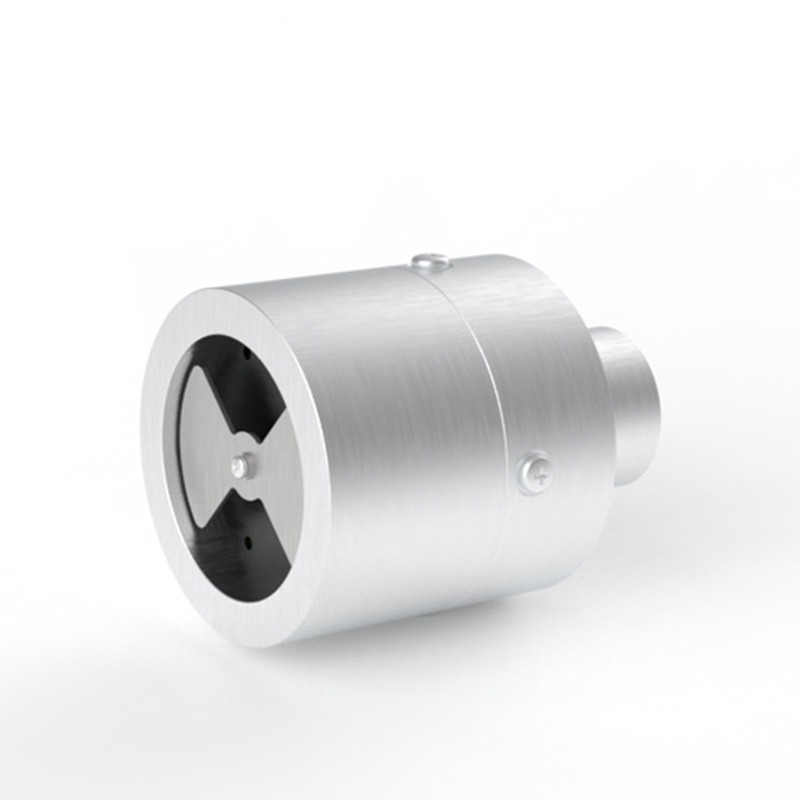
Agricultural Environment Monitoring System is a farmland meteorological observation device integrating multiple sensors. It can monitor parameters such as temperature, humidity, wind speed, wind direction, rainfall, sunlight, radiation, carbon dioxide, and soil temperature, humidity, conductiv...
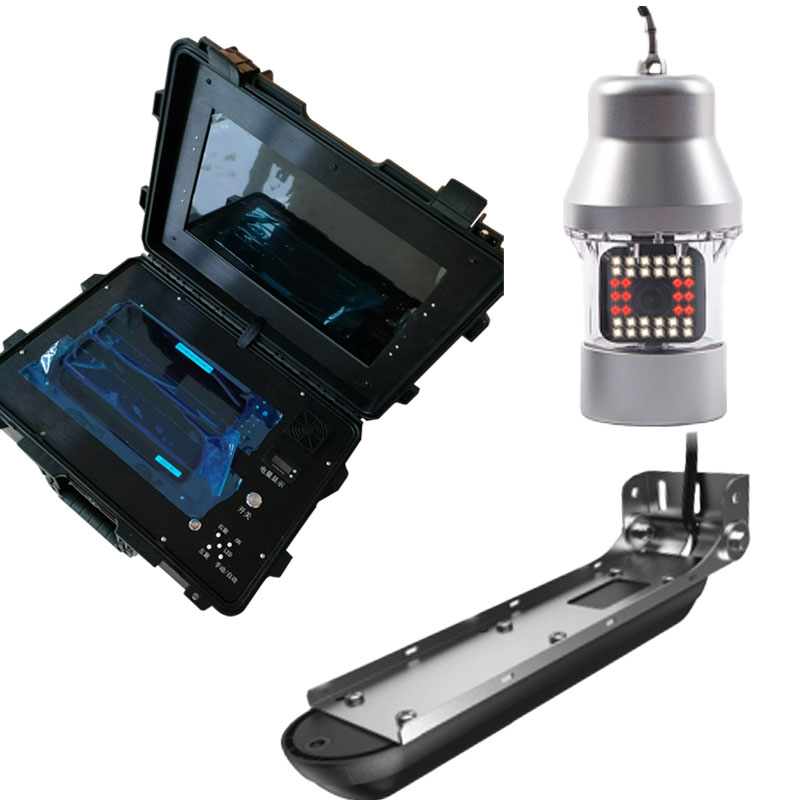
Crop Growth Monitoring utilizes high-definition video cameras to provide real-time monitoring of crop growth and development, supporting both daytime visual imaging and nighttime infrared imaging. The device integrates meteorological sensors, soil moisture sensors, and pest forecasting lamps t...
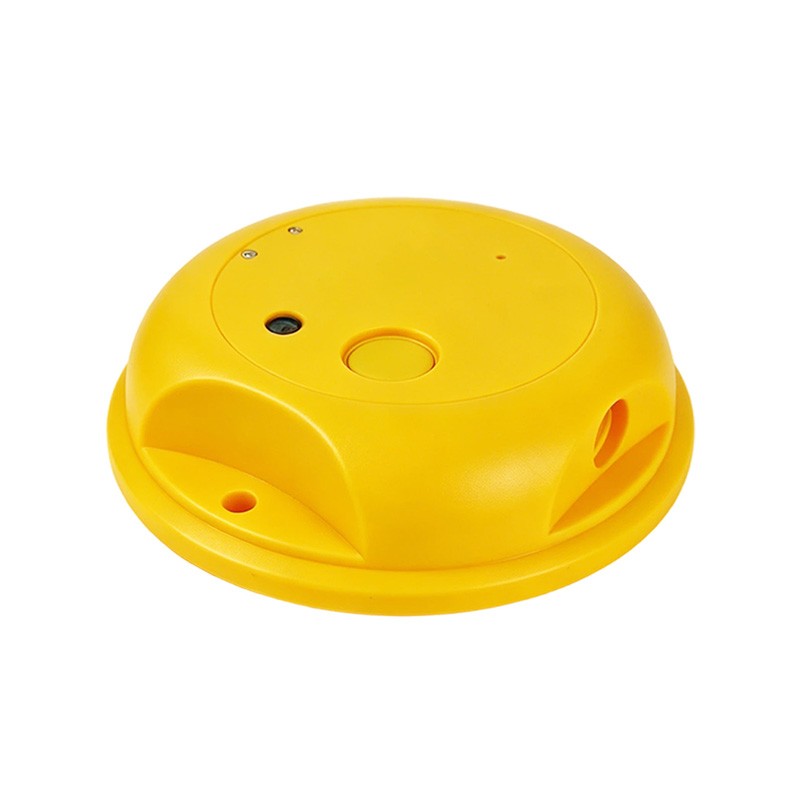
This lamp uses a light source with wavelengths from 320nm to 680nm to attract pests. A fan then draws the insects into the collection box using negative pressure airflow, causing them to dry and dehydrate. It is solar-powered and operates normally even in rainy weather. A single lamp can cover...
The coal mine lightning early warning system employs MEMS charge sensing technology and electric field differential optimization algorithms to monitor changes in the atmospheric electric field in real time and issue automatic warnings. This transforms traditional passive lightning protection i...


 Skype
 whatsapp
 mail