Shandong Fengtu IOT Technology Co., Ltd
Sales Manager:Ms. Emily Wang
Cel,Whatsapp,Wechat:+86 15898932201
Email:info@fengtutec.com
Add:No. 155 Optoelectronic Industry Accelerator, Gaoxin District, Weifang, Shandong, China


Sales Manager:Ms. Emily Wang
Cel,Whatsapp,Wechat:+86 15898932201
Email:info@fengtutec.com
Add:No. 155 Optoelectronic Industry Accelerator, Gaoxin District, Weifang, Shandong, China
time:2026-09-10 10:40:10 source:Weather Station viewed:21 time
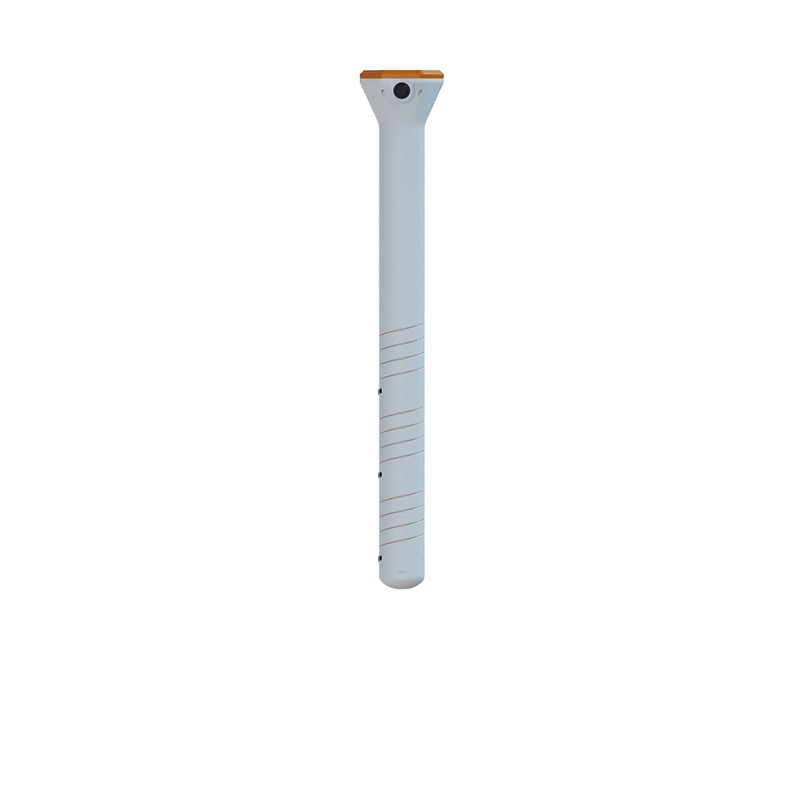
Soil Moisture Sensor enables stratified monitoring of soil profile temperature, moisture, and electrical conductivity. It supports customizable monitoring depths, utilizes dielectric constant modeling for precise calculation, adapts to diverse soil conditions, and is widely used in smart agriculture and intelligent irrigation projects.
Soil Moisture Sensor serves as a core device for modern agricultural soil monitoring. Integrating multiple functions, it simultaneously measures three key parameters—soil profile temperature, moisture, and electrical conductivity—overcoming the limitations of traditional single-parameter devices and meeting the demands of modern smart agriculture. While supporting a standard three-layer monitoring mode, the device allows for customization of up to ten monitoring layers based on specific field cultivation or research requirements; this ensures comprehensive coverage of the soil profile where crop roots grow, guaranteeing the completeness and validity of the monitoring data.
Soil Moisture Sensor employs proven measurement technologies, utilizing dielectric constant detection and specialized mathematical models alongside helical electrodes to capture soil volumetric water content data with stability and precision. It operates on a DC12V power supply with a 22mA working current and a rated power consumption of only 0.26W, ensuring low energy usage and robust operational stability. With a 60-second startup time, it quickly enters an operational state, meeting the needs for long-term, continuous field monitoring. For communication, it utilizes the RS-485 Modbus RTU protocol, ensuring stable data transmission and strong compatibility for integration with various agricultural IoT monitoring systems.
In terms of measurement performance, Soil Moisture Sensor offers broad parameter ranges and high resolution. The soil temperature measurement range spans -30°C to 70°C, with an accuracy of ±0.3°C under standard conditions. Soil moisture measurement covers the full 0–100% range with stable accuracy in standard loam, while the electrical conductivity range extends up to 20,000 µS/cm, accommodating soils with varying salinity levels. The device supports customized calibration for specialized soil types—such as those with high organic matter or clay content—effectively enhancing monitoring accuracy in complex soil environments. Thanks to its stable performance and flexible adaptability, the Soil Moisture Sensor is widely used in various agricultural settings—such as smart greenhouses, smart orchards, and intelligent farmland irrigation systems. By capturing real-time soil profile data, it provides a reliable foundation for precision irrigation, field soil environment regulation, and crop management, effectively driving the transformation of traditional agriculture toward digitalization, precision, and intelligence.
As industrialization speeds up and cities expand, air quality has become a growing concern. Traditional fixed - station air quality monitoring offers precise data but has drawbacks like high costs, limited monitoring areas, and inability to collect continuous spatiotemporal data. Mobile air quality...
The atmospheric electric field mill is a lightning monitoring device based on the "field mill" principle. By measuring the intensity and fluctuations of the atmospheric electric field at ground level, it infers the charge state of thunderstorm clouds and issues lightning warnings 5 t...
In the modern transportation system, accurately grasping traffic conditions is crucial for ensuring travel safety and improving traffic efficiency. This relies on a series of advanced instruments, among which Weather Visibility Sensors, Road Condition Sensors, and Laser-based Snow Depth Sensors help...
Ground-based electric field strength meters detect lightning activity signals by monitoring changes in the atmospheric electric field strength in real time, triggering an alarm when the electric field strength exceeds a preset threshold. The equipment uses high-precision electric field sensors...



 Skype
 whatsapp
 mail