Shandong Fengtu IOT Technology Co., Ltd
Sales Manager:Ms. Emily Wang
Cel,Whatsapp,Wechat:+86 15898932201
Email:info@fengtutec.com
Add:No. 155 Optoelectronic Industry Accelerator, Gaoxin District, Weifang, Shandong, China


Sales Manager:Ms. Emily Wang
Cel,Whatsapp,Wechat:+86 15898932201
Email:info@fengtutec.com
Add:No. 155 Optoelectronic Industry Accelerator, Gaoxin District, Weifang, Shandong, China
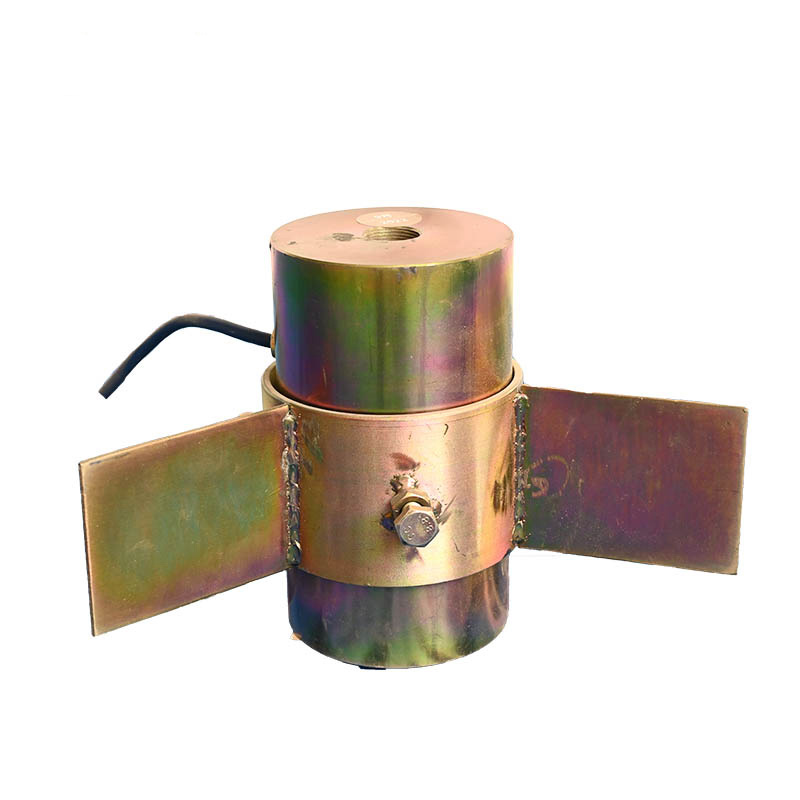
Model:FT-ZL2
Brand:fengtu
1.Axial force meter product introduction
This series of Axial force meter, also known as reaction meter, is a vibrating string force sensor with the advantages of high resolution, strong anti-interference performance, sensitive response to concentrated loads, stable performance, etc. It can measure the reaction force of the foundation on the superstructure, the axial force of the steel support and the load during the static pile test for a long time. If a temperature sensor is installed, the temperature of the installation point can be measured synchronously.
2. Application scenarios of axial force meter
Bridges, tunnels, rail transit, buildings, roads
3. Features of Axial force meter
1. Imported steel strings, stable temperature performance and long service life
2. Built-in temperature sensor for easy temperature compensation
3. The main components are treated with special surface treatment technology, suitable for use in harsh environments
4. High resolution, strong anti-interference ability, and sensitive response to concentrated loads
4. Axial force meter technical parameters
Range: 1000kN, 2000kN, 3000kN, 4000kN, 5000kN, 6000kN
Resolution: 0.1%FS
Working temperature: -20℃~+60℃
Temperature measurement accuracy: ±0.5℃
Designed for installation on power pylons, these meteorological monitoring stations collect data on wind speed, wind direction, temperature, humidity, atmospheric pressure, and rainfall. This information is transmitted to a monitoring center via GPRS or fiber optics, with alerts pushed directly to t...
Microclimate refers to the special climate formed in the atmosphere of a local area, which is different from the macroclimate, due to differences in underlying surface factors such as surface properties, terrain, and vegetation. Compared with the macroclimate, the microclimate is closer to human pro...
Visibility can be measured by visual observation, relying on manual inspection to estimate the visibility distance based on whether a certain reference object is visible. This method is simple and intuitive, but it is highly subjective and has poor standardization and objectivity.We recommend using...
The Visibility Sensor is a specialized sensor device designed for automatic and continuous monitoring of atmospheric visibility, playing a vital role in fields such as meteorological observation and environmental monitoring. Its core working mechanism is based on the principle of forward scattering....


 Get a Free Quote
 Skype
 whatsapp
 mail