Shandong Fengtu IOT Technology Co., Ltd
Sales Manager:Ms. Emily Wang
Cel,Whatsapp,Wechat:+86 15898932201
Email:info@fengtutec.com
Add:No. 155 Optoelectronic Industry Accelerator, Gaoxin District, Weifang, Shandong, China


Sales Manager:Ms. Emily Wang
Cel,Whatsapp,Wechat:+86 15898932201
Email:info@fengtutec.com
Add:No. 155 Optoelectronic Industry Accelerator, Gaoxin District, Weifang, Shandong, China
time:2026-08-14 10:55:50 source:Weather Station viewed:32 time
The lightning location instrument is a fully digital electric field detection and lightning warning platform. Utilizing MEMS technology and optimized warning algorithms, it reduces false alarms in windy, rainy, and dusty environments. It can be deployed in a network and is suitable for short-term lightning warnings in power grids, mines, oil depots, and other fields.
The lightning location instrument is a fully digital electric field detection and lightning warning platform. The core electric field detection structure relies on the principle of charge induction and is developed using MEMS microelectromechanical systems technology. The entire device has no easily worn moving mechanical parts such as motors. It features small size, low power consumption, high reliability, and easy integration, making it suitable for long-term continuous operation in various outdoor industrial scenarios.
This system uses a lightning warning algorithm optimized by combining electric field differentiation with threshold values. Compared to traditional methods that rely solely on threshold values, this effectively reduces false alarms caused by environmental factors such as rain, strong winds, snowfall, and dust, improving the overall accuracy of lightning warnings. The equipment relies on the acoustic, optical, and electromagnetic field characteristics generated by lightning radiation to remotely measure various parameters of lightning discharge and acquire real-time data on changes in the atmospheric electric field, thereby determining the development status of thunderstorm activity.
The lightning location instrument consists of a lightning warning probe, a data processing host, a solar power supply system, a surge system, a grounding system, temperature, humidity, and air pressure sensors, a three-level audible and visual alarm, and a cloud-based data query and display module. The equipment's electric field measurement range is -100kV/m to 100kV/m, with a resolution of 0.1V/m and a detection radius of up to 15km. The sensor weighs 710g, and the entire unit weighs 36kg. These hardware parameters meet the requirements for large-scale localized lightning monitoring.
The lightning location instrument supports network operation, has a simple on-site installation process, and is suitable for atmospheric electric field detection and short-term lightning warning needs in various industries. It is widely used in aerospace, defense, meteorology, oil and petrochemical, power grids, scenic areas, mines, oil depots, and other locations. In practical deployment, the solar power system can ensure continuous operation without external power supply points, the surge and grounding system ensures the safe operation of equipment during thunderstorms, the audible and visual alarms provide on-site graded alarms, and the cloud module can remotely retrieve real-time monitoring data to help managers deal with the safety risks brought by lightning in advance.
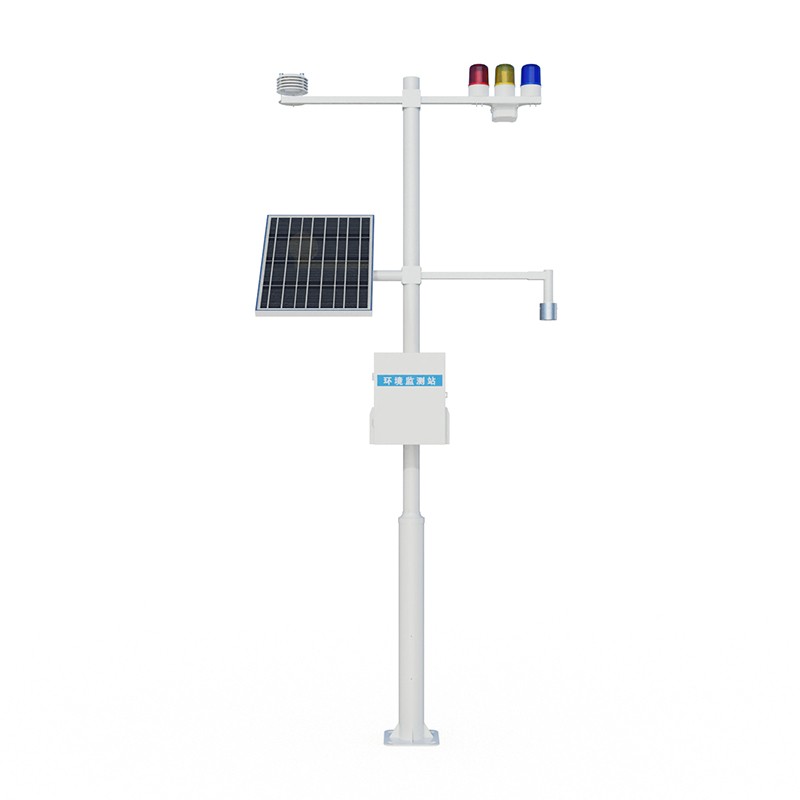
Soil moisture sensors utilize the Frequency Domain Reflectometry (FDR) principle, achieving an accuracy range of ±2% to ±3%. Certain models support the simultaneous measurement of soil temperature, moisture, and electrical conductivity across multiple soil profile layers, making them suitabl...
Specifically developed for monitoring the local meteorological environment along transmission tower corridors, the system collects parameters such as wind speed, wind direction, temperature, humidity, air pressure, and rainfall in real time. This data is transmitted to the monitoring center vi...
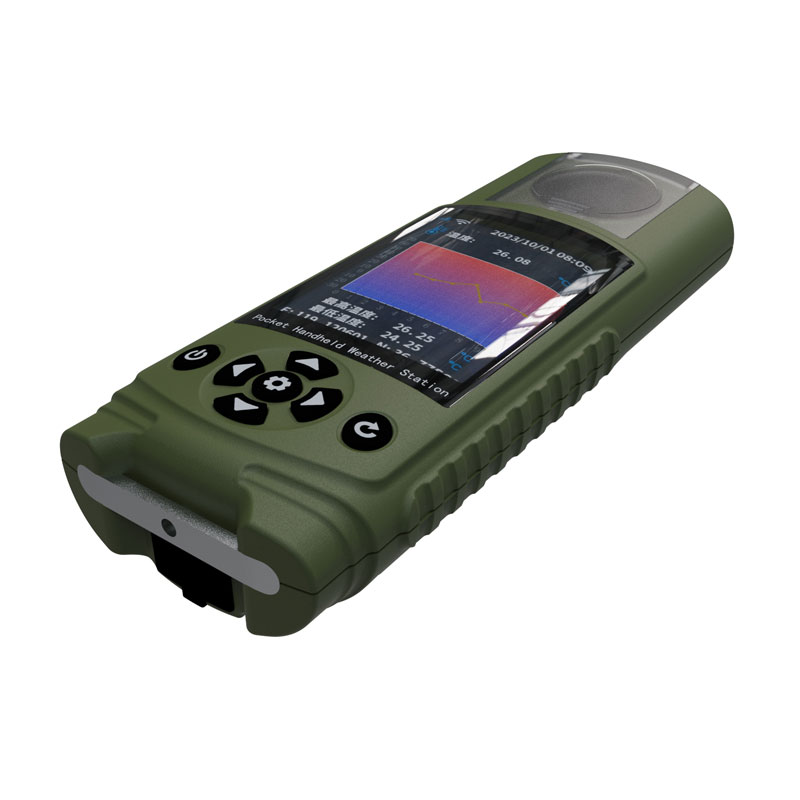
One of the advantages of the Portable Weather Station is its convenient deployment capability. When natural disasters or emergencies occur, time is critical, and traditional fixed weather stations cannot be quickly transferred to the affected areas. However, the Portable Weather Station is small in...
The online micro-meteorological monitoring system for transmission lines is a multi-element meteorological monitoring device installed on power transmission towers. It integrates sensors for temperature and humidity, wind speed and direction, rainfall, air pressure, and light intensity, transm...


 Skype
Skype
 whatsapp
 mail
mail