Shandong Fengtu IOT Technology Co., Ltd
Sales Manager:Ms. Emily Wang
Cel,Whatsapp,Wechat:+86 15898932201
Email:info@fengtutec.com
Add:No. 155 Optoelectronic Industry Accelerator, Gaoxin District, Weifang, Shandong, China


Sales Manager:Ms. Emily Wang
Cel,Whatsapp,Wechat:+86 15898932201
Email:info@fengtutec.com
Add:No. 155 Optoelectronic Industry Accelerator, Gaoxin District, Weifang, Shandong, China
time:2025-10-09 09:37:06 source:Weather Station viewed:494 time
Visibility, defined as the maximum horizontal distance at which a normal-sighted person can distinguish a target from its background, is a critical parameter in meteorology, transportation, environmental protection, and national defense.
Early visibility measurements mainly relied on visual observations by meteorological observers, who judged visibility by observing surrounding reference objects of known distances (such as tall buildings and mountains). This method was highly subjective, greatly influenced by personal eyesight, experience, and lighting conditions, and could not perform accurate measurements at night or in severe weather.
Subsequently, transmissometer visibility meters and forward scatter visibility meters were developed. These devices offer high precision and reliable data but are relatively large, complex to install, and require fixed bases and power supplies. They are mainly used at key locations such as airports, highway weather stations, and ports.
Many situations require rapidly deployable, flexible visibility monitoring equipment. In response to this need, we have launched the Handheld Visibility Detector.
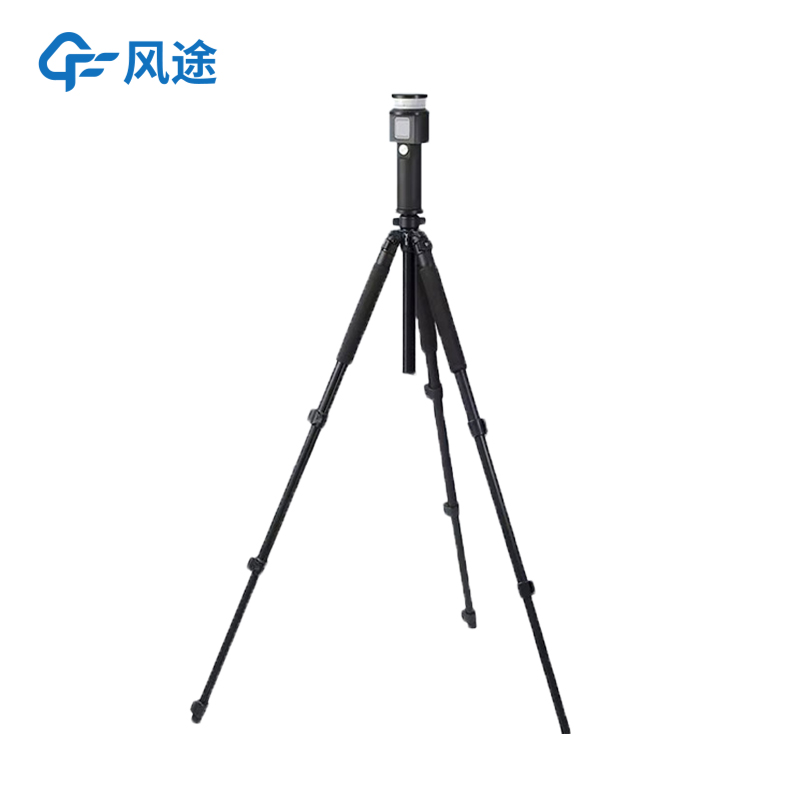
The Handheld Visibility Detector is a miniaturized, integrated, handheld or portable visibility automatic observation instrument that integrates modern microelectronics technology, optoelectronic technology, and battery technology. It features a compact design, lightweight construction, simple operation, and can quickly start up and display visibility values in real-time.
Currently, most mainstream Handheld Visibility Detectors adopt the "forward scatter principle" because it is easier to achieve miniaturization and low power consumption.
The instrument emits a beam of light into the air and calculates the atmospheric extinction coefficient by detecting the intensity of scattered light from particles in the air at specific forward angles. Finally, according to Koschmieder's law, the extinction coefficient is converted into meteorological optical range, which is the visibility value we commonly refer to.
The complete device is equipped with a small tripod, weighs within a few kilograms, comes with a carrying case, and can be easily carried and transported by a single person.
It has a built-in rechargeable lithium battery that can support continuous operation for several hours to dozens of hours, meeting the needs of long-term field operations.
It is suitable for highway fog warning and on-site monitoring, traffic accident scene investigation, and temporary runway monitoring at ports and airports.
The translation maintains the technical precision of the original Chinese text while ensuring professional terminology consistency throughout the document, making it suitable for technical reports or product documentation in the meteorological equipment field.
In meteorological monitoring, accurate rainfall data is an important basis for the accuracy of weather forecasts. Traditional mechanical rain gauges have problems such as slow response, easy wear, and frequent maintenance, making it difficult to meet the needs of real-time and accurate rainfall moni...
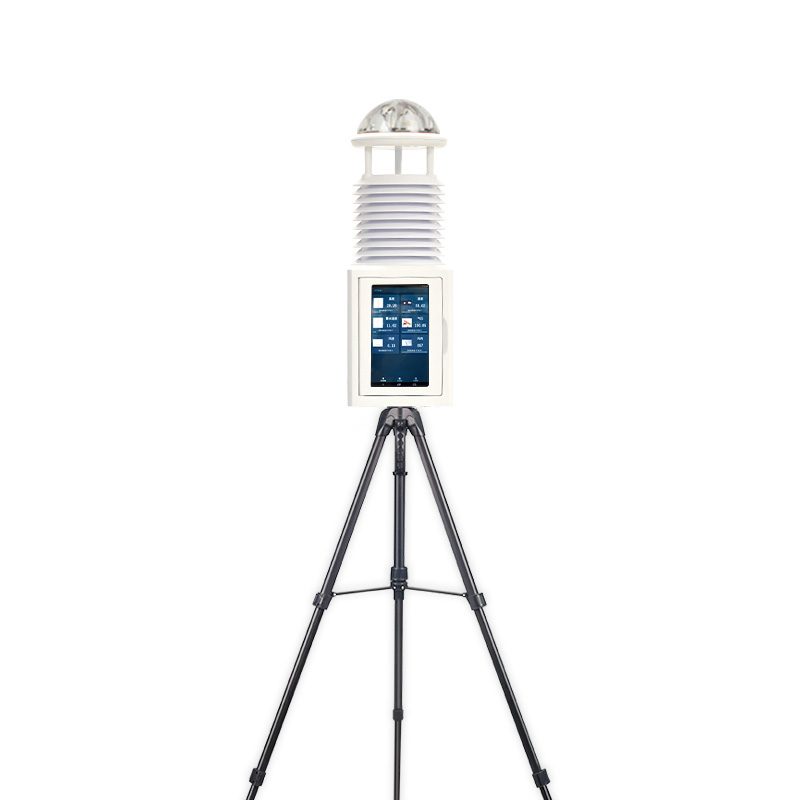
Portable Weather Station FT-BQX8. This is a high-precision automatic weather observation device produced by Fengtu Technology. It is highly integrated, low power consumption, and can be quickly installed, making it particularly suitable for field monitoring.It can simultaneously observe eight key en...
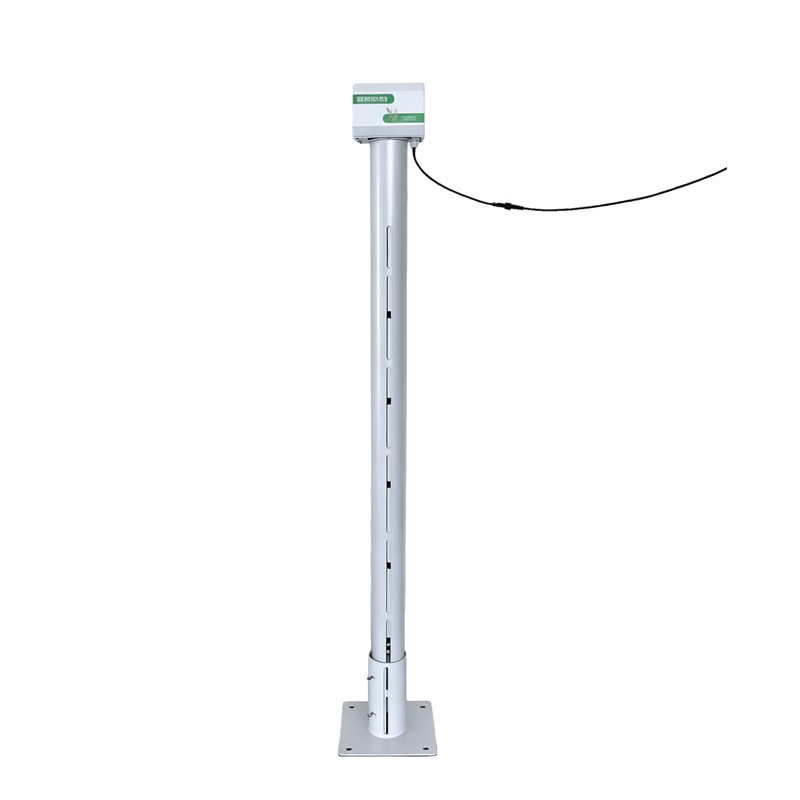
The deployment and use of greenhouse sensors is a very important and critical part of my country's agricultural production at present. Due to the complex and changeable environmental conditions of the greenhouse, it is necessary to select and arrange reasonably according to different needs in th...
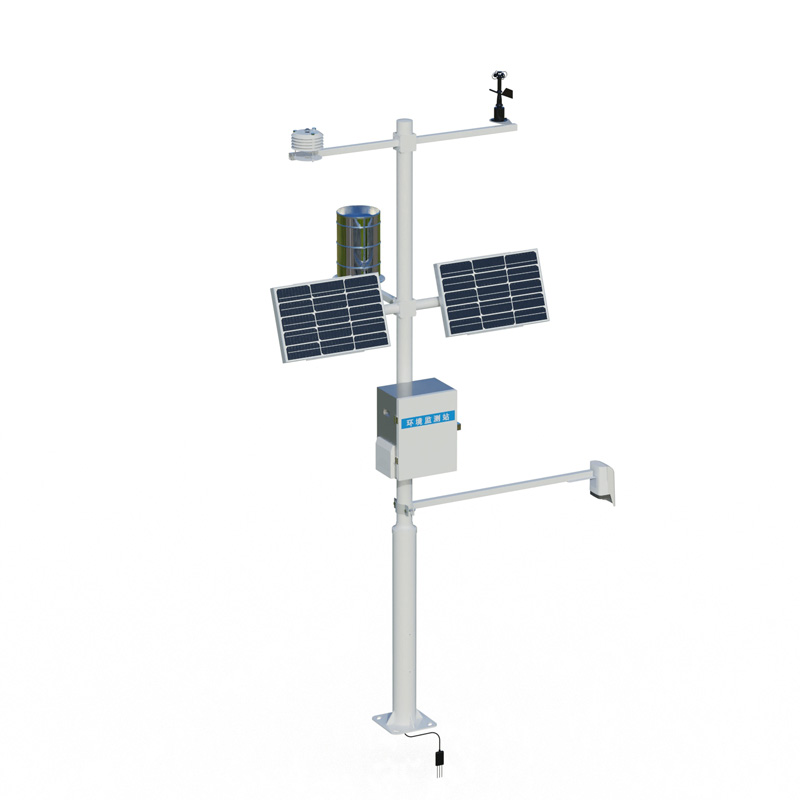
In the field of agricultural production, the 14 - element Agricultural Meteorological Stations mainly consist of meteorological sensors, collectors, solar power supply systems, pole brackets, and cloud platforms. Meteorological sensors are responsible for sensing and measuring various meteorological...


 Skype
Skype
 whatsapp
 mail
mail