Shandong Fengtu IOT Technology Co., Ltd
Sales Manager:Ms. Emily Wang
Cel,Whatsapp,Wechat:+86 15898932201
Email:info@fengtutec.com
Add:No. 155 Optoelectronic Industry Accelerator, Gaoxin District, Weifang, Shandong, China


Sales Manager:Ms. Emily Wang
Cel,Whatsapp,Wechat:+86 15898932201
Email:info@fengtutec.com
Add:No. 155 Optoelectronic Industry Accelerator, Gaoxin District, Weifang, Shandong, China
time:2026-06-01 10:57:04 source:Weather Station viewed:166 time
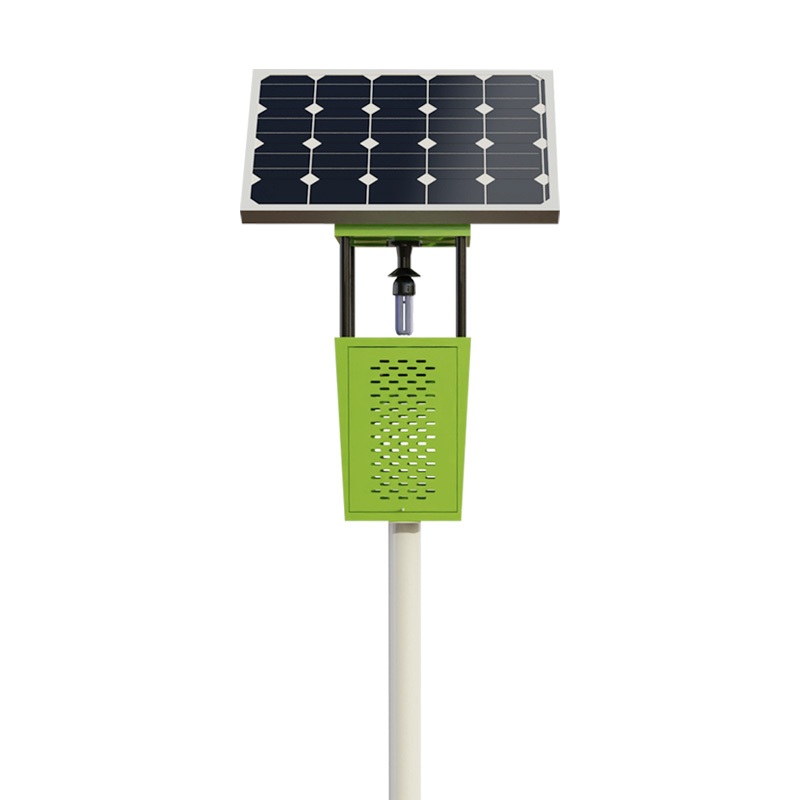
Solar-powered insecticidal lamps are physical pest control devices that utilize the phototaxis, wave attraction, color attraction, and other behavioral characteristics of insects, powered by solar energy. The device consists of a solar panel, controller, battery, and insecticidal lamps. Combined with a high-voltage killing net, drowning device, or frequency-vibrating lamp tubes, it can achieve pest control, covering an area of 40-50 acres. The device has a built-in light control module for automatic start-up and shutdown at night. It is widely used in agriculture, forestry, warehousing, and landscaping, reducing pesticide use and pesticide residues.
Solar-powered insecticidal lamps are specialized devices that attract and effectively kill insects by using a specific spectral range of light sources that insects are sensitive to, based on the phototaxis of insects. This reduces pest indices and controls pests and vector-borne diseases. This device uses solar panels as its power source, storing the electricity generated during the day and discharging it at night to power insecticidal lamps. This attracts pests to the light source, where a high-voltage killing net kills the pests, causing them to fall into a special collection bag, thus achieving pest control.
The solar-powered insecticidal lamp consists of the following components: solar panels, a controller, a battery bank, a black light lamp housing, and a lamp pole. The system works by charging the battery bank during the day under the controller's control, and then supplying power to the insecticidal lamp at night. The solar-powered insecticidal lamp requires no mains power, no trenching or wiring, operates from darkness to dawn, and is safe for humans and livestock. It can be used for field pest control and also as a pest monitoring tool. A single lamp can control an area of approximately 30 acres, typically between 30 and 60 acres. The installation height is approximately 2 meters, and it is equipped with an automatic shut-off device for rainy days. It can attract and kill 1326 species of pests, including Lepidoptera and Coleoptera.
Currently, the mainstream solar-powered insecticidal lamps on the market are mainly divided into frequency vibration type, electric shock type, and wind suction type. Frequency vibration type solar-powered insecticidal lamps utilize 365±50nm wavelength light, which has strong phototaxis, wave-taxis, and tacticism characteristics towards insects, attracting pests to the light source. An external high-voltage electric grid kills or stuns the flying pests, achieving the purpose of pest control. Wind suction type solar-powered insecticidal lamps use an insect-attracting light source and a wind suction negative pressure device to collect pests. A fan generates airflow that sucks the insects into the collector, drying them and achieving the purpose of killing them. This type of device is more efficient at killing small pests. Wind suction devices, when equipped with an IoT module, support remote monitoring and data upload. They can be controlled via a mobile app and web interface, allowing users to check the device's location, on/off status, and other information without leaving home, while also enabling remote alarm functions.
Solar-powered insecticidal lamps can be widely used in agriculture, forestry, vegetable farming, warehousing, tea cultivation, tobacco production, landscaping, orchards, greenhouses, vineyards, and aquaculture. They can attract and kill 1326 major pests, including those affecting vegetables, rice, cotton, fruit trees, forests, and storage facilities. Compared to traditional pesticides, solar-powered insecticidal lamps are more environmentally friendly, offer better control, and significantly reduce pesticide use and pest infestation. This not only ensures crop yield but also effectively improves crop quality. In practical applications, solar-powered insecticidal lamps have become a core component of green pest control systems, providing a reliable physical means of pest control in farmland, orchards, and tea gardens.
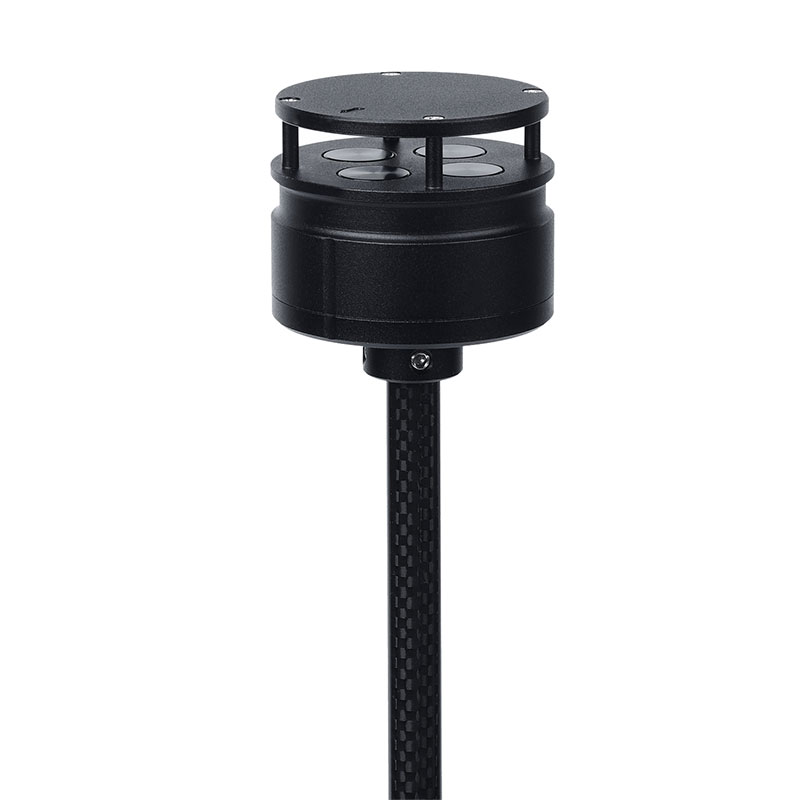
Drone-based meteorological environment monitoring is flexible and efficient, capable of reaching areas that are difficult to access with traditional monitoring methods. The FT-F3 meteorological sensors for drones are professional meteorological monitoring devices tailored for drones.The design of FT...
electric field monitor is a fully digital electric field detection and early warning platform, developed based on the principle of charge induction and MEMS technology, eliminating easily worn components such as motors. The system employs an electric field differentiation combined with a thres...
Agrometeorology is of great significance to agricultural production. It is related to the yield of field crops, affects the prevalence of pests and diseases, water supply and fertilization amount, etc., determines the types of crops to be planted and sowing time. Most agricultural techniques also de...
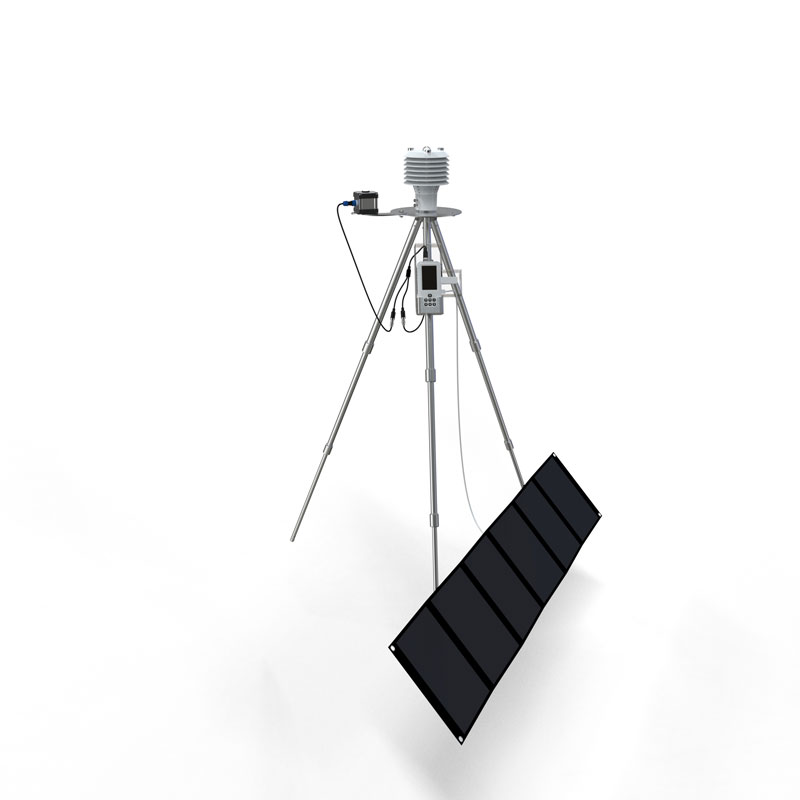
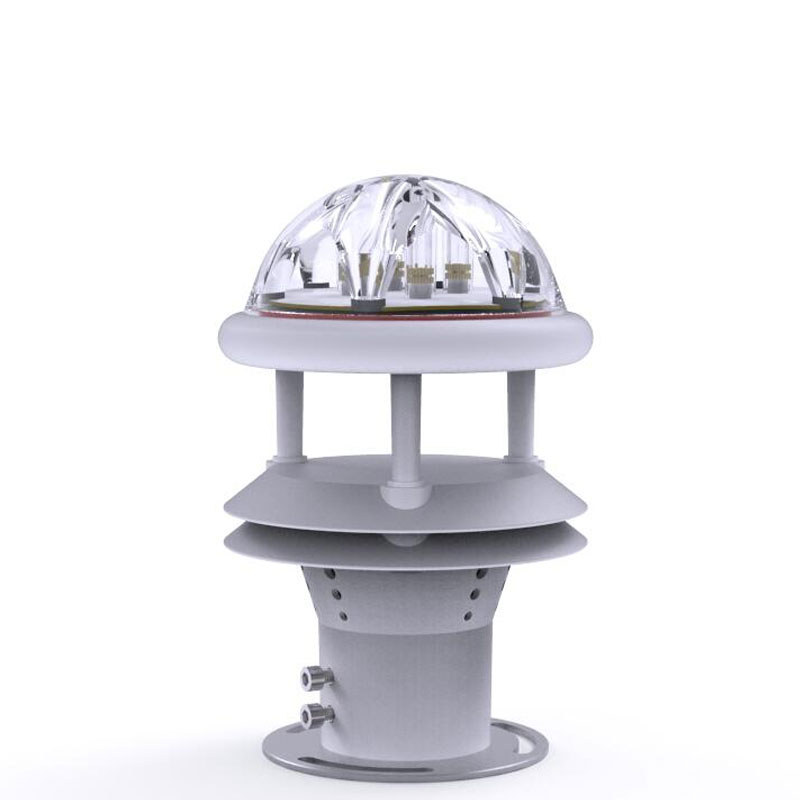
Six-Parameter Automatic Weather Station integrates six sensors—measuring wind speed, wind direction, temperature, humidity, air pressure, and optical rainfall—and outputs all parameters simultaneously via a digital communication interface. The system consists of a meteorological sensor unit,...


 Skype
Skype
 whatsapp
 mail
mail