Shandong Fengtu IOT Technology Co., Ltd
Sales Manager:Ms. Emily Wang
Cel,Whatsapp,Wechat:+86 15898932201
Email:info@fengtutec.com
Add:No. 155 Optoelectronic Industry Accelerator, Gaoxin District, Weifang, Shandong, China


Sales Manager:Ms. Emily Wang
Cel,Whatsapp,Wechat:+86 15898932201
Email:info@fengtutec.com
Add:No. 155 Optoelectronic Industry Accelerator, Gaoxin District, Weifang, Shandong, China
time:2025-08-19 09:31:01 source:Weather Station viewed:471 time
In conventional understanding, atmospheric visibility is influenced by subjective factors, but it is essentially an objective phenomenon. In meteorology, this phenomenon is defined by optical path length: specifically, it refers to the distance a parallel light beam (emitted by an incandescent lamp with a color temperature of 2700K) travels in the atmosphere when its luminous flux attenuates to 5% of the initial value. In daily ground meteorological observations, the unified unit of measurement for this indicator is meters (m).
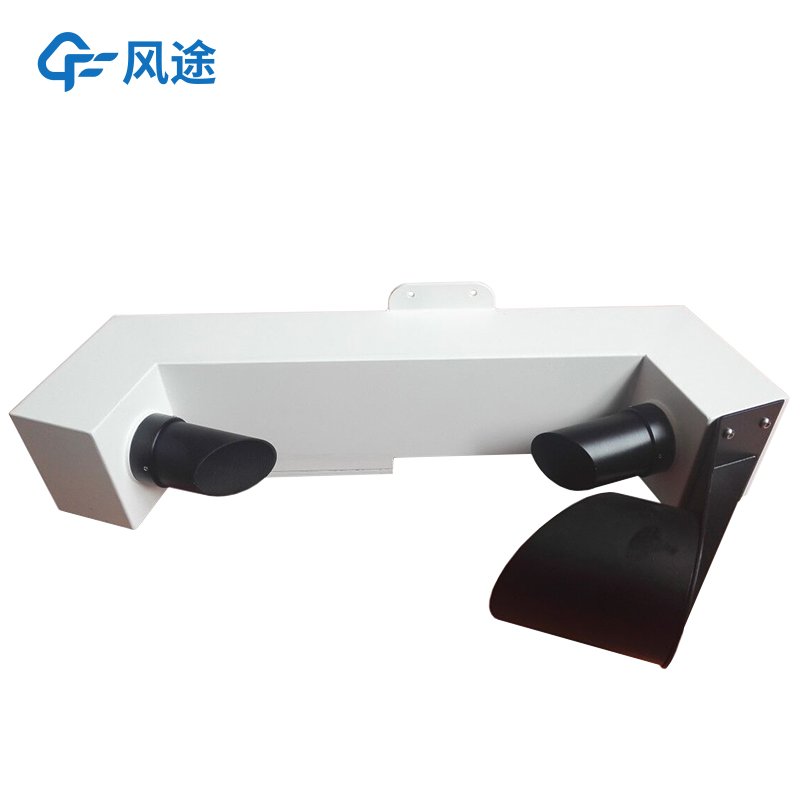
The Visibility Sensor adopts an integrated design. It not only has a simplified overall structure and easy installation and operation but also is applicable to a wide variety of scenarios.
In terms of device composition, the Visibility Sensor consists of three core components: a transmitter, a receiver, and a processing unit. Its application scope is extremely broad, covering:
Road Weather Information Systems (RWIS)
Heavy fog monitoring networks
Offshore drilling platforms
Heavy fog early warning and control systems
Airport Weather Observation Systems (AWOS)
Border security monitoring
Cooling tower smoke detection
Air quality assessment in highway and railway tunnels
Optical communication link testing
Routine meteorological data monitoring
Port safety protection
For users with personalized needs, customized versions of the device can be obtained by putting forward customization requirements based on their actual application scenarios.
A prominent advantage of this instrument is its ability to stably identify precipitation type and actual precipitation amount, and integrate data on precipitation type and intensity into the visibility calculation process. It can generate and submit Meteorological Optical Range (MOR) reports in strict accordance with the specifications of the World Meteorological Organization (WMO).
Fengtu Technology is a supplier of weather station monitoring equipment. At present, the company has a variety of equipment, such as automatic weather stations, portable weather stations, handheld weather stations, weather sensors, etc., and also provides professional services....
In modern society, the measurement of visibility is of great significance. In terms of meteorological research, visibility data is a crucial element for analyzing atmospheric characteristics. Its value can reflect the conditions of water vapor and particulate matter in the atmosphere, helping meteor...
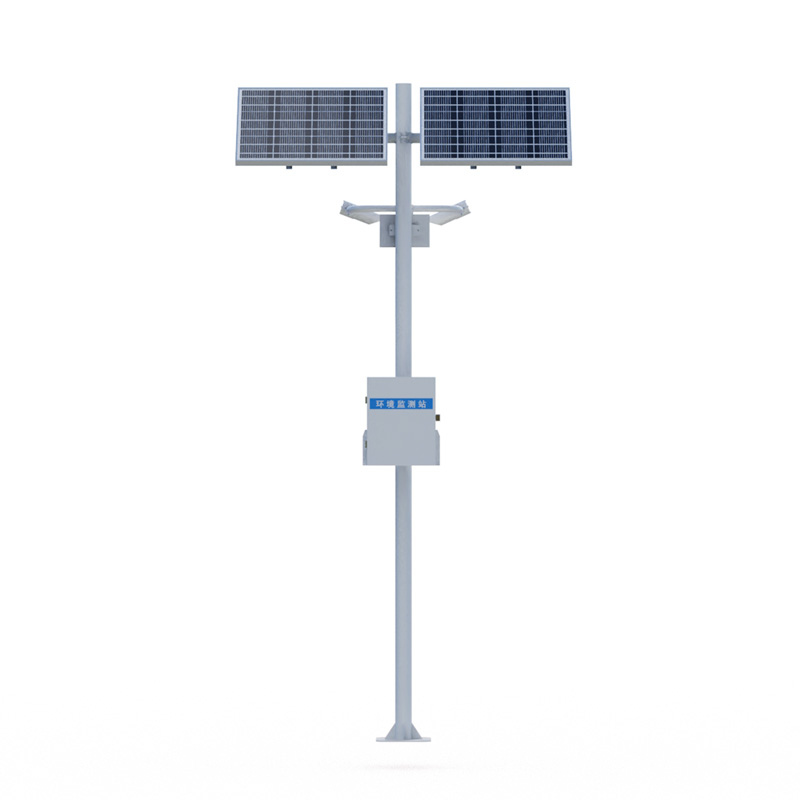
The scenic area meteorological station can achieve diversified monitoring functions through the all-round three-dimensional real-time monitoring of "land, sea and air". It can monitor multiple environmental parameters including air quality, water quality, noise level, temperature, humidity...
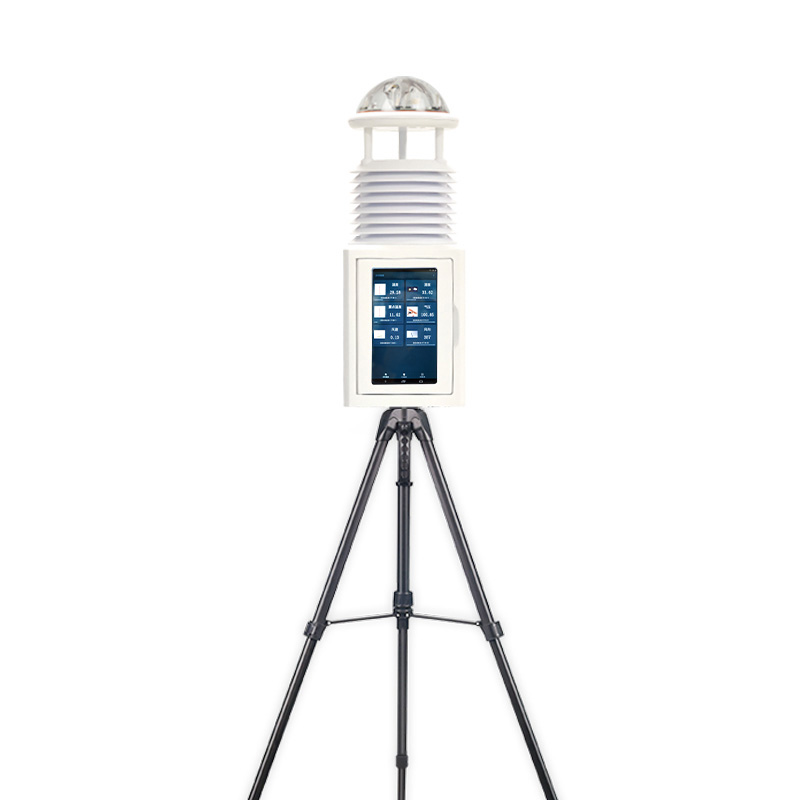
The intelligent weather station is a highly integrated, low-power, and quickly installable high-precision automatic meteorological observation device. It can monitor meteorological elements such as wind speed, wind direction, temperature, humidity, air pressure, optical rainfall, PM2.5, PM10,...


 Skype
Skype
 whatsapp
 mail
mail