Shandong Fengtu IOT Technology Co., Ltd
Sales Manager:Ms. Emily Wang
Cel,Whatsapp,Wechat:+86 15898932201
Email:info@fengtutec.com
Add:No. 155 Optoelectronic Industry Accelerator, Gaoxin District, Weifang, Shandong, China


Sales Manager:Ms. Emily Wang
Cel,Whatsapp,Wechat:+86 15898932201
Email:info@fengtutec.com
Add:No. 155 Optoelectronic Industry Accelerator, Gaoxin District, Weifang, Shandong, China
time:2025-11-18 10:56:00 source:Weather Station viewed:467 time
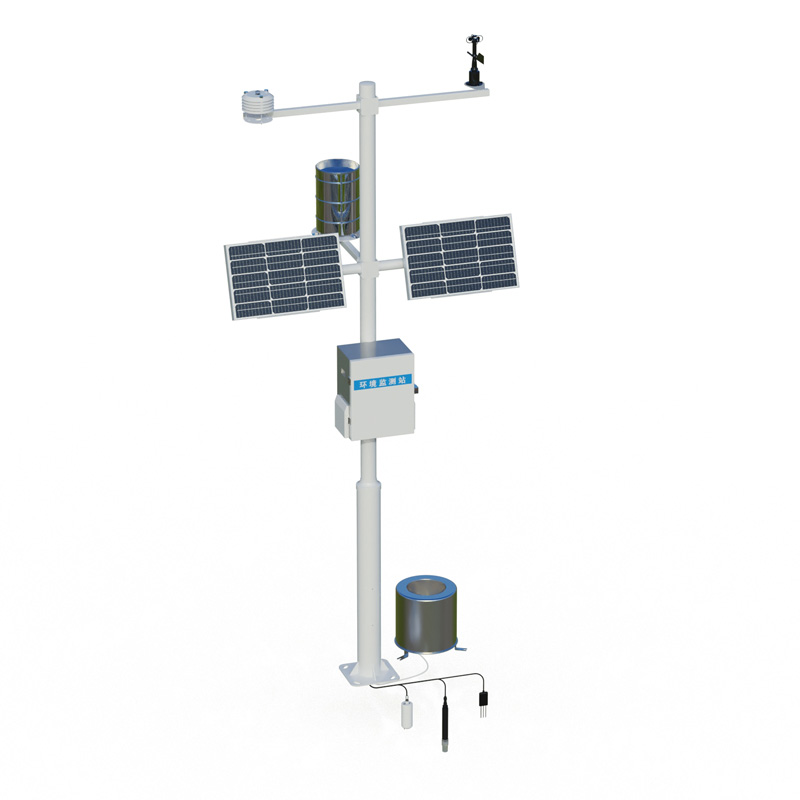
Agricultural Weather Stations accurately senses meteorological and soil data, providing intelligent early warnings to guide agricultural activities and offering scientific decision-making support for modern farming.
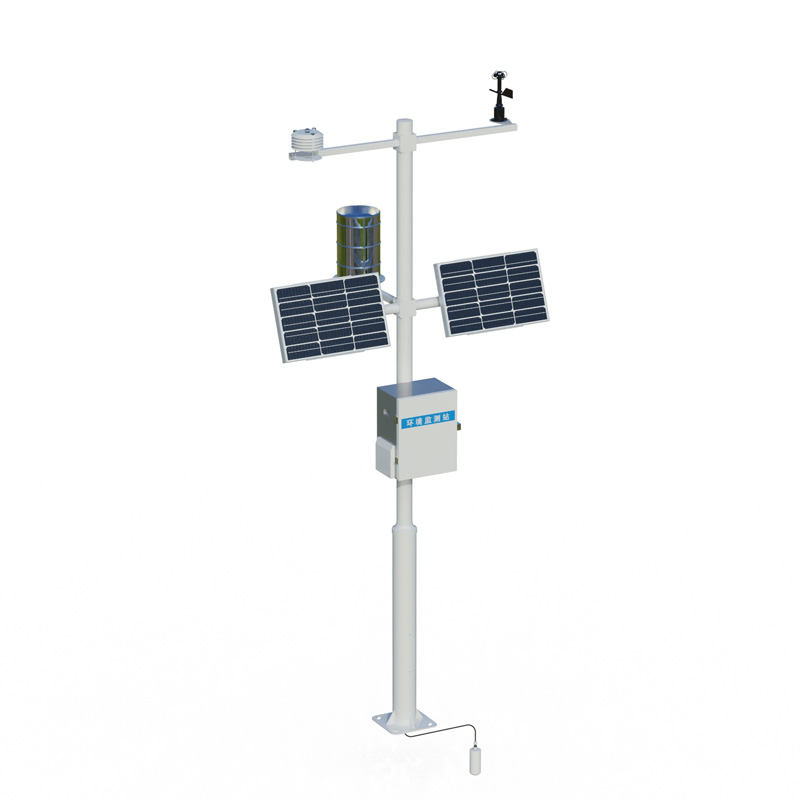
Agricultural Weather Stations is a specialized device designed to monitor field environmental conditions. This system continuously collects parameters closely related to agricultural production, such as air temperature, humidity, wind speed, wind direction, rainfall, light intensity, and soil temperature and humidity, through a sensor network deployed in farmland, providing data support for modern agricultural management.
Agricultural Weather Stations collects data through multiple sensor nodes distributed throughout the field. Temperature sensors use high-precision temperature measuring elements, covering the suitable temperature range for crop growth. Humidity sensors accurately monitor changes in air humidity, providing a basis for disease early warning. Wind speed and direction sensors record airflow movement in the field, helping to assess the degree of wind impact on crops. Soil sensors are buried in the root zone, directly monitoring the soil environment for crop growth.
This collected data is transmitted wirelessly to a data center. Specialized software integrates and analyzes the data, generating guidance information needed for various agricultural activities. The system can formulate scientific irrigation plans based on soil moisture data and weather forecasts; accurately predict crop growth and development stages by analyzing accumulated temperature data; and promptly issue severe weather warnings based on meteorological monitoring information.
In practical applications, Agricultural Weather Stations has significantly improved the precision management level of agricultural production. In irrigation, water-saving irrigation can be achieved based on real-time soil moisture data, improving water resource utilization efficiency. In pest and disease control, early warnings and guidance for prevention and control can be provided by analyzing the correlation between environmental conditions and disease occurrence. In responding to severe weather, the system's timely warnings buy valuable time for implementing protective measures.
With the development of modern agriculture, Agricultural Weather Stations's technology is also continuously upgrading. The new generation of systems is beginning to integrate more data sources, including satellite remote sensing and drone monitoring data, to build a more comprehensive agricultural environmental monitoring network. Some advanced systems already have data analysis and decision support functions, capable of providing personalized growth management suggestions for different crops.
As an important component of modern agricultural infrastructure, Agricultural Weather Stations is driving the transformation of agricultural production from experience-based management to data-driven management by providing accurate environmental monitoring data. The promotion and application of this technology is of great value for improving agricultural production efficiency, ensuring food security, and promoting sustainable agricultural development.
With the continuous advancement of transportation infrastructure construction, tunnels are playing an increasingly important role in the modern transportation network. However, the special environment inside the tunnels poses many challenges to driving safety, and the issue of visibility is particul...
Road Weather Sensors are automated ground-based meteorological observation devices. They emit electromagnetic waves in specific bands (such as laser or infrared light) or utilize optical imaging technology to detect the characteristics of atmospheric particles like precipitation, fog droplets, and d...
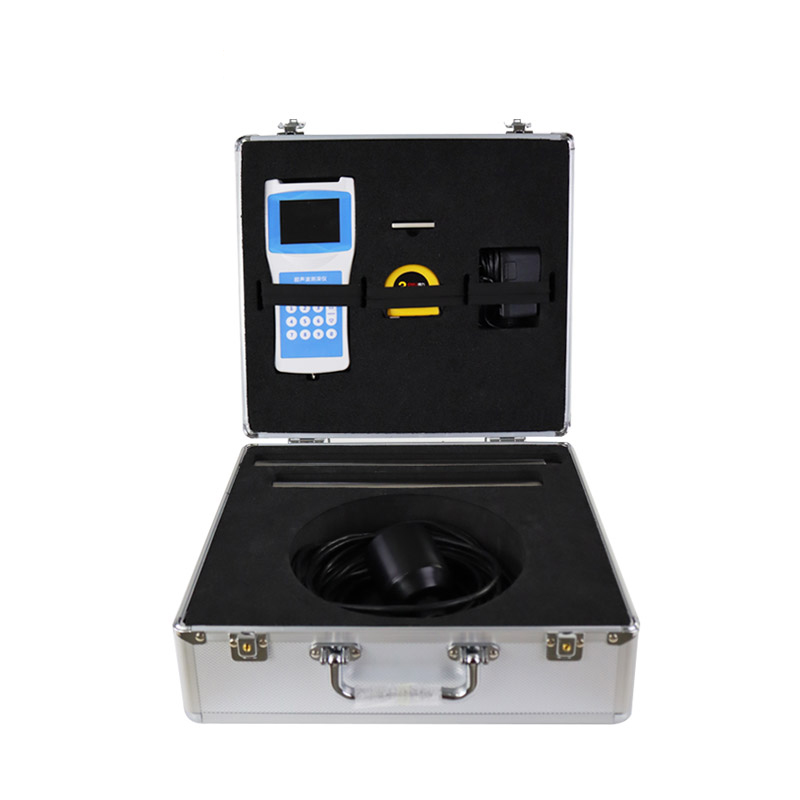
I. FT-BN10 Handheld Visibility DetectorTechnical Principle: It measures the total extinction coefficient of the air by using the forward scattering method, and thus calculates the current visibility.AdvantagesPortable and easy to use. With an integrated portable design, it is lightweight, convenient...
Road Weather Stations provide crucial basic data. They accurately monitor the temperature. When the temperature drops below 0°C, the road may freeze. This data enables the traffic management department to issue early warnings and take timely measures such as spreading salt to melt snow or closing t...


 Skype
Skype
 whatsapp
 mail
mail