Shandong Fengtu IOT Technology Co., Ltd
Sales Manager:Ms. Emily Wang
Cel,Whatsapp,Wechat:+86 15898932201
Email:info@fengtutec.com
Add:No. 155 Optoelectronic Industry Accelerator, Gaoxin District, Weifang, Shandong, China


Sales Manager:Ms. Emily Wang
Cel,Whatsapp,Wechat:+86 15898932201
Email:info@fengtutec.com
Add:No. 155 Optoelectronic Industry Accelerator, Gaoxin District, Weifang, Shandong, China
time:2025-11-24 10:23:13 source:Weather Station viewed:476 time
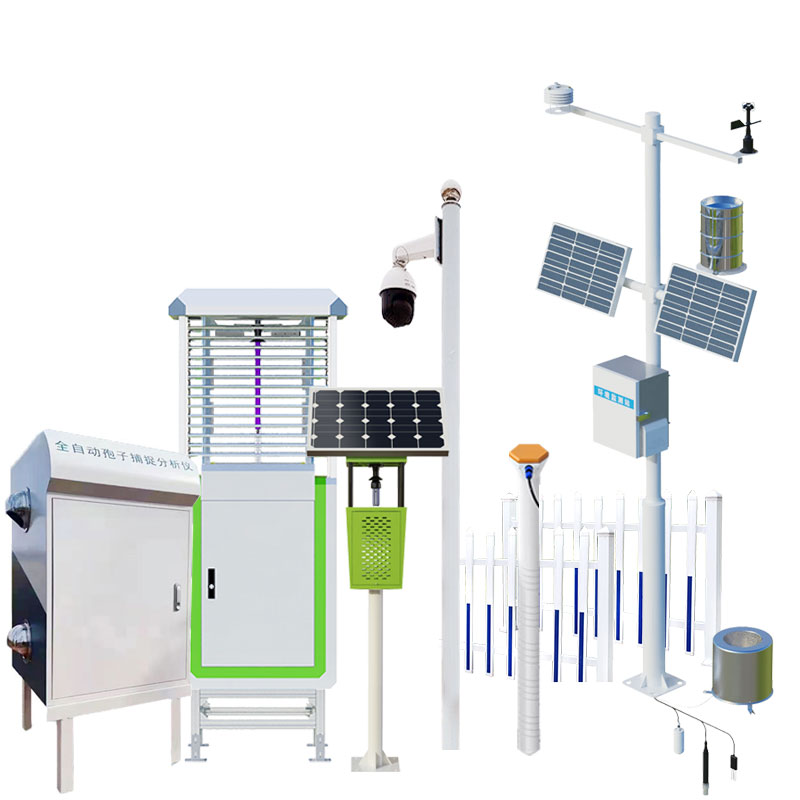
Agricultural monitoring equipment integrates multiple sensors to collect real-time data on soil moisture, crop growth, pest infestation, and disaster conditions to guide agricultural production.
Agricultural monitoring equipment is a comprehensive monitoring system integrating a sensor network, data acquisition terminals, and an intelligent analysis platform. Through various monitoring devices deployed in the field, the system continuously collects four types of data: soil moisture, crop growth, pest occurrence, and disaster characteristics, providing decision-making basis for agricultural production management. Its core value lies in combining Internet of Things technology with agricultural expertise to achieve digital management of crop growth processes.
In terms of system composition, the four-condition monitoring equipment includes four professional modules. The soil moisture monitoring module uses frequency domain reflectometry soil sensors to measure volumetric water content and temperature data at different depths, with a measurement accuracy of ±3%. The crop growth monitoring module consists of a high-definition camera and a multispectral sensor, analyzing crop growth, leaf area index, and canopy structure through timed photography and image recognition technology. The pest monitoring module utilizes trapping devices combined with image acquisition units to automatically count and identify major pest species; some models also integrate pheromone lures. The disaster monitoring module comprehensively uses meteorological sensors, visual sensors, and algorithmic models to identify disease symptoms, weed distribution, and meteorological disaster characteristics early on.
The application of this system in agricultural production is mainly reflected in three aspects. In irrigation management, the system automatically generates irrigation plans based on real-time soil moisture data and crop water requirements, improving water efficiency by approximately 25% in a wheat demonstration area in Beijing. In pest and disease control, pest monitoring data can predict occurrence trends and guide precise pesticide application; in a corn planting area in Hebei Province, the system reduced pesticide use by more than 30%. In disaster early warning, the system combines meteorological data and crop models to provide early warnings for risks such as drought and frost damage; an application case in protected agriculture in Shandong Province shows an early warning accuracy rate of 85%.
When selecting four-condition monitoring equipment, actual needs and budget should be considered. The basic configuration includes soil moisture and pest monitoring functions, suitable for field crop production; high-end models add multispectral imaging, root system monitoring, and AI diagnostic modules, suitable for research institutions and high-standard farms. During installation and deployment, monitoring points should cover different soil types and topographic features to ensure data representativeness. System maintenance includes regular sensor calibration, cleaning of equipment casings, and updating of recognition models; a comprehensive inspection is recommended quarterly. Agricultural monitoring equipment provides technical support for precision agriculture through multi-source data acquisition and intelligent analysis. This system not only helps producers optimize water and fertilizer management and reduce pesticide use, but also provides a scientific basis for disaster prevention and control. With the decrease in sensor costs and improvement in algorithm accuracy, four-parameter monitoring technology will promote the refinement and intelligent development of agricultural production management on a larger scale.
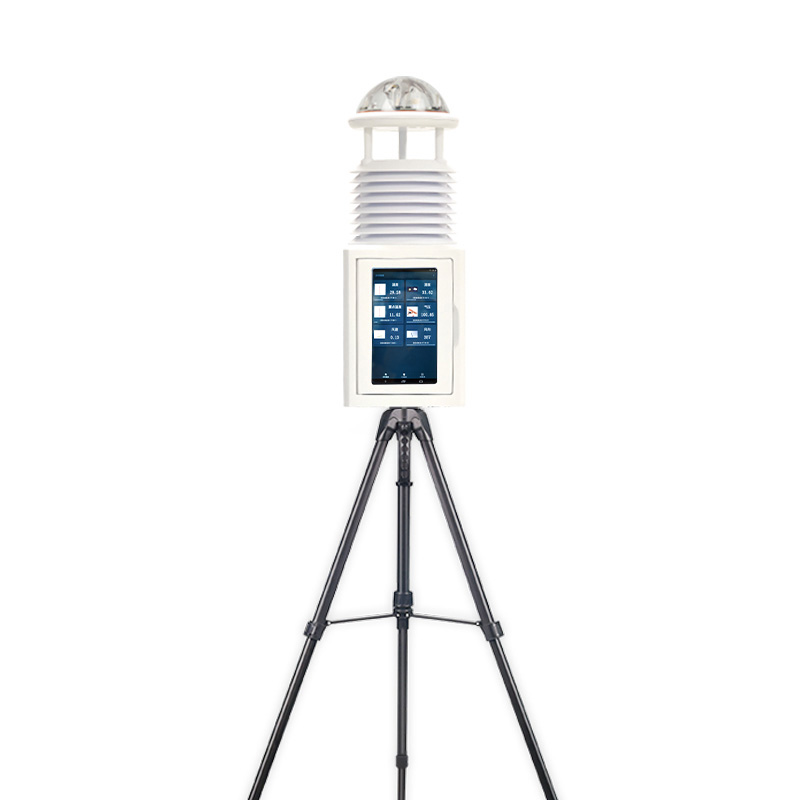
This handheld star array agricultural meteorological and environmental monitoring instrument is an integrated multi-element monitoring terminal. Equipped with industrial sensors and a modular expansion structure, it simultaneously monitors 16 environmental parameters. It can be used in agricul...
Power transmission line online monitoring system is a device specifically developed for monitoring the local meteorological environment of power transmission line corridors. Installed on power transmission towers, it monitors parameters such as wind speed, temperature, and humidity in real time, transmitting data wirelessly to support the safe operation of the power grid....
The Clairvoyance water and rain query system is based on the Internet of Things technology, and realizes the function of water resources monitoring and early warning through the processing and analysis of the data acquisition module. The system conducts comprehensive management and data analysis of...
In meteorology, the accurate measurement of rainfall is an important project. From agricultural irrigation decisions to the planning of urban drainage systems and to meteorological disaster warnings, accurate rainfall data is required. To meet this need, scientists have developed a variety of rain s...


 Skype
Skype
 whatsapp
 mail
mail