Shandong Fengtu IOT Technology Co., Ltd
Sales Manager:Ms. Emily Wang
Cel,Whatsapp,Wechat:+86 15898932201
Email:info@fengtutec.com
Add:No. 155 Optoelectronic Industry Accelerator, Gaoxin District, Weifang, Shandong, China


Sales Manager:Ms. Emily Wang
Cel,Whatsapp,Wechat:+86 15898932201
Email:info@fengtutec.com
Add:No. 155 Optoelectronic Industry Accelerator, Gaoxin District, Weifang, Shandong, China
time:2025-11-19 10:52:08 source:Weather Station viewed:513 time
scenic weather station is a monitoring facility integrating data acquisition, storage, transmission, and management. It continuously monitors air quality and temperature/humidity to ensure the environmental quality of the scenic area.
As a multi-parameter environmental monitoring platform, scenic weather station integrates monitoring functions for key indicators such as air quality, temperature, and humidity. The system continuously collects environmental data through monitoring points distributed throughout the scenic area, providing real-time data for environmental management.
In terms of system architecture, this monitoring system comprehensively covers four aspects: data acquisition, storage, transmission, and management. Front-end sensors collect various environmental parameters, built-in storage units ensure secure data storage, and remote data transmission is achieved through wireless communication methods such as GPRS and 4G. The back-end management platform is responsible for data integration, analysis, and visualization. This integrated design allows the system to independently complete the entire process from data acquisition to application.
The parameters monitored by the system mainly include major pollutants in the air quality index, as well as meteorological elements such as temperature and humidity. Through continuous monitoring of these indicators, the system can accurately reflect the changing trends of the scenic area's environmental conditions. Monitoring data is transmitted to the management center in real time via a communication network, providing timely environmental quality information to scenic area managers.
In scenic area management practice, this system plays multiple roles. Based on data obtained from continuous monitoring, scenic area managers can grasp the distribution of environmental quality in various areas, promptly identify pollution problems, and take corresponding measures. Good environmental conditions directly improve the visitor experience, contributing to increased visitor satisfaction and repeat visit rates. Simultaneously, the long-term accumulated environmental data provides a scientific basis for ecological protection work in the scenic area.
The system's automated monitoring capabilities allow it to operate continuously without human intervention. Monitoring points are typically deployed to cover key areas such as tourist gathering areas and ecologically sensitive areas, forming a complete monitoring network. Data collected from each point is integrated and analyzed on the management platform to generate environmental quality reports and trend charts, supporting management decisions.
In terms of ecological protection, the system's monitoring data helps assess the impact of tourism activities on the ecological environment. When monitoring indicators show abnormalities, the system can issue timely warnings, reminding managers to take intervention measures. This data-driven protection strategy effectively balances the relationship between tourism development and ecological protection.
With the development of Internet of Things (IoT) technology, modern scenic weather station is evolving towards a more intelligent and refined direction. The new generation system adds data analysis and early warning functions, enabling it to automatically identify abnormal environmental conditions and provide stronger technical support for scenic area environmental management. The improvement and promotion of scenic weather station is of great significance for achieving sustainable development of tourist attractions.
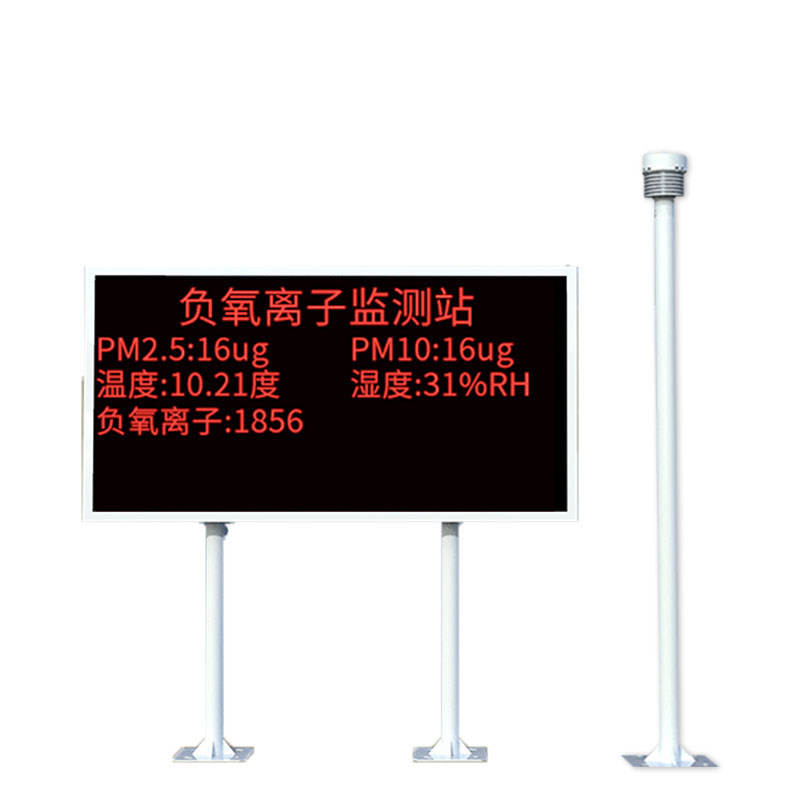
The quotations of agrometeorological stations are comprehensively affected by multiple factors such as equipment configuration and functions.In terms of equipment configuration, the configuration of meteorological sensors determines the price. If only basic temperature and humidity, wind speed and d...
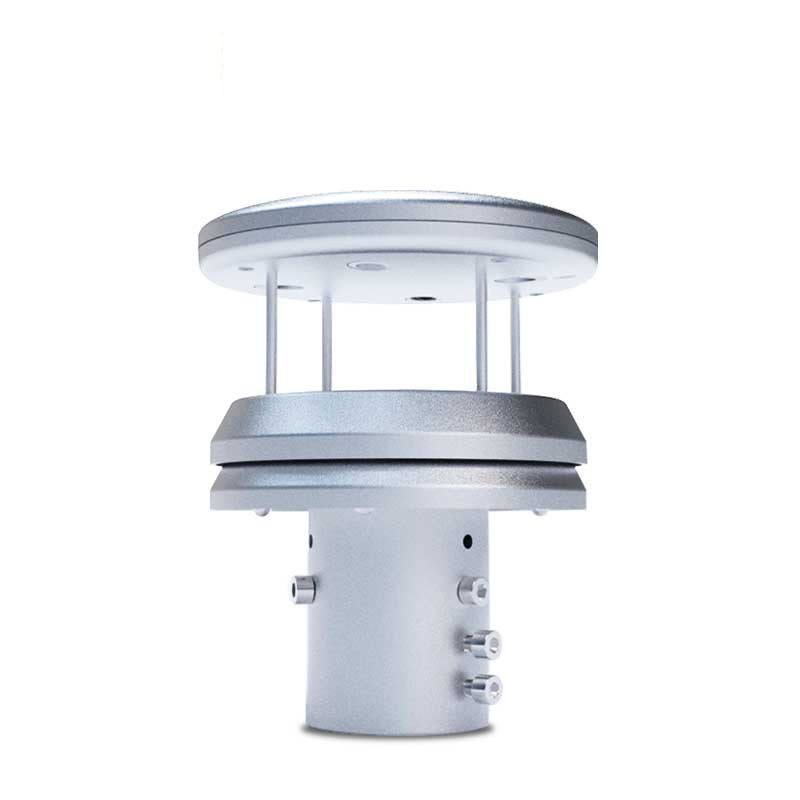
The intelligent weather station is a highly integrated, low-power, and quickly installable high-precision automatic meteorological observation device. It can monitor meteorological elements such as wind speed, wind direction, temperature, humidity, air pressure, optical rainfall, PM2.5, PM10,...
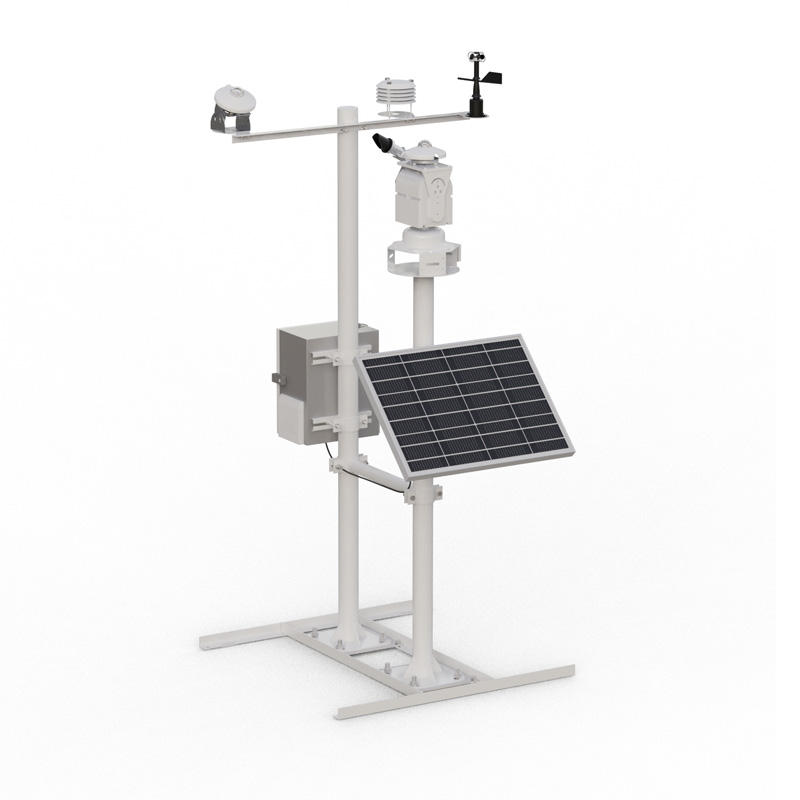
The high-altitude monitoring lamp is specifically designed for tracking high-altitude migratory pests, such as the Fall Armyworm (*Spodoptera frugiperda*). By leveraging the pests' phototactic behavior—their natural attraction to light—the device lures migratory insects flying at altitud...
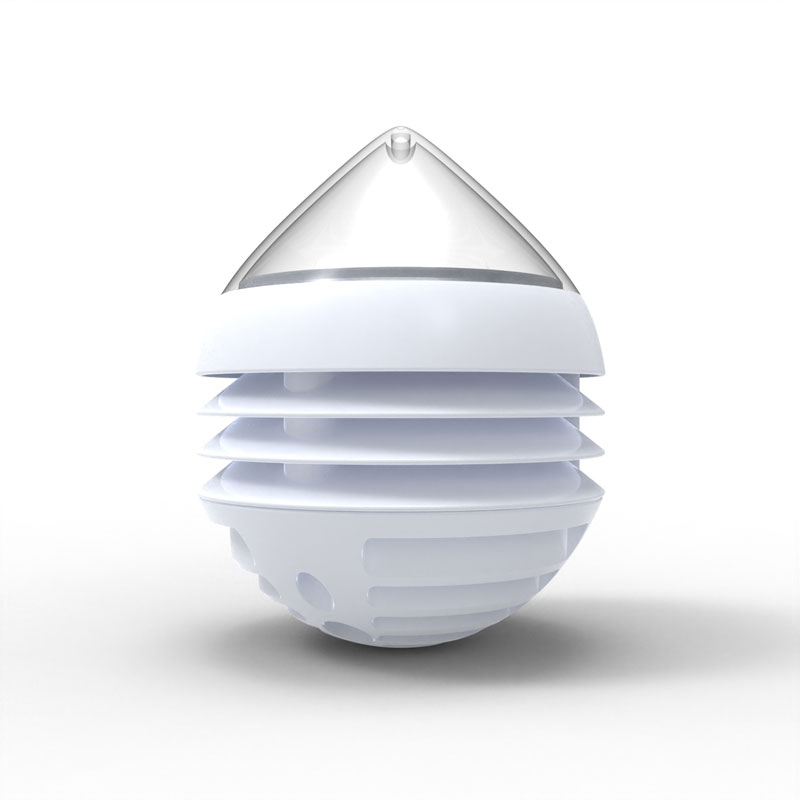
Lightning monitors are fully digital electric field detection and early warning devices based on the principle of charge induction and MEMS technology. They have no easily worn parts such as motors, resulting in small size and low power consumption. Employing an electric field differentiation...


 Skype
Skype
 whatsapp
 mail
mail