Shandong Fengtu IOT Technology Co., Ltd
Sales Manager:Ms. Emily Wang
Cel,Whatsapp,Wechat:+86 15898932201
Email:info@fengtutec.com
Add:No. 155 Optoelectronic Industry Accelerator, Gaoxin District, Weifang, Shandong, China


Sales Manager:Ms. Emily Wang
Cel,Whatsapp,Wechat:+86 15898932201
Email:info@fengtutec.com
Add:No. 155 Optoelectronic Industry Accelerator, Gaoxin District, Weifang, Shandong, China
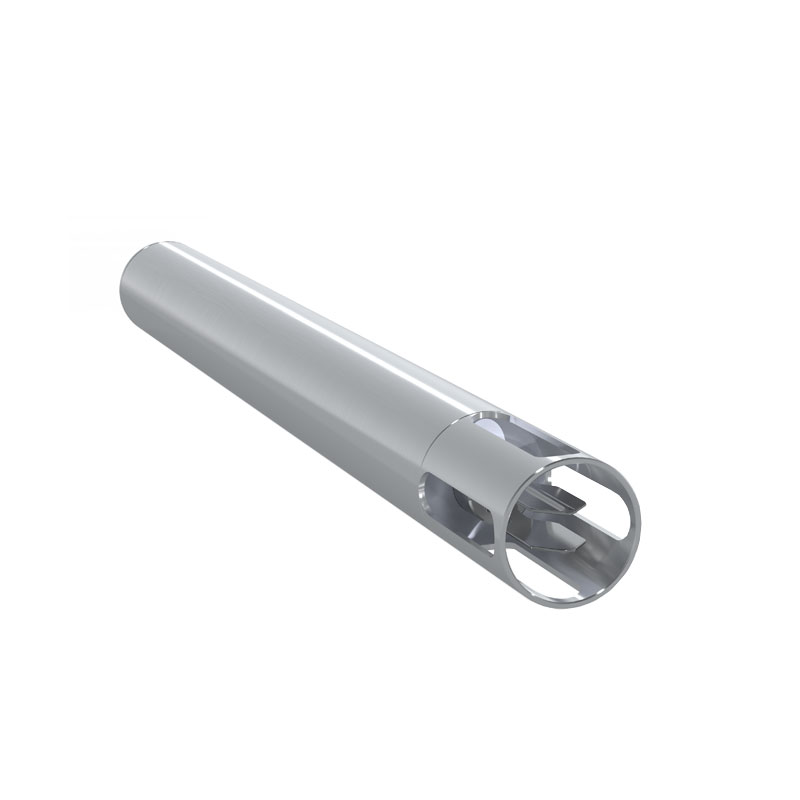
Model:V-1000
Brand:fengtu
1、Viscosity Sensor Product Introduction
Viscosity is a crucial parameter directly reflecting the properties of a fluid. Therefore, viscosity measurement is widely used in industries such as petroleum, chemical, coatings, food, and pharmaceuticals, playing a vital role in quality control during production and performance evaluation of final products.
For example, in the pharmaceutical industry, measuring liquid viscosity (dynamic viscosity) can differentiate or check the purity of certain drugs.
In oil extraction, accurate measurement and control of drilling fluid viscosity at each stage of drilling and cementing directly affects drilling efficiency and determines well quality.
In the petrochemical industry, viscosity is crucial for identifying the quality and application of various lubricating oils and determining the combustion performance of various fuel oils.
In industrial production, the viscosity of various adhesive liquids can be tested online for viscosity control systems in production processes, improving product yield and reducing economic losses.
Temperature compensation is achieved through temperature acquisition using a PT1000 temperature sensor. The temperature signal corrects the calibration curve in the MCU, improving viscosity detection accuracy.
2、Viscosity Sensor Features
Wide range of applications, suitable for fluid viscosity monitoring in various industrial settings.
Utilizes tuning fork resonance technology for high precision, long-term stability, no moving parts, maintenance-free operation, and unaffected by environmental conditions.
Features temperature compensation.
Provides 24/7 uninterrupted monitoring, promptly reflecting fluid viscosity status.
Strong compatibility, compatible with CAN-J1939 and RS485-Modbus RTU.
Suitable for monitoring under high-speed flow conditions, with stronger viscosity anti-interference capabilities than similar sensors, robust and durable.
Suitable for various application scenarios including normal temperature and high temperature.
3、Viscosity Sensor Application areas
Viscosity Sensor can be widely used in industries such as power, mining, cement, shipbuilding, military, industrial manufacturing, papermaking, petrochemicals, transportation, metallurgy, aviation, oil fields, and ports. It is an ideal choice for various coatings, adhesives of various substrates, inks, food, pharmaceuticals, chemical processing, rubber, oils, or any application requiring high precision and rapid reaction time viscosity determination.
4、Viscosity Sensor Technical parameters
Viscosity Parameters:
Viscosity: 0~50000CP
Accuracy: ±5%F.S
Temperature
Measuring Range: −40...120°C
Accuracy (at+25°C): ±0.2°C
Operating Temperature: −40...+85°C
Storage Temperature: −40...+85°C
Permissible Liquid Temperature: −40...+120°C
Outputs
Digital Signal: RS485 MODBUS-RTU (RS232 optional)
Analog Signal: 4~20mA, 0~20mA, Resistive Load <500Ω
Others
Mechanical Interface: M36*1.5
Pressure Range: Maximum 30bar
Probe Material: 316 Stainless Steel
Protection Rating: IP67
Power Supply: DC 12V−36V
Power Supply Current: <5mA + Load Current
Transmitter Weight: <400g
Total Packaging Weight: <470g
Cable Specification: M12 5 cores
Cable length 2 meters
Complies with standards CE certification EN 61326-1 EN61326-2-3 ICES-003 Class B
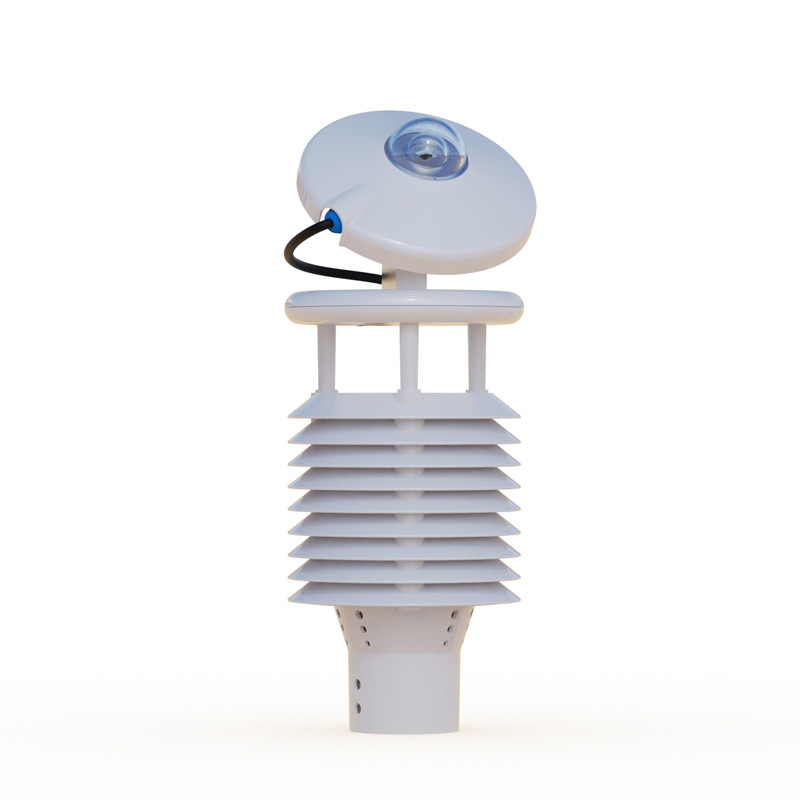
Weather stations, as the primary equipment for monitoring weather changes, play a crucial role in meteorological forecasting, environmental monitoring, agricultural production, and other fields. Among the diverse types of weather stations, the Portable Weather Station stands out with distinct featur...
This lightning monitoring and early warning system is a fully digital platform for electric field detection and warning. It utilizes MEMS charge-sensing probes and employs an optimized differential electric field algorithm to minimize false alarms caused by rain, snow, or airborne dust. Suppor...
Atmospheric visibility refers to the maximum horizontal ground distance at which a person with normal vision can clearly see the outline of a target under current weather conditions. As a crucial basis for judging atmospheric environmental conditions, it directly influences our assessments of atmosp...
In the fields of meteorological observation and environmental monitoring, visibility is a key indicator. Although traditional ground visibility monitoring stations can provide certain data, they have shortcomings such as limited monitoring range and difficulty in covering complex terrain. With the d...


 Get a Free Quote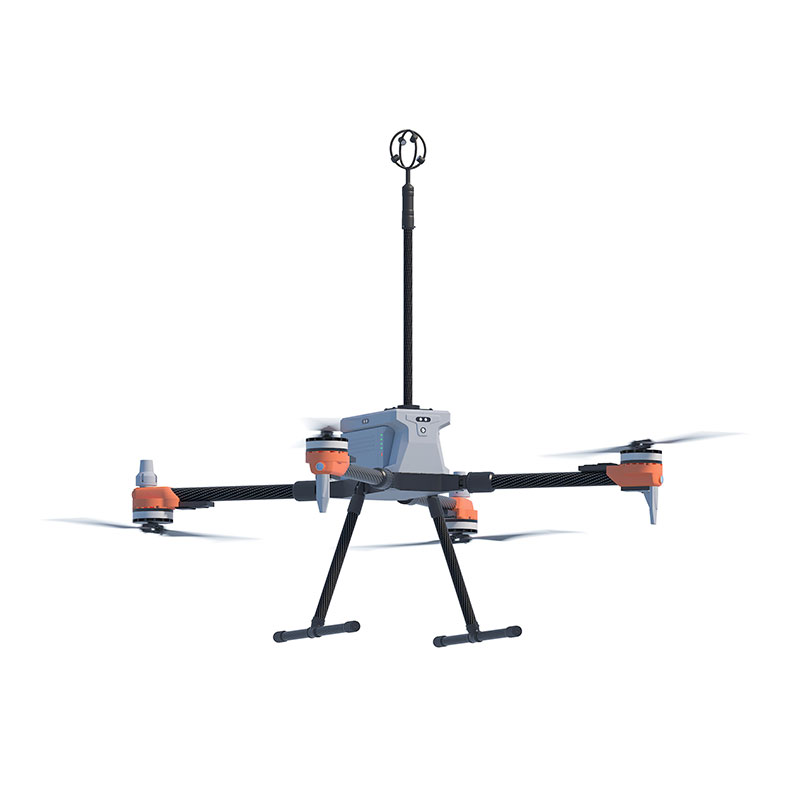
 Skype
Skype
 whatsapp
 mail
mail