Shandong Fengtu IOT Technology Co., Ltd
Sales Manager:Ms. Emily Wang
Cel,Whatsapp,Wechat:+86 15898932201
Email:info@fengtutec.com
Add:No. 155 Optoelectronic Industry Accelerator, Gaoxin District, Weifang, Shandong, China


Sales Manager:Ms. Emily Wang
Cel,Whatsapp,Wechat:+86 15898932201
Email:info@fengtutec.com
Add:No. 155 Optoelectronic Industry Accelerator, Gaoxin District, Weifang, Shandong, China
time:2026-03-27 11:28:43 source:Weather Station viewed:284 time
Electric Field Detection Sensor Measurement range: -100 kV/m to +100 kV/m; Accuracy: ±0.001% F.S.; Response time: 3 seconds. Features a 6061 aluminum alloy housing, Modbus-485 communication interface, and 12 VDC power supply. It monitors atmospheric electric field variations in real-time, triggering an alarm when thresholds are exceeded to facilitate lightning hazard prevention.
Electric Field Detection Sensor Designed for the real-time monitoring of atmospheric electric field intensity variations, this device provides a foundational data source for identifying lightning activity and implementing hazard prevention measures. The sensor features a measurement range of -100 kV/m to +100 kV/m, effectively covering the full spectrum of electric field variations—from clear-sky conditions to the development stages of thunderstorm clouds and the actual lightning discharge phases. With a measurement accuracy of ±0.001% F.S. and a response time of 3 seconds, the device is capable of capturing rapid fluctuations in electric field intensity, thereby meeting the stringent requirements for response speed and accuracy demanded by lightning monitoring applications.
The sensor housing is constructed from 6061 aluminum alloy, offering excellent weather resistance and corrosion resistance, making it ideally suited for long-term deployment in outdoor environments. Operating on a 12 VDC power supply with a low power consumption of 0.5 W, the device supports both solar and battery power modes, facilitating seamless operation in remote field locations where access to mains electricity is unavailable. Communication is established via the Modbus-485 protocol, enabling seamless integration with data loggers, PLCs, or industrial control systems for remote data transmission and comprehensive system integration.
In lightning early warning applications, once the atmospheric electric field monitor is installed at a designated monitoring site, the system continuously collects data regarding the surrounding atmospheric electric field. Should the electric field intensity exceed a pre-configured threshold, the device automatically triggers an alarm signal, alerting personnel to initiate protective measures. Common protective actions include halting outdoor high-altitude operations, powering down sensitive electronic equipment, and evacuating personnel from hazardous zones. By providing early warnings, the system secures a critical response window—ranging from several minutes to tens of minutes—prior to the onset of lightning activity, thereby significantly mitigating potential risks to human safety and minimizing damage to equipment and facilities. This sensor features a field-mill structural design; it detects electric field signals through the relative motion between a stator and a rotor. Internal circuitry amplifies and processes these signals to output standard Modbus data. During installation, it is essential to ensure the sensor is positioned horizontally and free from any tall obstructions in its vicinity, thereby guaranteeing that the measurement results accurately reflect the actual atmospheric electric field conditions. The data acquisition system allows for the configuration of various alarm thresholds, enabling users to set tiered alert levels based on the specific lightning sensitivity of the site, thereby minimizing both false alarms and missed detections.
The Electric Field Detection Sensor is primarily deployed in locations sensitive to lightning risks—such as meteorological observation stations, sites handling flammable and explosive materials, tourist attractions, open-pit mining areas, wind farms, oil pipelines, and large-scale sports stadiums. By deploying multiple units to establish a regional electric field monitoring network, it becomes possible to capture changes in spatial electric field distribution throughout the development of a thunderstorm, thereby providing a quantitative basis for imminent lightning warnings. When utilized in conjunction with meteorological radar and lightning positioning systems, the reliability of lightning warning capabilities is further enhanced.
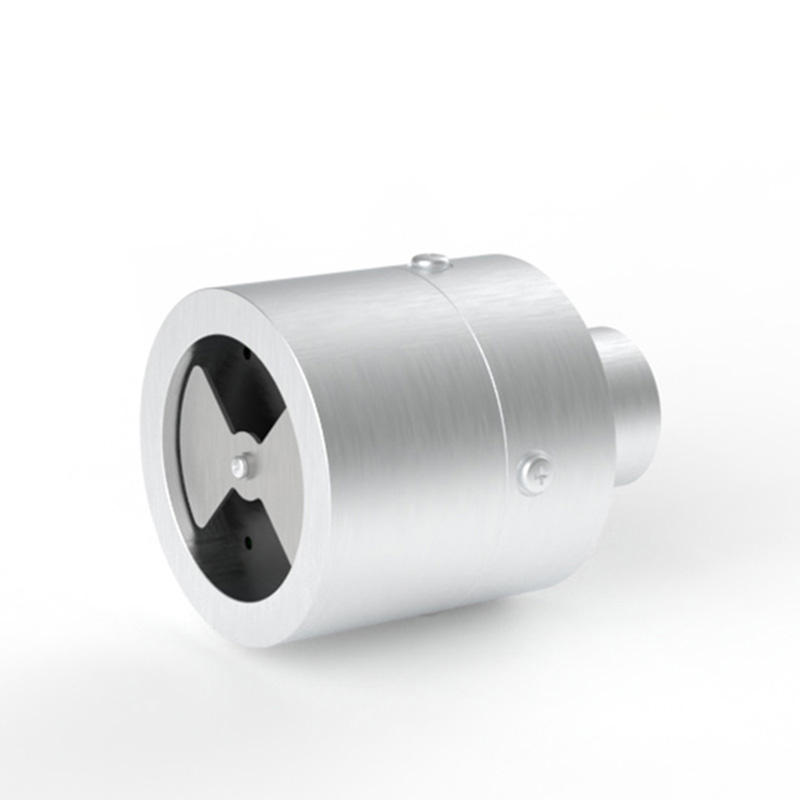
The coal mine lightning early warning system employs MEMS charge sensing technology and electric field differential optimization algorithms to monitor changes in the atmospheric electric field in real time and issue automatic warnings. This transforms traditional passive lightning protection i...
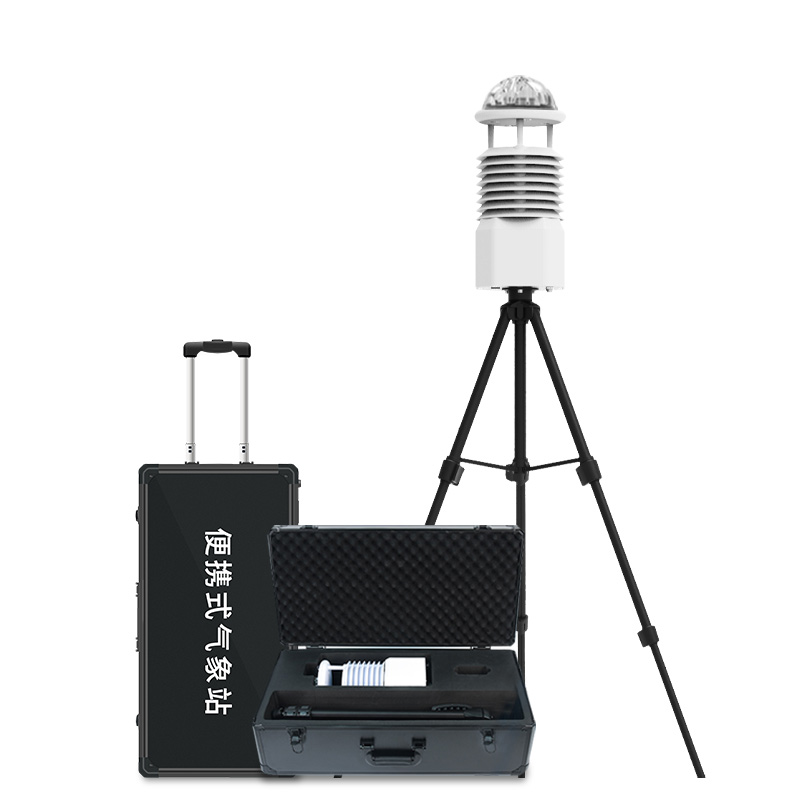
On the rooftops of distributed photovoltaic power stations and between small photovoltaic arrays, a compact and sophisticated monitoring device is often seen – this is the PV Weather Station. With its small size, flexible deployment, and precise monitoring capabilities, it provides reliable data fo...
Temperature and humidity are common terms in daily life, which can be divided into temperature and humidity. Temperature measures the degree of hotness or coldness of an object and is commonly expressed in degrees Celsius and other units. Humidity reflects the water vapor content in the air and is d...
The Beidou Weather Station is an automated device that integrates the regional short-message communication technology of the Beidou-3 Navigation Satellite System with meteorological and environmental monitoring technologies. It enables the real-time observation of various meteorological elemen...


 Skype
Skype
 whatsapp
 mail
mail