Shandong Fengtu IOT Technology Co., Ltd
Sales Manager:Ms. Emily Wang
Cel,Whatsapp,Wechat:+86 15898932201
Email:info@fengtutec.com
Add:No. 155 Optoelectronic Industry Accelerator, Gaoxin District, Weifang, Shandong, China


Sales Manager:Ms. Emily Wang
Cel,Whatsapp,Wechat:+86 15898932201
Email:info@fengtutec.com
Add:No. 155 Optoelectronic Industry Accelerator, Gaoxin District, Weifang, Shandong, China
time:2025-12-15 11:31:38 source:Weather Station viewed:582 time
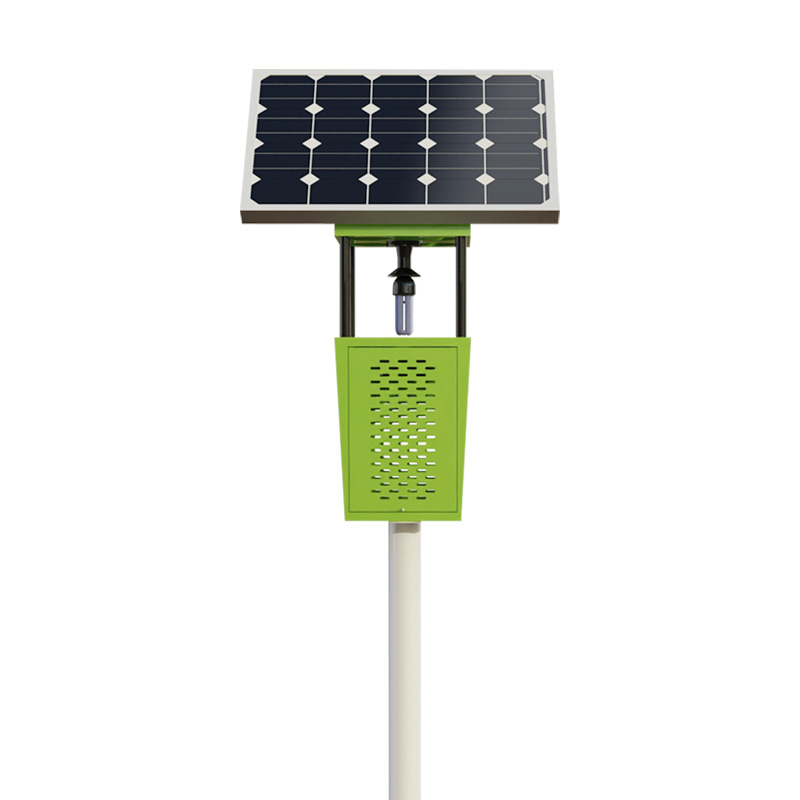
Mosquito Killing Lamp is an agricultural plant protection device that integrates physical pest trapping, intelligent pest monitoring, and remote data management. It utilizes a specific spectrum light source to attract pests, kills them with a high-voltage electric grid, and transmits pest data in real time using IoT technology, achieving precise monitoring and green control of pest populations.
The core components of Mosquito Killing Lamp include a trapping unit, a power supply unit, and an intelligent control unit. The trapping unit, based on the phototactic characteristics of pests, emits light of a specific wavelength to attract adult insects, and then kills them with a high-voltage electric grid surrounding the light source, completing the physical pest control process. The power supply unit typically uses a combination of solar photovoltaic panels and batteries to ensure long-term stable operation in fields without mains electricity. The intelligent control unit is key to the "Internet of Things" functionality; its built-in chip controls the on/off time of the lights and integrates a camera or counting sensor.
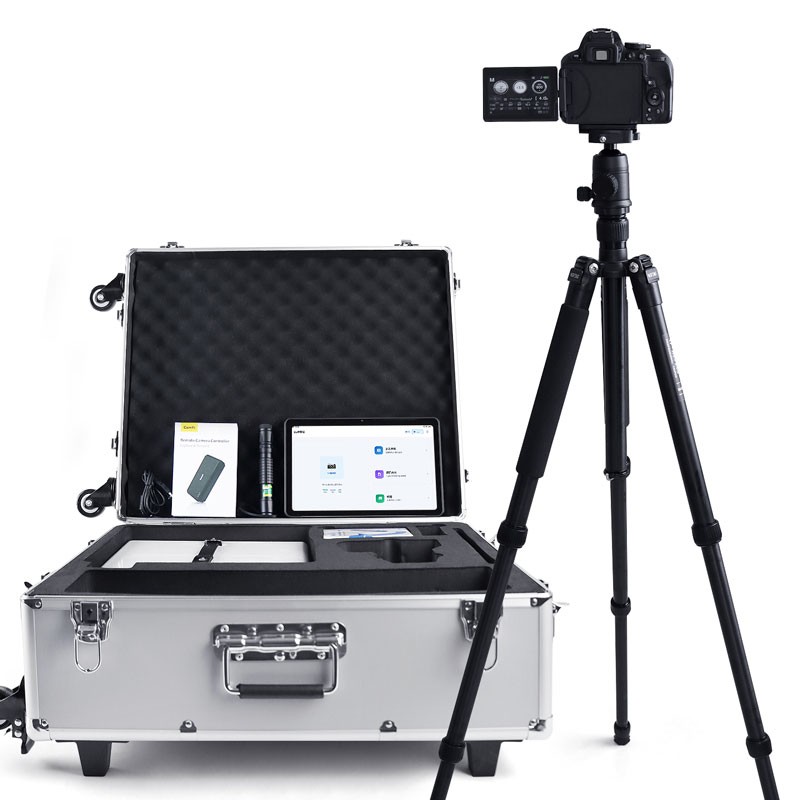
The core intelligent functions of the device are pest monitoring and remote data transmission. During the pest control process, the device can automatically count the number of pests killed or capture images of the insects using an image acquisition device. This quantitative or image data is periodically uploaded to a designated cloud platform or server via a built-in 4G or NB-IoT wireless communication module. Users can remotely view real-time pest conditions in different areas, including changes in pest numbers and species identification analysis results, via a computer or mobile client without having to visit the field.
In actual agricultural production, the value of Mosquito Killing Lamp is reflected in two aspects. First, there is direct control of pest populations. By regularly deploying the device in the field, it can continuously trap and kill adult insects of various phototactic pests, such as Lepidoptera and Coleoptera, directly reducing their mating rate and egg laying in the field, thus mitigating damage to crops. Secondly, and more importantly, is its monitoring and early warning function. After the system platform aggregates data from various monitoring points, it can generate dynamic maps of regional pest conditions, helping agricultural managers accurately understand the time, location, and severity of pest outbreaks, providing precise information for scientifically determining the timing and methods of pest control, and reducing the need for indiscriminate pesticide application.
Several points should be noted regarding the deployment and use of this device. The deployment density and location should be scientifically planned based on crop type, terrain, and the activity range of the target pests. Regular cleaning of insect residue under the electric grid and dust on the light tubes is necessary to ensure effective trapping and normal operation of the device. The monitoring data needs to be calibrated with actual field surveys and complemented by other monitoring methods. Its pest control strategy should be positioned as an important component of a "green pest control system," primarily used for monitoring and continuously suppressing pests in the early stages of infestation. For outbreaks of pests, integrated pest management is still necessary.
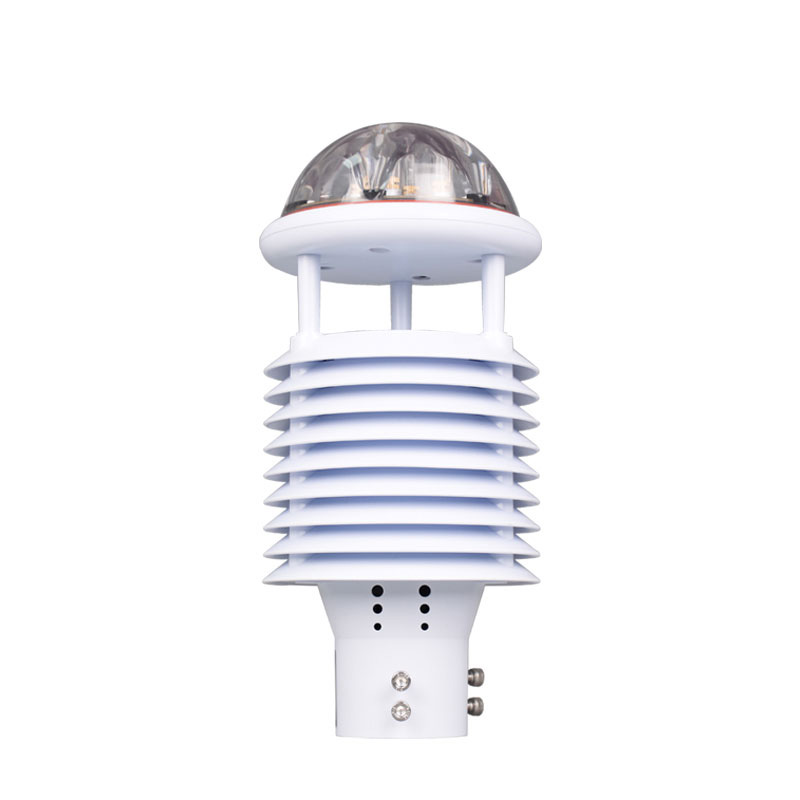
Currently, Mosquito Killing Lamp is developing towards more precise identification and more integrated functions. With the help of artificial intelligence image recognition technology, the accuracy of the system in automatically identifying pest species is continuously improving. Some high-end models also integrate microclimate monitoring functions, allowing for the simultaneous collection of environmental data to assist in analyzing the conditions under which pest infestations occur. This equipment represents the direction of modern plant protection towards intelligence and informatization, providing an effective technical tool for ensuring the quality and safety of agricultural products and the sustainability of agricultural ecosystems by reducing reliance on chemical pesticides.
Transmission Line Online Monitoring System was developed specifically to address the localized meteorological environments within transmission line corridors. Designed for installation on power transmission towers, it is capable of monitoring six key meteorological parameters in real-time: win...
This system is a fully digital electric field detection and lightning early warning platform. Its core electric field detection structure is based on the principle of charge induction and developed using MEMS (Micro-Electro-Mechanical Systems) technology. It eliminates easily worn moving mecha...
A mechanical weather station is a specialized device that integrates sensors, data acquisition modules, and communication units. It is designed to automatically collect, process, and transmit meteorological data.Hardware ComponentsMulti-parameter Meteorological SensorsThese sensors directly measure...
A Small Automatic Weather Station is an integrated and complete meteorological monitoring system. It boasts significant advantages in microclimate environment monitoring, as it can accurately capture changes in meteorological elements within specific areas and provide reliable support for meteorolog...


 Skype
Skype
 whatsapp
 mail
mail