Shandong Fengtu IOT Technology Co., Ltd
Sales Manager:Ms. Emily Wang
Cel,Whatsapp,Wechat:+86 15898932201
Email:info@fengtutec.com
Add:No. 155 Optoelectronic Industry Accelerator, Gaoxin District, Weifang, Shandong, China


Sales Manager:Ms. Emily Wang
Cel,Whatsapp,Wechat:+86 15898932201
Email:info@fengtutec.com
Add:No. 155 Optoelectronic Industry Accelerator, Gaoxin District, Weifang, Shandong, China
time:2026-03-30 11:15:30 source:Weather Station viewed:308 time
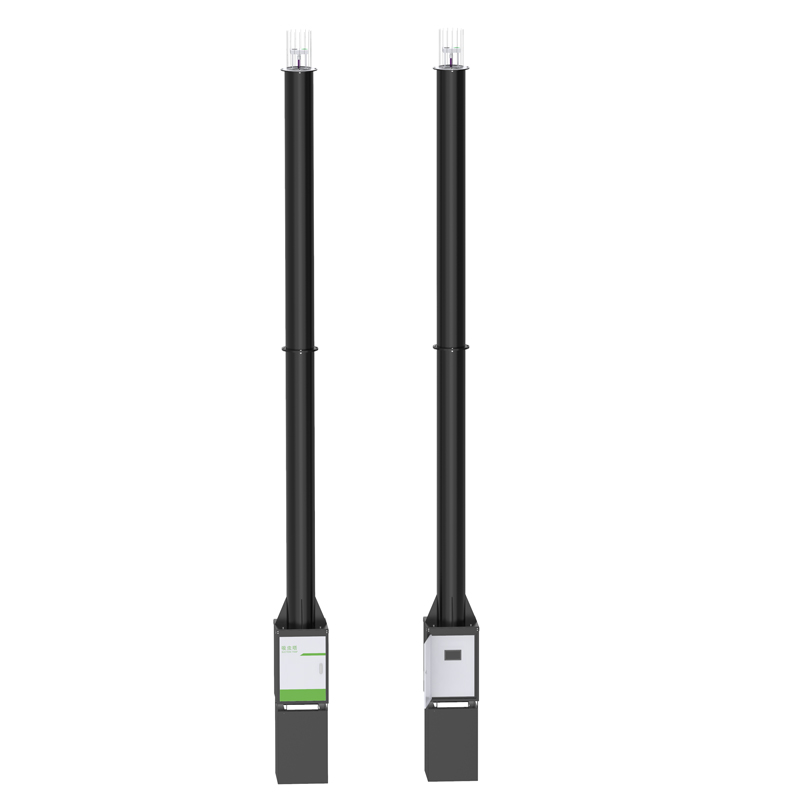
insect suction stands 8.3 meters tall and utilizes aerodynamic suction to draw small migratory insects into a collection tray. A camera captures images every 30 minutes; these images are uploaded to the cloud, where they undergo AI recognition to automatically count the insects. Users can remotely monitor insect species and quantities via a PC interface or mobile app, facilitating the monitoring of migratory pest populations.
insect suction is a large-scale plant protection device designed for the long-term monitoring of the spatiotemporal dynamics of small migratory insects. It is primarily applied in the surveillance of migratory pest populations and in ecological research. The device generates suction power via a base-mounted fan, creating a negative-pressure zone near the intake port at the tower's apex; this draws small insects—whether passing by or active in the vicinity—into the device's interior. The tower stands 8.3 meters high; its collection port is fitted with a filter screen to block large pests, as well as a protective cap designed to prevent birds from entering and to shield the interior from rainwater. Once drawn in, the insects are transported to a sample collection tray located at the base, where a built-in camera captures images at regular intervals—specifically, once every 30 minutes. The image data is transmitted wirelessly to a cloud server, where it is automatically processed using AI image recognition algorithms to identify insect species and tally their numbers. Monitoring personnel can remotely access information regarding target insect species, quantities, and dynamic population trends over time via a PC interface or mobile app, eliminating the need for on-site supervision.
Operating under unsupervised conditions, insect suction automatically executes the entire operational workflow, including insect attraction, extermination, uniform dispersal, imaging, transport, collection, and drainage. Insects drawn into the system first undergo extermination treatment; subsequently, a mechanical mechanism ensures the uniform dispersal of the insect bodies, preventing accumulation that could compromise the accuracy of image capture and recognition. Once the camera has captured the images, the data is automatically uploaded, and the insect bodies are ultimately collected into sample vials, which remain available for subsequent specimen collection and manual verification. A dedicated drainage system ensures that no water accumulates within the device during rainy weather, thereby safeguarding the proper functioning of the electrical circuitry and optical components. The entire process requires no human intervention, achieving fully automated operation from sample collection through to data upload. insect suction integrates wireless transmission and IoT technologies; while collecting pest data, it simultaneously accesses environmental meteorological data and uploads all information to a designated agricultural cloud platform. The platform analyzes and forecasts the timing of pest outbreaks, population densities, and developmental trends, thereby providing a basis for decision-making to agricultural plant protection agencies. insect suction is suitable for deployment in major grain-producing regions, cash crop cultivation areas, and critical corridors for migratory pests, fulfilling the dual requirements of pest forecasting and specimen collection. Through continuous, long-term monitoring, it generates accurate population dynamics curves for target insects, providing foundational data support for studying migration patterns, forecasting the risk of pest outbreaks, and formulating control strategies.
Beidou Meteorological Station is an automated monitoring device that integrates multiple meteorological sensors and utilizes the BeiDou satellite short message function for data transmission. It can collect environmental data such as temperature, humidity, wind speed, wind direction, air pressure, and rainfall in real time in areas without terrestrial network coverage and autonomously transmit it to the monitoring center. It is suitable for disaster early warning and meteorological observation in remote areas....
What are the negative oxygen ion monitoring equipment? What is the role? In daily life, we often hear terms such as "negative oxygen ions". So what are these? Let's find out below!...
insecticide lamp is a device that uses the phototaxis of insects to attract them and then physically captures them using a negative pressure airflow generated by a fan. It is solar-powered and features intelligent light control, making it suitable for farmland and orchards, and effectively red...
The Agricultural Environment Monitoring System system consists of five parts: weather sensors, data collector, solar power system, mounting pole, and cloud platform. It can comprehensively monitor key meteorological elements such as temperature, humidity, wind speed, and light intensity, build...


 Skype
Skype
 whatsapp
 mail
mail