Shandong Fengtu IOT Technology Co., Ltd
Sales Manager:Ms. Emily Wang
Cel,Whatsapp,Wechat:+86 15898932201
Email:info@fengtutec.com
Add:No. 155 Optoelectronic Industry Accelerator, Gaoxin District, Weifang, Shandong, China


Sales Manager:Ms. Emily Wang
Cel,Whatsapp,Wechat:+86 15898932201
Email:info@fengtutec.com
Add:No. 155 Optoelectronic Industry Accelerator, Gaoxin District, Weifang, Shandong, China
time:2026-05-21 11:28:41 source:Weather Station viewed:198 time
This crop growth monitoring equipment is an automated agricultural monitoring system. It uses a high-definition camera to collect real-time daytime and nighttime infrared images of crop growth and development. Combined with meteorological and soil moisture sensors and pest forecast lights, it provides 24/7 automatic monitoring of crop growth, pests, and crop damage. Managers can remotely monitor crop growth via computer or mobile phone and guide irrigation, fertilization, and pesticide application based on the needs of different growth stages.
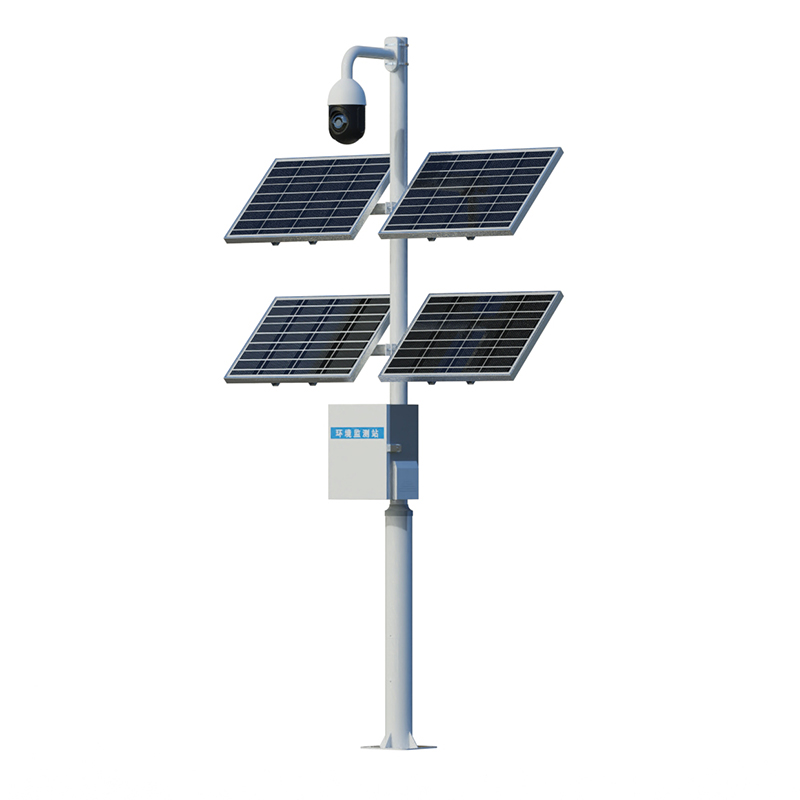
The crop growth monitoring equipment is an integrated intelligent device designed to meet the needs of crop growth monitoring in agricultural production. This equipment uses an automated monitoring system to provide real-time video monitoring of crop growth and development, pest and disease conditions, and crop damage. The monitoring content includes daytime and nighttime infrared images. The equipment adopts a pole-mounted structure, with a solar panel at the top for power supply, a high-definition camera in the middle for image acquisition, a data acquisition controller and various sensors at the bottom, and a flange at the bottom for fixing to the field ground. The equipment meets IP66 dustproof and waterproof standards, enabling it to withstand complex field environments such as high temperatures, high humidity, and dust, and operate stably within a temperature range of -30℃ to 60℃.
In terms of functionality, the crop condition monitoring equipment integrates multiple monitoring capabilities. For image monitoring, the camera has a maximum resolution of 2560×1440 pixels, supports both white light and infrared dual-lighting methods, and has an infrared lighting distance of up to 100 meters, allowing for normal acquisition of field images at night and in low light conditions. For environmental monitoring, the equipment can be equipped with meteorological and soil moisture sensors for air temperature and humidity, light intensity, wind speed and direction, rainfall, and soil temperature and humidity, achieving comprehensive perception of the crop growth environment. For pest and disease monitoring, the equipment can automatically identify abnormal features such as lesions, insect bites, yellowing leaves, and wilting through image recognition technology, and can be used in conjunction with insect monitoring lights and traps to achieve coordinated early warning. Some high-end models also integrate multispectral imaging and laser ranging technology, enabling real-time acquisition of crop growth parameters such as plant height, leaf area, and canopy structure. Combined with AI algorithms, this data is automatically analyzed to assess seedling health and nutritional status.
Regarding data transmission and management, the seedling monitoring equipment uses a 4G wireless network to upload monitoring data to a cloud platform. Managers can remotely view real-time field images, historical image records, data curves, and statistical reports via a computer browser or mobile app. The platform supports multiple accounts and devices, and features SMS alarms and threshold settings, automatically pushing warning messages when crop growth parameters exceed set ranges. Users can independently set the camera's scheduled image capture frequency based on crop variety and growth stage, or manually issue image capture commands through the platform to obtain farmland image data for specific time periods.
The seedling monitoring equipment is widely used for monitoring seedlings of grain crops such as wheat, rice, corn, and soybeans, as well as in vegetable seedling bases, tobacco seedling sheds, high-standard farmland demonstration areas, and agricultural research projects. By remotely monitoring crop growth, plant protection workers can promptly identify weak seedlings, diseased seedlings, and gaps in the rows during the production process. They can monitor crop growth without frequent field visits and make precise decisions regarding irrigation, fertilization, and pesticide application based on soil moisture and meteorological data. This equipment has been applied in several high-standard farmland projects and integrated pest management projects, becoming an important component of smart agriculture infrastructure.
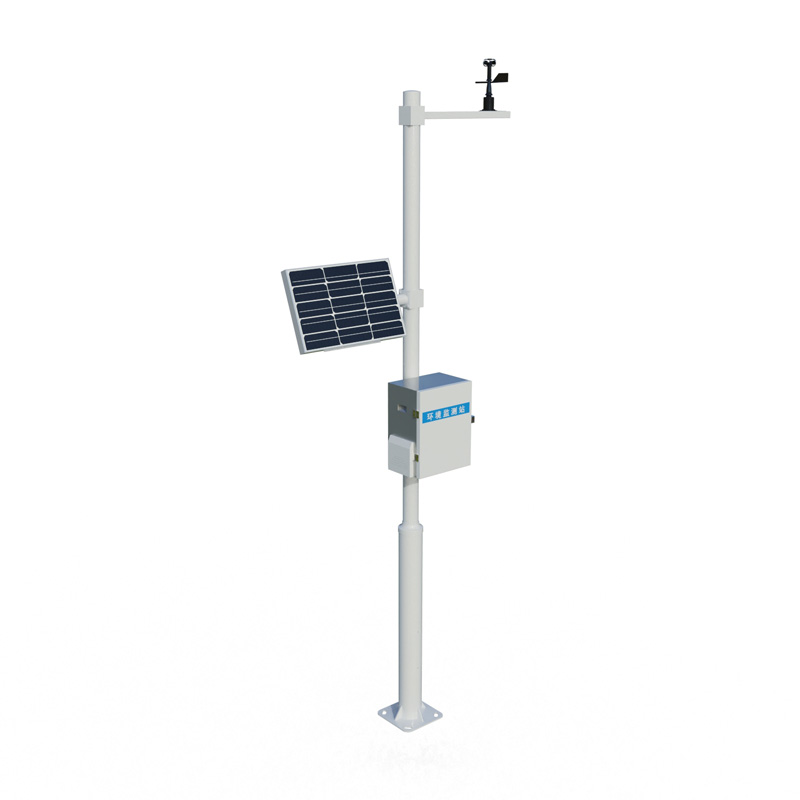
The Portable Weather Station is a high-precision comprehensive ground observation device with mobile characteristics. It is portable, quick to install, and boasts high observation accuracy, thus being widely used in the field of meteorological monitoring.This device can accurately measure multiple b...
Crop Growth Monitoring utilizes high-definition video cameras to provide real-time monitoring of crop growth and development, supporting both daytime visual imaging and nighttime infrared imaging. The device integrates meteorological sensors, soil moisture sensors, and pest forecasting lamps t...
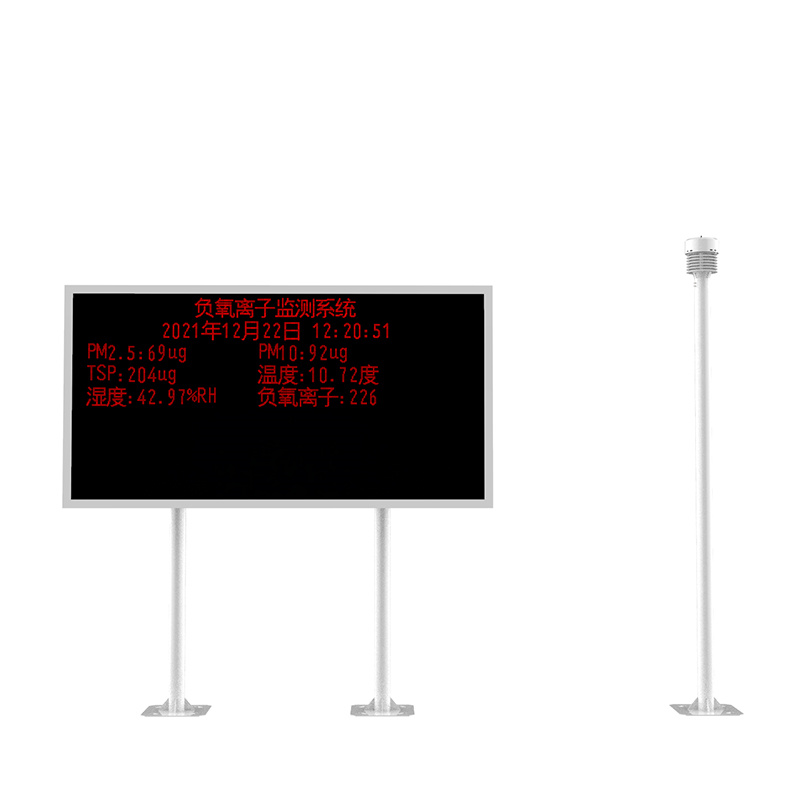
This highly integrated, low-power, and quickly installable automatic weather observation device can monitor meteorological elements such as wind speed, wind direction, temperature, humidity, air pressure, optical rainfall, PM2.5, PM10, CO, NO2, SO2, and O3 in real time. It is widely used in ag...
In traditional agriculture, farmers have long relied on the labor mode of "facing the loess and having their backs to the sky", understanding various situations in the fields through a hands-on approach. This way not only consumes a lot of physical strength and time but also has many limit...


 Skype
Skype
 whatsapp
 mail
mail